
The Ceylon Press Companion to History in Sri Lanka

A, a

Abhaya Naga, King of Anuradhapura
Illustration: A Lakshmi Plaque coin showing on the obverse the Goddess Lakshmi facing, being showered by two mini elephants atop of poles; and on the reverse: a clockwise revolving Swastika tree. The coin was in circulation in Anuradhapura from 20 BCE to 297 CE, including during the reign of Abhaya Naga, King of Anuradhapura. Image courtesy of CoinTalk.
The eleventh monarch of the Lambakanna Dynasty (1st Period) (66 CE – 436 CE), and the 56th recorded monarch in Sri Lanka in the line running from Prince Vijaya (543 BCE), with a reign of 237 – 245 CE. By any standards, Abhaya Naga appears to be the sort of king a country might best avoid. Having both cuckolded and murdered his brother Voharika Tissa, the previous king, he still managed to last for eight years before, apparently, dying a natural death – just the 26th reigning Sri Lankan monarch to have died a natural death. His gaining of the throne with the help of a mercenary Tamil army also suggests just how close the links were between the Anuradhapuran kings and the monarchs of south India – the Pallavas, Cholas, Cheras and Pandiyans

Abhaya, King of Upatissa Nuwara
Illustration: The earliest known version of the Vijayan Flag, with the Lion shown. Courtesy of Narlaka Unleashed.
The fourth monarch of the Vijayan Period (543 BCE - 66 CE), reigning from 474 – 454 BCE. Abhaya, King Panduvasdeva’s eldest son, succeeded his father on the Vijayan throne in 474 BCE. It is impossible to discern at this distance quite what passed for war and peace among his nine male siblings during his rule, but clearly there was a rising dispute that only ended (for him) when in 454 BCE he had abdicated in favour of his brother Tissa. It is unlikely that Abhaya’s ousting took the pressure off what had become an incipient civil war as Panduvasdeva’s sons continued to vie for prominence and survival. Spared his life, Abhaya retreated into a wise obscurity, sensibly declining his nephew’s later offer to retake the crown, settling instead for the far less pressured job of running the freshly minted city of Anuradhapura.

Acomodesan
Illustration: A Sketch map of Kandy and environs in1815. Public Domain.
A historical Singhala term for land that is granted to someone for the duties they render or the office they hold.

Adam
Illustration: The Angel of Revelation by William Blake.
A Buddhist country with deep Muslim and Hindu traditions, Sri Lanka could never be accused of minimising religion, so it is no surprise to learn that this was also the country to which Adam fled when exiled from the Garden of Eden. If so, he may have experienced a sharp sense of déjà vu upon arrival - for if ever there is a natural environment akin to that described in Genesis, it must surely be Sri Lanka. Archaeological or documentary corroboration of the Adam-in-Sri-Lanka myths is, at best, elusive, but it is believed that he left a footprint on the top of the sacred mountain of Sri Pada (Adam's Peak), although this is disputed by Buddhists who claim the footlike depression belongs to Lord Buddha. Hindus argue that it was left there by Hanuman or Shiva, whilst other Christians state it is actually a mark made by St Thomas. But if his eponymous mountain has become a mildly litigious landmark, Adam can also claim the remarkable Adam’s Bridge, the causeway that links Sri Lanka to the rest of the Asian landmass. His association, post-expulsion, with super large things is not surprising, given that one of Allah’s hadiths has him at 60 cubits tall – some 27 metres high.

Adam’s Peak
Illustration: A photograph by Unbekannt of Adam's Peak taken in 1926. Public Domain.
Few Sri Lankans, and fewer still visitors, have not taken the trouble to ascend Adam’s Peak, a 7,359-foot mountain in the south of the island, flanked by forest, home to elephants and leopards, glinting with rubies and sapphires, and the source of three major rivers. So it is unsurprising that no less a tourist than Alexander the Great is said to have made a journey up the sacred mountain, which carries a depression on its peak that is claimed by Buddhists, Muslims, Christians, and Hindus, as, respectively, the footprint of the Buddha, Adam, and Siva. Albeit somewhat late in the day, Ashraff, a 15th-century Persian poet, describes the royal visit, which, he says, proceeded to obligatory orgies and partying, in his poem “Zaffer Namah Skendari”. A century before, the sweetly-named Arab explorer, Ibn Batuta (“son of the duckling”) describes coming across a grotto at the foot of the mountain inscribed with the word "Iskander," an Asian variant of the name “Alexander.”
Fa Hein, a Chinese explorer, describes his trip uphill in 412 CE. and the Italian merchant Marco Polo mentions it in his Travels of 1298 CE. But long before this, many a Sri Lankan king has ascended, starting with King Valagambahu, who apparently discovered the famous footprint around 100 BCE. Despite being the country’s second-highest mountain, its unique teardrop shape sets it apart from the surrounding mountains, like a giraffe among a zebra herd; its distinctive shape is immortalised in the “Sixth Voyage of Sindbad the Sailor” in Scheherazade’s “Thousand and One Nights”. The engaging royal storyteller wrote of “marvels which are indescribable” and that “the mountain is conspicuous from a distance of three days, and it contains many rubies and other minerals, and spice trees of all sorts.”
But perhaps what makes it most remarkable is the fact that it is respected as a place of pilgrimage for all the essential religions on the island; and has been trouble-free for nearly its entire history. Three paths lead to the top – the Ratnapura route, the Kuruwita route and the Hatton route. The pilgrimage climb, regarded by all as exceptionally meritorious, takes several long hours and is usually scheduled between December and April, a reliably dry period. More reckless pilgrims visit it out of season, battling heavy rain, extreme wind, and thick mist, more in search of rescue parties than God. All pilgrims aim to reach the top just before daybreak to witness a glorious sunrise, then carry out a variety of religious rites. It is not a place for hermits: on weekends, an estimated 20,000 people make the challenging ascent, and up to five people die on the journey each season.

Adigar
Illustration courtesy of Todd White Art Photography.
A Singhala term for the chief officer in the Kandyan kingdom. The official was referred to as the first adigar or mahadigar and took precedence over all other chiefs in the kingdom.

Administrative Structures
Illustration courtesy of DigiAtlas.
A country’s structural divisions are rarely able to inspire even the merest flicker of excitement, but even so, it helps one’s basic orientation to have some semblance of order. During the time of the Anuradhapura kings, the country was divided into three areas, but over time, this was expanded to 9 provinces. The quickest way to envisage them is:
3 Gaze Seaward;
3 Gaze over Hills;
2 are Very Flat;
1 is tiny but busy.
The largest, the North Central Province, spans 10,000 square kilometres of dry evergreen forest and, though centred on the old capital of Anuradhapura, supports a modest population. At just under 10,000 square kilometres, the long Eastern seaboard province is dominated by Tamils and Sri Lankan Moors and is managed from Trincomalee. The sparsely populated Northern Province, run from Jaffna and dominated by Tamils, spans nearly 9,000 square kilometres – roughly the same size and population as Uva Province. However, Uva, centred on Badulla, with its massive lakes and reservoirs and mighty mountains, is as different to the flat, dry north as it is possible to be. At just under 8,000 square kilometres, the North Eastern Province comprises paddy- and coconut-rich flatlands that stretch from the capital, Kurunegala, to the lagoons of Puttalam, supporting a population nudging 3 million. Next door, smaller in size and larger in population, is the lush, tea-rich Central Province, centred on Kandy - similar in size and population to the long-seaboard Southern Province, centred on Galle. At just under 5,000 square kilometres, Sabaragamuwa Province is sparsely populated and centred around the gem-rich town of Ratnapura, leaving the Colombo-dominated Western Province as the smallest in size (under 4,000 square kilometres) and the largest in population. For the determinately bureaucratic, these nine administrative divisions open out onto yet more complexity – 25 districts that are split again into 331 Divisional Secretary's Divisions, under which come 14,022 Grama Niladhari Divisions, centred around villages. Order is the greatest grace, as John Dryden remarked, and it is to be found all across Sri Lanka, should you wish to see it.

Amandagamani Abhaya, King of Anuradhapura
Illustration: The Ridi Viharaya, said to have been extended by Amandagamani Abhaya, King of Anuradhapura. Image courtesy of Time Out.
The thirty-eighth monarch of the Vijayan Period (543 BCE - 66 CE), with a reign of 21 CE – 30 CE. Succeeding to the Anuradhapuran throne on the death of his brother, Mahadatika Mahanaga, King Amandagamani Abhaya’s rule ended abruptly when his brother, Kanirajanu Tissa, murdered him. This seems in retrospect to be the tipping point for the Vijayan dynasty. The regicide unleashed a murderous plenitude of competing ambitions amongst other family members and into the broader nobility around the throne. Thereafter, murdering the sitting king was something of a dynastic craze. It would take another 29 years of feuding, assassinations, and civil war for the once-great dynasty to unseat itself finally.

Amiens, Treaty of
Illustration: "The plumb-pudding in danger," by James Gillray published in 1805. The satirical cartoon has Britain's Pitt and France's Napoleon facing each other at a round dinner-table on which, in a dish, is a terrestrial globe in the form of a steaming plum-pudding. The two men are caving up the world, and in the negociations, Dutch Ceylon is surrendered to the British. Public Domain

Amulets
Image courtesy of The British Museum.
As in most nations, magic and superstition are alive and well on the island, though perhaps not quite as strong as once they were. Integral to this are amulets – those varied charms that keep misfortune at bay. All too easily, demons can manipulate weather, raise storms, direct lightning, determine droughts, or even a woman’s fertility. The amulet is often a shell or a boar’s tusk, enclosed in a case and containing a charm, engraved or written on a copper or gold plate or an ola leaf. It is worn as a bracelet, necklace, or even around the waist. The charm is weaponised by incantations. And in such a deeply Buddhist country as this, most children wear a 'Panchauda,' a gold or silver pendant decorated with the symbols associated with Lord Buddha’s life, with the charm incanted over an altar of flowers with incense burning all about. In Tamil-speaking Sri Lanka, many wear the Pottu – a red or black mark on the forehead to protect the wearer against the evil eye - a tradition that has also spread among many Buddhist families. Similarly, the malign effects of the evil eye are also dissipated by animal teeth, cobra hood rings or horseshoes above doors.
Prosperity and good fortune are more likely if you wear rings or bangles that enclose elephant hair. But best of all – for protection against all life’s travails – is the Navaratna ring, made up of 9 types of gems:
Ruby (Sun);
Pearl (Moon);
Emerald (Mercury);
Red Coral (Mars);
Yellow Sapphire (Jupiter);
Diamond (Venus);
Blue Sapphire (Saturn);
Hessonite (Rahu, the ascending lunar position in astrology);
Cat’s Eye (Ketu, the descending lunar position).
And there are also a host of other, more specific protections that can be turned to, including shark’s teeth to prevent muscular cramps when swimming, and a piece of iron in a child’s lunchbox to block evil spirits from getting at the food.

Anula, Queen of Anuradhapura
Illustration courtesy of Journo.lk.
The thirty-fourth monarch of the Vijayan Period (543 BCE - 66 CE), with her reign sometime around 44 BCE – 42 BCE. Anula, Queen of Anuradhapura, was to leave a mark on queenship that would be the office centuries to ever recover from. She began her royal career in 50 BCE by poisoning her Vijayan husband, Choura Naga, King of Anuradhapura. She was to repeat the same tried and trusted trick in 47 BCE by poisoning his successor, Kuda Thissa. Choosing at this point to rule from a distance, she appointed her lover Siva, as ex-palace guard, to be king in 47 BCE before having him poisoned.
Thereafter, the pattern was set. Siva was poisoned within a year and replaced by a new lover, Vatuka, who had been living the probably blameless life of a Tamil carpenter. The following year, the carpenter was replaced in a similar fashion by Darubhatika Tissa, a wood carrier, who also failed to measure up. Her last throw of the love dice was Niliya, a palace priest whom she installed as king in 44 BCE before feeding him something he ought not to have eaten. At this point, Anula must have reached the logical conclusion: if you want something done well, do it yourself. And so, from 43 to 42 BCE, she ruled in her own name, the country’s first female head of state, beating President Chandrika Bandaranaike Kumaratunga by well over two thousand years.
Anula’s own reign ended at the hands of her brother-in-law, Kutakanna Tissa, who, having sensibly become a Buddhist monk during Anula’s reign, remained alive and so able to rescue the monarchy. He did so by burning the queen alive in her own palace in 42 BCE, bringing down the curtains on a royal career that eclipsed that of the entire Borgia clan put together.

Asela, King of Anuradhapura
Illustration: A mezzotint of Anuradhapura. Public Domain.
The fourteenth monarch of the Vijayan Period (543 BCE - 66 CE), with a reign of 215 BCE – 205 BCE. The son of Mutasiva, the Vijayan king of Anuradhapura, Asela, took refuge in his cousin’s southern kingdom of Ruhuna when the Anuradhapuran Kingdom was overrun in 237 BCE by Sena and Guttik, a couple of opportunistic Tamil horse traders.
It took some 22 years of continual warfare before Asela was able to dislodge and kill them in 215 BCE. But his inheritance was a plundered and deeply weakened kingdom. He himself would have been worn down by decades of internecine warfare. He was to rule his newly acquired domain for just ten years, before losing both it and his own life in 205 BCE to yet another invader – this time to a prince of the Tamil Chola dynasty in Southern India – Ellalan.

Assassinations Since Independence, Notable
Illustration: Credit Sunday Times.
An under-researched but inferred tendency for political violence at the highest level runs through Sri Lankan history from its earliest times. Of the three hundred or so monarchs that ruled all or parts of the island since 543 BCE, it is estimated that around 40-50-% came to power by the simple expedient of killing their ruling brother, father, uncle, or, occasionally, aunt. Murder rates for rulers dropped significantly during the island’s period of European colonial occupation. Still, the rates were replaced instead by institutionalised violence against the native population, fortified by specifically targeted bouts of extreme repression such as those carried out by the British in 1817 and 1848.
The tendency for high-level bloodshed returned to the island following independence, primarily, but not wholly, related to the Sri Lankan Civil War of 1983 - 2009 and the two JVP uprisings against the government in 1971 and 1987 - 1989. No dependable or agreed-upon figures from any sources exist to document the casualties of these confrontations, but the highest estimates collectively get alarmingly close to 200,000 souls.
The vast majority of these deaths were of civilians. Significant numbers of killed military combatants of all sides are also substantial. Focused and targeted assassination, as a routine tool, was also in everyday use, and claimed the lives of well over a hundred MPS and ministers, local leaders, academics, journalists, civil servants, and activists. Thirteen stand out as among the most shocking.
High-Level, Assassination Attempts That Resulted in Death
1. S. W. R. D. Bandaranaike, Prime Minister of Sri Lanka. Murdered by Talduwe Somarama, a Buddhist monk on 26 September 1959, in Tintagel, in Rosmead Place, Colombo.
2. Alfred Duraiappah, Mayor of Jaffna. Murdered by LTTE leader, Prabhakaran, on 27 July 1975 in Ponnalai.
3. Vijaya Kumaratunga, Founder of the Sri Lanka Mahajana Party, and husband of President Chandrika Kumaranatunga. Allegedly shot by the JVP on 16 February 1988 in Colombo.
4. Richard Manik de Zoysa, Sri Lankan journalist, author, human rights activist. Allegedly murdered by government forces on 18 February 1990 near Moratuwa.
5. Rohana Wijeweera, Leader of the JVP. Allegedly shot by government forces on 13 November 1989 in Borella.
6. Appapillai Amirthalingam, a leading Tamil politician. Shot dead by the LTTE on 13 July 1989 in Colombo.
7. Rajiv Gandhi, ex-Prime Minister of India, was murdered by an LTTE suicide bomber in Sriperumbudur, Tamil Nadu, India, on 21 May 1991.
8. Admiral Clancy Fernando, Commander of the Sri Lanka Navy. Murdered by an LTTE suicide bomber on 16 November 1992 in Colombo.
9. Lalith Athulathmudali, a distinguished Sri Lankan politician. Allegedly murdered by government forces on 23 April 1993 in Kirulapana.
10. Ranasinghe Premadasa, President of Sri Lanka. Murdered by an LTTE suicide bomber on 1 May 1993 in Colombo.
11. Major General Janaka Perera, Chief of Staff of the Sri Lanka Army. Murdered by an LTTE suicide bomber on 6 October 2008 by a suicide bomber in Anuradhapura.
12. Lasantha Wickrematunge, Editor-in-Chief of The Sunday Leader. Allegedly murdered by government forces on January 8, 2009, in Colombo.
13. Velupillai Prabhakaran, Leader of the LTTE. Killed by forces of the 53 Division of the Sri Lankan Army on 18 May 2009 in Nanthi Lagoon.
High-Level Assassination Attempts That Failed
1. Maumoon Abdul Gayoom, President of the Maldives, survived an assault by mercenaries of the Sri Lankan People's Liberation Organisation of Tamil Eelam on 3 November 1988 in Male.
2. Chandrika Kumaratunga, President of Sri Lanka, survived an LTTE suicide bomber on 18 December 1999 at the Town Hall, Colombo.
3. Sarath Fonseka, Commander of the Army survived an LTT suicide bomber on 25 April 2006 in Colombo.
4. Gotabaya Rajapaksa, later President of Sri Lanka, survived an LTTE suicide bombing on 1 December 2006 in Kollupitiya.
5. Maithripala Sirisena, later President of Sri Lanka, survived an LTTE attack on 9 October 2008 at Piriwena Junction in Boralesgamuwa, Colombo.

Avissawella
Illustration: A sketch by Edward Lear of Avisavella in 1874. Public Domain.
Had Andy Warhol ever taken the trouble to visit Avissawella, some 50 kilometres east of Colombo, he might have rephrased his famous quip to read “In the past, everywhere was famous for at least 15 minutes.” For Avissawella, sleepy town that it is today, was once the seething capital of a nascent and short-lived kingdom, forged at the fulcrum of the island’s fightback against its first European colonial invaders. Briefly, Avissawella glittered as the capital of the Kingdom of Sitawaka, a realm ruled from 1521 to 1593 by King Mayadunne and his son Rajasinghe the First. A younger son and later brother of the more senior King of Kotte, Mayadunne, had carved out his own kingdom in protest at his family’s collaboration with the Portuguese, who had first arrived on the island in 1505.
Endless battles against the Iberian invaders followed, and when the old king died, his son continued the fight, despite an avalanche of patricide allegations that set him and the Buddhist religious establishment at odds just when unity might have been more helpful. Rajasinghe’s death - of a festering wound in March 1592 - effectively ended his kingdom’s fight, and Avissawella returned slowly to the background. The opening of the interior of Sri Lanka in the early 1900s by trains and railway tracks gave the area a new jolt of life. Today, it is best visited for being a stone’s throw from Seethawaka Botanical Garden, which specialises in conserving the most threatened endemic plants found in Sinharaja Rain Forest.

Avukana
Illustration: the Avukana Buddha statue courtesy of en.advisor.travel.
Past the occasional roadside shop, barber salon, and office for Births, Deaths, and Marriages, and almost lost in the jungle many miles north of Dambulla, the tiny village of Avukana hints at a more glorious past with its stunning 14-metre statue of Lord Buddha. Academics (as they do) argue about whether the statue is 5th or 8th century, but whoever wins that fringe debate, there is no argument about the sheer beauty of the piece. The lofty standing Buddha is captured by his unknown sculptor, making a gesture of blessing - but the way in which his delicate pleated clothing clings with astonishing realism to his body indicates that the sculptor was familiar with two key regional art movements - the naturalistic Hellenistic Gandhara school, and the more sensuous Amaravati school.
There is - in such records as do exist – a tantalising hint as to its creator. A mere 15 kilometres away, at Sasseruwa, stands an almost exact copy of this statue – nearly, but not quite as good; and one fatally left unfinished. The local villagers tell of a competition between a master sculptor and his pupil to finish the commission first, and the master won. Sadly, as the two statues are at least 400 years apart in age, this lovely tale could have only some residual truth in a parallel universe – but it amply shows how rich and ready local folk tales are to help fill in the many gaps in the island’s long and sometimes impenetrable history.

B, b

Badda
Illustration: The Hammillava Rock Inscription No 144 Inscriptions of Ceylon Vol II- S Paranavitane during the period of King Mahasen (277-304 CE). This early record ends with the sentence ‘ This is a legal enactment that has been promulgated and recorded, having been written on stone’. The line of this inscription mentions a Maha[ Ka]laka nakara [A revenue agency]. The lines regulate briefly an accounting system. Image courtsey of sirimunasiha.files.
A historical Sinhala term for tax.

Bahiya, King of Anuradhapura
Illustration of a Pandyan Kingdom coin depicting a temple between hill symbols and elephant, from Sri Lanka, 1st century CE. Public Domain.
The twenty-third (invader) monarch of the Vijayan Period (543 BCE - 66 CE), the dates of his reign being 100 BCE – 98 BCE.
One of 7 Dravidian chiefs from the Indian Pandyan Dynasty that forcibly took the Anuradhapuran Kingdom from its barely-established new ruler King Valagamba in 103 BCE, Bahiya became king of Anuradhapura by the simple expedient of murdering his Dravidian master, Pulahatta. Until then he had previously served him as chief minster. Much of his own short rule was spent dealing with threats to his own safety – from the avenging Valagamba - busy waging an ever more successful guerrilla war from the south - and from his own Dravidian colleagues, one of whom, Panya Mara, was to murder him.

Bahiya, King of Anuradhapura
Illustration. Pandyan coin with temple between hills and elephant (Sri Lanka, 1st century CE). Image courtesy of The British Museum.
The twenty-third (invader) monarch of the Vijayan Period (543 BCE - 66 CE), with a reign of 100 BCE – 98 BCE. One of 7 Dravidian chiefs from the Indian Pandyan Dynasty who forcibly took the Anuradhapura Kingdom from its barely established new ruler, King Valagamba, in 103 BCE, Bahiya became king of Anuradhapura by the simple expedient of murdering his Dravidian master, Pulahatta. Until then, he had previously served him as chief minister. Much of his own short rule was spent dealing with threats to his own safety – from the avenging Valagamba - busy waging an ever more successful guerrilla war from the south - and from his own Dravidian colleagues, one of whom, Panya Mara, was to murder him.

Balana Fort
Image courtesy of Amazing Lanka.
“Balana” was never a place name to find favour with the Portuguese settlers of Sri Lanka. Since 1505, they had been annexing large parts of the island with little difficulty - Kotte, Sitawaka and Jaffna. But Kandy was to prove the nut that broke their teeth. Repeated attempts in 1594, 1603 and 1630 proved disastrous – and all because of the Balanna Fort' lookout’ post that did more than its duty. From its tower, all Portuguese machinations could be seen – and stopped. Their last great attempt was led by the then Kandyan King, Rajasinghe II, who was in secret negotiations with the Dutch to enlist their help to evict the Portuguese. Alerted to this by their spy network, the Portuguese Captain General in Colombo, Dego de Mello Castro, frogmarched his army to Kandy, taking Balana with him, and brushed aside Rajasinghe's attempts to negotiate. He gained the city – but found it abandoned for the king and his army had melted into the surrounding hills. As the Portuguese returned to Balana on March 28, 1638, the Kandyan army struck. The Battle of Gannoruwa, as the moment came to be known, was a catastrophe for the colonial forces. Just thirty-eight soldiers survived; the heads of their slaughtered comrades were left in heaps before the king. The battle broke the Portuguese, and they soon left the island altogether. Balana carved on their heart. Today, only a few walls and steps remain.

Baldaeus’ Invasion Map
Illustration. Colombo, Sri Lanka. Awnsham & John Churchill, 1740 c. Public Domain.
Published by Awnsham & John Churchill, this 1740 map of Colombo is based on the works of Philippus Baldaeus, who intended to conquer Ceylon (Sri Lanka) in the late 1650s. Baldaeus was a Dutch minister who went to Jaffna with an invading Dutch force, where he also documented the life, language and culture of the Tamil residents. His drawings were worked up into a more detailed map by Awnsham Churchill, who had a flourishing business in bookselling, stationery, and publishing in Paternoster Row, London. He was to go on to help establish the Bank of England.

Basnayaka Nilame
Illustration of Ruhunu Kataragama Maha Devale Basnayake Nilame Pradeep Nilanga Dhala Bandara, courtesy of kataragama.org.
A Sinhala term for the most critical lay officer in a devale, a shrine of gods.

Batticaloa Fort
Image of Batticaloa Fort by Baldaeus, 1672. Public Domain.
If ever there was a fort to convert into your dream home, it is the old fort in Batticaloa, built on one of the many small islands of Batticaloa on the east coast of Sri Lanka. The fort faces Batticaloa, the Batticaloa Lagoon and the ocean, its ramparts dotted with ancient cannons still bearing the arms of the Dutch East India Company. From its walls, the keener hearing can sometimes catch the sound of singing fish from April to September. The original fort was built by the Portuguese in 1628 in a fit of pique when Constantino de Sa de Noronha took exception to a Dutch fleet that landed there in 1603, with the blessing of the King of Kandy, to try and oust the Portuguese. Sadly, the Portuguese were to enjoy the fort for just ten years./ By 1638, the Dutch had pushed them off the island, and with the not inconsiderable help of soldiers from King Rajasinghe’s army, the Dutch-Kandyan forces took the fort on 18 May 1638. The Dutch immediately set about improving its structure, with four bastions protected by the sea on two sides and a moat on the other two. However, the site itself dates back much further than the sixteenth century, with a first-century BCE stupa marking far earlier times – and the lost Kingdom of Ruhuna. Love, though, and some sympathetic builder-restorers, is what the fort most needs now. The isolating and deteriorating conditions at the fort, which had been considerably worsened during the long civil war, were further exacerbated by the 2004 tsunami.

Belgium, King of
Image: Public Domain
The Duke of Brabant, later King Leopold II of Belgium, visited Sri Lanka in 1864. For sixteen days, the man who was later to win lasting infamy for his atrocities as the private overlord of Congo, toured the island, calling in at Galle, Colombo and Kandy. He was also to inaugurate the first public train journey in Sri Lanka, from Veyangoda to Ambepussa, opening a line built to carry coffee from the hill stations to the port of Colombo. Curiously, he was not, by some measure, the first Belgian to visit the island. This singular honour was to go to a priest, Nicolao Paludano from Liège, who, from 1620, spent most of his life in pastoral work in Jaffna. An eager stream of Belgian priests and nuns was to follow in his footsteps, the tradition reaching a climax in 1862, when the new Papal Seminary in Kandy was entrusted to Belgian Jesuits. Decades later, in 1925, Leopold’s nephew King Albert I and his wife, Queen Elisabeth, were to drop by, call on the Seminary before moving on to the Royal Botanical Gardens, Peradeniya, to plant an Amherstia Nobilis, a tree better known as the Pride of Burma.
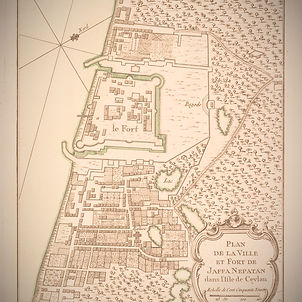
Bellin-Jaffna Map, The
Illustration. Jaffna, Sri Lanka Jacques-Nicolas Bellin, 1764. Public Domain.
Published in 1764 by Jacques-Nicolas Bellin, this remarkable map is one of the earliest and most detailed views of the city through European eyes. The Dutch fort is the most prominent structure, surrounded by neat houses and gardens. Jaffna became a Dutch administrative centre for the VOC, and the details on the map draw heavily on the maps and descriptions of the earlier traveller and minister Philip Baldaeus, who visited Jaffna and wrote a detailed account of his life and times in the mid-17th century. Jacques-Nicolas Bellin himself was one of the greatest 18th-century map makers, appointed to the French Hydrographic Office as Chief Cartographer.

Bhathika Abhaya, King of Anuradhapura
Illustration of a stone statue of King Bathikabhaya facing the Ruwanweli Dágoba in Anuradhapura. Public Domain.
The thirty-sixth monarch of the Vijayan Period (543 BCE - 66 CE), with a reign of 20 BCE – 9 CE. Succeeding to the Anuradhapuran throne on the death of his father, Kutakanna Tissa, Bhathika Abhaya’s 29-year rule goes almost unmentioned in the chronicles. Given the turmoil of the previous decades, caused by the regicide of six kings in a row, such silence was probably a blessing. Bhathika Abhaya appears to have died peacefully in 9 CE, which, when viewed from the dynasty’s later years (let alone its former ones), was an achievement to be celebrated.

Bhatika Tissa, King of Anuradhapura
Illustration of the Anuradhapura Thuparamaya Chapter House said to have been built by Bhatika Tissa, King of Anuradhapura, image courtesy of AmazingLanka.
The fifth monarch of the Lambakanna Dynasty (1st Period) (66 CE – 436 CE), and the 50th recorded monarch in Sri Lanka in the line running from Prince Vijaya (543 BCE), with a reign of 141 – 165 CE. Inheriting the throne from his father, Mahallaka Naga, little is known about Bhatika Tissa’s relatively long 24-year reign, but if, as Thomas Carlyle noted, “silence is golden,” the kingdom’s golden years continued, and the monarch, though obscure, must have a much-deserved place amongst the dynasty’s more successful rulers. His natural death earned him a spot as just the 23rd reigning Sri Lankan monarch to have died in this way – no bad feat given that he was the 50th recorded monarch in the island’s history.

Boer War
An illustration by Henry Charles Seppings Wright of the opening of the first church for British troops guarding the Boer Prisoners Camp at Diyatalawa. Public Domain

Bounty Map, The
Illustration. Chart of the Island of Ceylon with the Adjacent Coast of India. Public Domain.
Published by the British Admiralty in 1922, the Bounty Map of Ceylon and the adjacent coast of India was based on detailed surveys of the seas conducted much earlier by Peter Heywood, a veteran of the Mutiny of the Bounty. Heywood, a Royal Navy officer, was on board HMS Bounty during the infamous mutiny of 28 April 1789. He was later captured, tried and condemned to death as a mutineer, but subsequently pardoned. In 1801, he was appointed in command of the 16-gun sloop Trincomale, which allowed him to carry out several detailed surveys. He was explicitly ordered in 1802 to survey the east coast of Ceylon and, in particular, Point Pedro Shoal off the north-east part of the island.

Buddhadasa, King of Anuradhapura
Illustration Credit: Ancient palm-leaf medical manuscripts with diagrams of the kind that would be familiar to Buddhadasa, King of Anuradhapura. Picture courtesy of Sunday Observer.
The twenty-first monarch of the Lambakanna Dynasty (1st Period) (66 CE – 436 CE), and the 66th recorded monarch in Sri Lanka in the line running from Prince Vijaya (543 BCE), with a reign of 341 – 370 CE. A blessedly peaceful succession saw Buddhadasa take the throne from his father, Jettha Tissa II, and a twenty-eight-year reign beckoned. The Mahavaṃsa has nothing but praise for this king, characterised as a "Mind of Virtue and an Ocean of Gems." Unusually, though, the new king preferred medicine to war, stupas, temples, monasteries, and plotting, and his reign was noted for the exceptional medical care he extended to his subjects. He wrote a medical handbook, the "Sarartha Sangraha,” built hospitals, appointed Medical Officers, and established infirmaries and asylums for the benefit of the blind and the lame.
Stories abound of his role as a doctor to various ailing subjects he encountered. He even took care of animals, including, it is said, a snake with a stomach-ache. Perhaps his interest in medicine can also help explain the eighty sons that the Mahavaṃsa credits him with creating, each one, the chronicle approvingly states, named after a disciple of the Buddha. Two were to reign after his natural death in 370 CE. For 116 years, the Lambakarna dynasty, recovering from its earlier subversive bout of regicide, had settled down to govern well, fostering a prosperous and growing state. They had, in the words of John Lennon, given peace a chance. In the reigns that were to follow, it was, alas, soon to be time again for bloodletting.

C, c
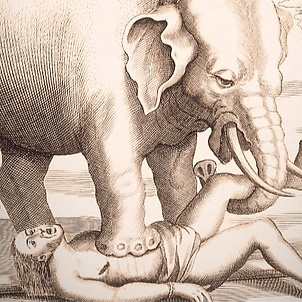
Capital Punishment
An illustration from Robert Knox's book "A Historical Relation of the Island of Ceylon" of an execution by an elephant, published in 1681. Public Domain.

Chandra Mukha Siva, King of Anuradhapura
Illustration. Ancient stone Pavilion at Anuradhapura, Ceylon 1908-1909 , Image courtesy of Lankapura.
The forty-third monarch of the Vijayan Period (543 BCE - 66 CE), with a reign of 44 CE – 52 CE. The son of the Vijayan king Ilanaga and the penultimate Vijayan king, Chandra Mukha Siva, took the throne upon his father’s death. His reign, about which almost nothing is known, is unlikely to have been much of a source of pleasure and strength to him, though, for by 52 CE he had been murdered by his own brother, Yassalalaka Thissa.

Chattagahaka Jantu, Queen of Anuradhapura
Illustration Credit: A Maneless Lion Copper coin. On one side, there is an image of a lion. On the other side, there are three or sometimes four dots. These dots likely indicate the coin's value. The diameter of this coin is between ½ and ¾ inches, and it weighs between 15 and 40 grains. These coins were used from 3-4 CE, including during the short reign of Chattagahaka Jantu, Queen of Anuradhapura. The coins have been found during excavations in Anuradhapura and the Northern regions of the island. Image credit: Central Bank of Sri Lanka.
The twenty-fifth monarch of the Lambakanna Dynasty (1st Period) (66 CE – 436 CE), and the 70th recorded monarch in Sri Lanka in the line running from Prince Vijaya (543 BCE), with a reign of 434 - 435 CE. Chattagahaka Jantu is one of the island’s more curious mysteries. Some chronicles mark her as a Queen; others as a King. A stepsister or stepbrother to King Soththisena, this gender-defying monarch was to rule for less than a year, the reign entangled in the now-lost tentacles of Lambakanna's dynastic rivalries and alliances, which were strangling both the dynasty and the country in a civil war it could ill afford. Their death in 435 CE at the hands of a chief minister intent on putting in place a more pliable monarch had regicidal palace politics once again singing a song that would challenge any modern-day soap opera scriptwriter.

Chilaw Fort
Image: Public Domain.
Just one year after they had taken control of all the Portuguese territories in Sri Lanka, the Dutch, under Governor van der Meyden, set about building a fort at Chilaw to protect the cinnamon trade. The Portuguese had already constructed one, probably on the foundations of an earlier fort made by the Kings of Kandy, which the Dutch had also adopted. Nothing of either fort remains visible today, except possibly a mildly disputed tunnel. Observers at the time were scathing in their commentary on the fort, which was built of mud walls, with a house for the commander, a powder magazine, a hospital, two churches and a collection of “low, ill-built houses.”
Lord Valetia writing in 1803 noted what was probably its most famous siege: “the Fort of Chilaw is the most trifling thing I ever beheld under that name, It consists of a ditch, in some parts three feet deep, with a rampart of earth that slopes equally both ways, and is about ten feet high on the top of which is a row of hedge stakes driven in close to each other. In front of this, on the edge of the ditch, is a range of trees with their branches placed outwards. This is a late addition; yet without this, it stood a siege against the Second Adigar and three thousand Cingalese. They carried their approaches very regularly and at length brought their batteries so near the fort that they conversed with the garrison. Mr Campbell, who commanded, though a Civil Servant, had with him but sixty Sepoys and Malays; yet the enemy, who could see everything, never attempted to storm the place. He had not shot, and only a barrel and a half of powder. He was obliged to use pice, of which he had six thousand rix-dollars in the place, and to manage his fire sparingly, as he did not know when he might be relieved. He had not a great occasion to fear in other respects, for not a man was killed on his side. His havildar told him there was no use in loading with the ball: ‘Put in powder enough,’ said he, ‘and the noise will be sufficient to keep them off. Repeated offers of reward were made to the garrison if they would give him up, but without effort. At length, Captain Blackwall with forty men came to his assistance by water from Negombo, and the Candy army retreated with the utmost expedition.”
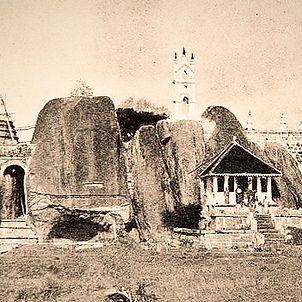
Choura Naga, King of Anuradhapura
Illustration. 1929 Print Rock Temple, Anuradhapura. Public Domain.
The twenty-eighth monarch of the Vijayan Period (543 BCE - 66 CE), with a reign of 62 BCE – 50 BCE. Inheriting the throne from his stepbrother, Mahakuli Mahatissa, Choura Naga was the son of the Vijayan King Valagamba – that luckless but plucky monarch who had been ousted by the very Dravidians he had ousted himself after years of interminable warfare. Chora Naga’s reign appears to have been a tale of woe from the start. By virtue of not being a follower of the dominant Mahavihara Buddhist sect, his popularity and support were ever in question. His most enduring (and fatal) decision, as it turned out, was his choice of wife - Anula, who had him poisoned by 50 BCE.

Chulabhaya, King of Anuradhapura
Illustration. Isurumuniya Rock Temple, Anuradhapura, Ceylon, 1900s. Public Domain.
The fortieth monarch of the Vijayan Period (543 BCE - 66 CE), with a reign of 33 CE – 35 CE. Son of the assassinated Vijayan king, Amandagamani Abhaya, Chulabhaya succeeded to the throne upon the death of his uncle, Kanirajanu Tissa, after a relatively brief 3-year reign. Short – and suspicious. Whether his predecessor died naturally or not remains one of the many Vijayan mysteries unlikely ever to be cleared up. Three years later, Chulabhaya, too, was dead (cause unknown), and his sister Sivali took the throne. Whatever it was that promoted Chulabhaya’s own departure from this good earth was clearly as strong a signal as could be made that the Vijayan dynasty was edging ever closer to the chasm and civil insurrection that would all too soon entomb them all.
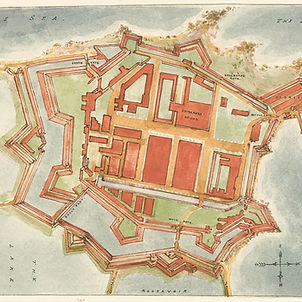
Colombo Fort
Image of the oldest known map of Colombo Fort by J. L. K. van Dort: Public Domain.
As the Metropolitan Museum of Art was being erected on one side of the world, on the other, in Sri Lanka, the British set about destroying those parts of Colombo known then, as they are still today, as Fort. This act of vandalism, conducted in the interests (as ever) of urban improvement, stripped the city of much of its most tangible history, leaving behind mere street patterns, engravings and the odd wall or building to tell of an area first developed sometime between 1505 and 1528 by the Portuguese. Sailing in, green dragons blazing on the flags of their stout galleons, the Portuguese set about building themselves a small fort on the “Hook of Colombo” (which the Dutch called Point of St. Lawrence), on the southern boundary of the harbour of Colombo. It was soon upgraded and given three bastions, with stone and mortar replacing mud walls, and was christened “Our Lady of Victories.”
A town, complete with Franciscan friars, grew around it - but by 1554, everything was once again upgraded. This time, the Portuguese moved the fort to the area now known as “Fort,” adding to it regularly so that by 1630 it boasted fourteen bastions, residences, churches, and many of the facilities of a small and busy town. When, in 1656, the fort and the island fell to the Dutch, the new colonialists proved no less enthusiastic for military improvements. The fort was restructured to better sit astride the natural defences offered by the lake and the sea, and a moat was dug on the landward side, stocked with crocodiles. It was separated from the old town or Pettah, and given nine bastions and two batteries. The fort became a walled city with storehouses, residential buildings, churches, shops, a parade ground, stables for horses and elephants and streets lined with shady trees.
When, in 1796, betrayal rather than military prowess led to the fort's fall to the British, life continued with little structural change until the 1870s, when the British began systematically destroying large sections of the fort to expand space for money-making operations. The city soon expanded beyond the boundaries of the fort - for example, into Cinnamon Gardens, a fashionable address for diplomats, bankers, administrators, and tycoons. What remained was a melting pot of cultures – Sinhalese, Parsees, Moors, Malays, Tamils, and Portuguese and Dutch who had stayed behind, or intermarried, becoming known as Burgers. It was not until the disastrous ‘Sinhala only’ policy in the late 1950s that these families finally disappeared, migrating to Australia, Canada, and the UK. An Englishman writing in 1803 noted of Colombo that: “there is no part in the world where so many languages are spoken, or which contains such a mixture of nations, manners, and religions.” Hints of the old fort can still be glimpsed in several places:
1. Kayman’s Gate Bell Tower – an entrance to the Fort located at the foot of the Wolvendaal Hill in Pettah.
2. Delf Gateway – one of the main entrances to the Colombo fort, now part of the premises of the Commercial Bank.
3. Fortified Dutch Warehouse – now the Maritime Museum of Colombo Ports Authority, built in 1676.
4. The Battenburg battery – a 50 metre sliver of wall inside the Harbour.
5. The Enkhuysen bastion / Dan Briel bastion Wall – a section of wall now located beside the Junior Police Officers' Mess.
6. Dan Briel Bastian – built in 1751 and now inside the Navy Headquarters.
7. The Slave Entrance - now found within the Navy Headquarters, this entrance was built in 1676 to access the land between the sea and the fort where the Dutch kept their ill-starred Kaffir slaves.

Commandement
Illustration. The VOC Coat of Arms. Public Domain.
A historical term for an administrative division under Dutch rule; sometimes known as a commandery.

Cula Naga, King of Anuradhapura
Illustration Credit: The tusker and swastika is a small Copper coin. On one side of the coin, there is an image of a walking tusker, a stupa drawn using three half-moons, a swastika and a Bo tree with three branches inscribed in a square. On the flipside, there is a swastika, a trident, and a stupa. The coin would have been in circulation through the early Anuradhapura era, including during the reign of Cula Naga, King of Anuradhapura. Photo credit: The Central Bank of Sri Lanka.
The seventh monarch of the Lambakanna Dynasty (1st Period) (66 CE – 436 CE), and the 52nd recorded monarch in Sri Lanka in the line running from Prince Vijaya; his reign dates to 193 – 195 CE. The son of King Kanittha Tissa, Cula Naga was to enjoy his throne for a mere two years before being assassinated by his brother, Kuda Naga - the 27th reigning Sri Lankan monarch to have been so murdered. This single act of regicide would have far-reaching consequences, ushering in a period of precarious government that lasted 59 years, until 254 CE.

D, d

Dakapathi
Illustration. Ranmasu Uyana; The Garden of Golden Fish. Public Domain.
A historical Sinhala term for the levy paid on water to the king or to other offices or people who owned the water.

Darubhatika Tissa, King of Anuradhapura
Illustration. Ruwarveli Dagaba, Anuradhapura. Public Domain.
The thirty-second (interloper) monarch of the Vijayan Period (543 BCE - 66 CE), with his reign sometime around 47 to 44 BCE. A forester or wood carrier, by some accounts, Darubhatika Tissa was placed on the throne of Anuradhapura in 47 BCE by his terrifying lover, the widowed Vijayan Queen, Anula. Anula had come into her inheritance by murdering four earlier monarchs: her husband Choura Naga, the twenty-eighth King of Anuradhapura; his successor, Choura Naga, the twenty-ninth monarch; and her last two lovers, Siva I, the thirtieth monarch, and Vatuka, the thirty-first monarch. Within a year, Anula had Darubhatika Tissa poisoned, too.

Dathika, King of Anuradhapura
Illustration. An ancient Pandyan flag. Public Domain.
The twenty-sixth (invader) monarch of the Vijayan Period (543 BCE - 66 CE), with a reign of 90 BCE – 89 BCE. One of 7 Dravidian chiefs from the Indian Pandyan Dynasty who forcibly took the Anuradhapura Kingdom from its barely established new ruler, King Valagamba, in 103 BCE, Dathika became king of Anuradhapura in 90 BCE. He likely achieved this by the simple expedient of murdering his Dravidian master, Pilaya Mara, whom he had previously served as chief minister. However, some stories credit Valagamba’s military campaign for his death. Much of Dathika’s own short rule was spent in an ultimately vain attempt to protect his crown from the avenging ex-king, Valagamba, who was busy waging an ever more successful guerrilla war from the south. This was to culminate in Dathika’s own death on the battlefield.

Dathiya, King of Anuradhapura
Illustration Credit: Pandyian fish relief courtsey of Quora.
The 5th of the Six Dravidian invaders of the Pandiyan Dynasty of South India, and the 76th recorded monarch in Sri Lanka in the line running from Prince Vijaya (543 BCE). Dathiya’s relationship to the previous king, Tiritara, is unknown. Still, his reign (447 – 450 CE) would have been troublesome and turbulent, extending over an ever-shrinking area as the Sri Lankan Moriyan rebel leader, Dhatusena, gained a foothold in Pandiyan-held territory. Dathiya was to die in battle against Dhatusena, the 10th reigning Sri Lankan monarch known to have been killed in this way.

Devanampiya Tissa, King of Anuradhapura
Illustration. The Devanampiyatissa Statue (Mihintale). Public Domain.
The ninth monarch of the Vijayan Period (543 BCE - 66 CE), with a reign of 307 BCE – 267 BCE. It was fortunate that when Sri Lanka’s defining moment occurred, it had a king talented enough to make the most of it. Devanampiya Tissa, the second son of the Vijayan King Mutasiva, is described by The Mahāvaṃsa as "foremost among all his brothers in virtue and intelligence". To get anywhere close to this remarkable leader, head to the mountain of Mihintale, 16 kilometres east of Anuradhapura. There stands a modest, much-weathered, armless stone statue of Devanampiya Tissa. Six feet high, he stands, gazing out across the grand ruins and remains of his religious citadel. It marks the spot where Sri Lanka became Buddhist. Gaze into his eyes – and note that, unlike so much other statutory and art, this one, argue the scholars, actually dates from very close to the death of this outstanding monarch.
Like the Vijayans, Buddhism also came from India - but it naturalised so completely across the island that it is impossible to grasp any aspect of the country’s past or present, without first comprehending the centrality of this, its main religion. It arrived through a series of intimate stories in which faith follows friendship – for King Devanampiya Tissa had struck up a pen-pal relationship with the celebrated Indian Buddhist emperor, Ashoka. Gifts followed letters, and a missionary followed the gifts when Ashoka dispatched his own son, Mahinda, to Sri Lanka. The young missionary prince was to live on the island for 48 years, outliving Devanampiya Tissa, and dying, aged 80, after a lifetime spent promoting Buddhism, the beneficiary of a state funeral at which his relics were interred in a stupa in Mihintale. For it was at Mihintale that Mahinda first met Devanampiya Tissa.
The king, it was said, was out hunting. Expecting a stag, the ruler instead found himself a missionary. A testing exchange on the nature of things followed, and then a sutra was preached. The rest, as they say, is history. The conversions began, and the country’s history took the most definitive turn in its long journey, becoming - and remaining to this day - a Buddhist country first and foremost, with all that this entailed. So great was the number of conversions that the king especially built the Maha Vihare (The Great Monastery) in the pleasure gardens of Anuradhapura to house the growing number of Buddhist monks; and for centuries after, the building became the centre of Theravada Buddhism in Sri Lanka. The evidence for all this, of course, comes from the Mahāvaṃsa Chronicle, but Buddhism likely penetrated the island much earlier. Even so, it took the backing of a king to ensure that the religion became so dominant so fast. And as it did so, it carried along some of the many rituals and ceremonies of the pre-Buddhist cults, especially those associated with agriculture and demons. It also helped spread a common language and script, and with it, the power of the centre, for the king was also the formal guardian of the Sanga, the religious organisation.
Clearly, Mahinda, the young missionary, had painted a compelling picture of his new island home in his letters home. He was soon joined by his sister, the nun, Sanghamittā. She brought with her a golden vase in which grew a sapling of the Bodhi Tree, taken from the very one under which Buddha himself is said to have attained enlightenment. Accompanied by several other nuns, Sanghamittā landed in the north of the island. King Devanampiya Tissa himself met her. The party were ceremonially escorted to Anuradhapura along a road softened with white sand. The Bodhi sapling was planted in the Mahāmeghavana Grove in Anuradhapura, where it still grows. Saṅghamittā later ordained Queen Anula and the women of the court in Buddhism and stayed on the island, promoting the religion. She died in 203 BCE, aged 79, her death prompting national mourning. A stupa was erected over her cremation site in front of the Bodhi Tree in Anuradhapura. Devanampiya Tissa built a monastery and temple caves at Mihintale, a site that over successive years grew and grew.
Indeed, temple caves rapidly became the architectural hit of the time, with ordinary people funding a stone mason to do all the necessary work. Between the 3rd century BCE and the 1st century CE, nearly 3,000 such caves were recorded. Other notable buildings followed: monasteries, palaces, the 550-acre Tissa Wewa water tank, still in use today, and the Thuparamaya of Anuradhapura, the country’s first stupa, which enshrined the right collarbone of Lord Buddha and whose remains today stretch over 3 ½ acres. Devanampiya Tissa’s death after a long reign brought to a gradual end a golden period of Vijayan peace and prosperity.

Disavanti
Illustration. The Kandy Disavanies. Public Domain.
A Sinhala term for the provinces of the old Kandyan kingdom, governed by a Disave.

Disave
Illustration of A Kandyan Dissava and Priest of Boodhoo, John Davy (1821). Public Domain.
A Sinhala term for the governor of a province belonging to the old Kandyan kingdom. The Dutch adopted the term for their maritime provinces, and it later came to be used within the British administrative hierarchy for native officials.

Dravidians, The Six
Illustration. A Pandyan coin from northern Sri Lanka. Public Domain.
In 436 CE, the Anuradhapura Kingdom was invaded and conquered by six Dravidian chiefs. It was the fourth such invasion from its mighty northern neighbour that Sri Lanka had experienced, and it was not to be the last. These particular chiefs originated from within the Pandyan dynasty, centred around Madurai - one of the four great families that were to vie with one another for centuries over control of Southern India – the other three being the Pallavas, the Cholas and the Cheras. Little is known about the cadet branch that invaded Sri Lanka – whether they were all related, or whether they acted in unison or in relay. It is thought they were Buddhist rather than Hindu, and the few ancient sources that mention them note their generous donations to Buddhist establishments. Even so, they amply demonstrated their divergence from those Buddhist teachings that strongly opposed the use of violence, thereby showing that they were not above its expedient application to win a kingdom for themselves.
They were to rule the Anuradhapura Kingdom for sixteen turbulent years. Two were to die apparently natural deaths; a rival murdered one, and the last three were all killed in battle or skirmishes with Dhatusena, the leader of the gathering Sri Lankan resistance and a member of the emergent Moriyan dynasty. The order of these invader kings is as follows:
1. Pandu. The first of the Six Dravidian invaders of the Pandiyan Dynasty of South India, and the 72nd recorded monarch in Sri Lanka in the line running from Prince Vijaya (543 BCE); the dates of his five-year reign being 436 – 441 CE.
2. Parindu, the son of King Pandu; the 2nd of the Six Dravidian invaders of the Pandiyan Dynasty of South India and the 73rd recorded monarch in Sri Lanka in the line running from Prince Vijaya (543 BCE). He ruled for less than a year in 441 CE, being killed by his brother and successor. His assassination trod a familiar path amidst Anuradhapuran kingship, Sri Lankan or otherwise, for he is the 35th reigning Sri Lankan monarch known to have been murdered for the succession.
3. Khudda Parinda. The Brother of King Parindu and son of King Pandu; the 3rd of the six Dravidian invaders of the Pandiyan Dynasty of South India; and the 74th recorded monarch in Sri Lanka in the line running from Prince Vijaya (543 BCE). He is presumed to have died a natural death following an (albeit suspiciously short) six-year reign (441 – 447 CE).
4. Tiritara, the 4th of the Six Dravidian invaders of the Pandiyan Dynasty of South India and the 75th recorded monarch in Sri Lanka in the line running from Prince Vijaya (543 BCE). His relationship with the previous kings, Pandu, Parindu and Khudda Parinda, remains opaque, but not so the length of his reign, which lasted under a year (447 CE). He was to die in battle against the future Sri Lankan rebel king, Dhatusena.
5. Dathiya, the 5th of the Six Dravidian invaders of the Pandiyan Dynasty of South India, and the 76th recorded monarch in Sri Lanka in the line running from Prince Vijaya (543 BCE). Like his predecessor, Dathiya, his kinship with the other Dravidian chiefs is unknown. His reign lasted just three years (447 – 450 CE), ending with his defeat and death at the hands of Dhatusena.
6. Pithiya, the last of the Six Dravidian invaders of the Pandiyan Dynasty of South India, and the 77th recorded monarch in Sri Lanka in the line running from Prince Vijaya (543 BCE). As with his two immediate predecessors, Pithiya’s reign ended with his defeat and death at the hands of Dhatusena. His reign had lasted barely two years (450 – 452 CE). With his death, the country plunged into deeper anarchy until eventually Dhatusena quelled all other opposition and was crowned King of Anuradhapura himself.

Durbar, Kandy
Illustration by Henry Payne of The Duke of York and Cornwall at the Durbar in Kandy in 1901. Public Domain.
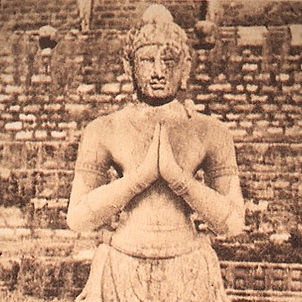
Dutugemunu, King of Anuradhapura
Illustration. Stone figure of King Dutugemunu. Public Domain.
The sixteenth monarch of the Vijayan Period (543 BCE - 66 CE), with a reign of 161 BCE – 137 BCE. The son of King Kavantissa of Ruhuna, a southern kingdom established earlier by a cadet branch of the Vijayan kings of Anuradhapura, Dutugemunu benefited from his father’s lasting achievement in strengthening and enlarging Ruhuna. This he did not just to defend himself against the Ellalan, the Chola Tamil conqueror of Anuradhapura, but also to see off the many more modest challenges that came his way from the many other fiefdoms that bordered his lands.
King Kavantissa bequeathed to his son Dutugemunu a battle-ready country. Still, Dutugemunu was unable to focus its powers beyond its existing borders until he had seen off a challenge to his own inheritance from his younger brother, Tissa. Living up to his various nicknames (rowdy, fearless, disobedient), Dutugemunu eventually defeated his brother, but rather than putting him to death, the traditional punishment for such temerity, he promoted him to be one of his own generals. With an army of chariots, monks, horses, a lucky spear, his favourite elephant (Kandula) and, states The Mahāvaṃsa, Ten Giant Warriors (Nandhimitra, Suranimala, Mahasena, Theraputtabhya, Gotaimbara, Bharana, Vasabha, Khanjadeva, Velusamanna, and Phussadeva), the new king of Ruhuna set off north to reclaim the family’s senior kingdom – Anuradhapura. Composed, as was normal, of four units – elephants, horses, chariots, and infantry – Dutugemunu’s army was spectacularly successful, first mopping up the splintered Tamil statelets in the north before arriving outside the walls of Anuradhapura. King Ellalan, mounted on his elephant Mahäpabbata, faced his younger rival, mounted on his elephant, Kandula.
The ancient texts report that the deadly combat was honourable but decisive, a spear thrust finally ending Ellalan’s life in 161 BCE. The records state that "the water in the tank there was dyed red with the blood of the slain. And perhaps in acknowledgement of Ellalan’s fine reputation, Dutugemunu had his victim cremated properly and a stupa constructed over the pyre. “Even to this day,” comments The Mahāvaṃsa, “the princes of Lanka, when they draw near to this place, are wont to silence their music.
For a glorious, albeit extended moment, it seems as if the Vijayan dynasty’s good times had returned. Dutugemunu's victory left him ruling nearly the whole of the island, from Anuradhapura to Ruhuna, and much in between. And as if to confirm the return of Vijayan hegemony, the construction of more buildings commenced. Anuradhapura expanded exponentially, with its infrastructure, utilities, and water resources so upgraded as to ensure it would flourish for centuries to come, the longest-surviving capital city of the Indian subcontinent. Still more spectacular was the building of many of its most celebrated structures. A large monastery, the Maricavatti, was erected, together with a nine-story chapter house for monks, with a bright copper-tiled roof, and, most famous of all, what is today called the Ruwanweliseya, the Great Stupa that housed Buddha’s begging bowl. The building programme was not restricted to the capital alone – 89 other temples are said to have been constructed in the kingdom, along with hospitals and smaller tanks. Trade with the West opened up, and the ports were busy with merchants from Arabia, Persia, and possibly even Rome. But back at the palace, events were going less smoothly. Dutugemunu's heir, Saliya, having fallen for a girl from one of the lowest castes, was disinherited. The ailing king, dying before his eye-catching Stupa was finished, ensured the throne passed instead to his own brother, Saddha Tissa, in 137 BCE.

E, e

Ellalan, King of Anuradhapura
Illustration. Elephant Pond Carving at the Isurumuniya Temple. Public Domain.
The fifteenth (invader) monarch of the Vijayan Period (543 BCE - 66 CE), with a reign of 205 BCE – 161 BCE. King Ellalan is a striking and positive figure in Sri Lankan history; his Tamilness elicited not even a scintilla of condemnation in The Mahavaṃsa, which notes instead “a Damila of noble descent, named Elara, who came hither from the Cola-country to seize on the kingdom, ruled when he had overpowered king Asela, forty-four years, with even justice toward friend and foe, on occasions of disputes at law.” Despite having taken the throne, Ellalan’s authority probably reached little further than the Rajarata, the traditional territory of the first Anuradhapuran kings, stretching just north of the Mahaweli River. The Mahavaṃsa makes a special point to illuminate Ellalan’s many acts of justice and generosity. Just to the point of terrifying, he is said to have even executed his own son for transgressing the law.
Virtuous though he was, Ellalan was, all the same, a dynastic footnote - for the Vijayans were not yet finished with their rule. The main line of succession had been destroyed with the death of King Asela, but a cadet branch existed in the southern Kingdom of Ruhuna. This Vijayan redoubt was ruled over by descendants of King Devanampiya Tissa’s brother, King Mahanaga. Ruhuna had never really been part of the Anuradhapura domain. Indeed, since at least the reign of King Surathissa, the Anuradhapura Kingdom itself had begun to fracture, the Mahavaṃsa pointing out the presence of 32 semi-independent Tamil states coexisting alongside King Ellalan’s Anuradhapura.
At the time King Ellalan conquered Anuradhapura, Ruhana was fortunate to be ruled by King Kavantissa, who pursued an implacable strategy of absorbing the little would-be kingdoms that bordered his land. By the time of his death, he had created a powerful southern state, one perfectly poised to help the family regain control of Anuradhapura itself. After a predictable sibling spat around the succession of King Kavantissa, his older son Dutugemunu emerged victorious following a series of trials involving elephants, the kidnapping of the dowager queen, and set-piece battles. With an army of chariots, monks, horses, a lucky spear, his favourite elephant (Kandula) and, states The Mahāvaṃsa, Ten Giant Warriors (Nandhimitra, Suranimala, Mahasena, Theraputtabhya, Gotaimbara, Bharana, Vasabha, Khanjadeva, Velusamanna, and Phussadeva), the new king of Ruhuna set off north to reclaim the family’s senior kingdom – Anuradhapura. Composed, as was normal, of four units – elephants, horses, chariots, and infantry – Dutugemunu’s army was spectacularly successful, first mopping up the splintered Tamil statelets in the north before arriving outside the walls of Anuradhapura.
King Ellalan, mounted on his elephant Mahäpabbata, faced his younger rival, mounted on his elephant, Kandula. The ancient texts report that the deadly combat was honourable but decisive, a spear thrust finally ending Ellalan’s life in 161 BCE. The records state that "the water in the tank there was dyed red with the blood of the slain. And perhaps in acknowledgement of Ellalan’s fine reputation, Dutugemunu had his victim cremated properly and a stupa constructed over the pyre. “Even to this day,” comments The Mahāvaṃsa, “the princes of Lanka, when they draw near to this place, are wont to silence their music.

Emblem of Ceylon, The British
Illustration: Public Domain.
A variety of designs, mainly linked to the crown coat of arms, were used by the British in their government of Ceylon, before they eventually settled, close to the end of their occupation of the island, on a symbol unique to the country – that of an elephant, walking, as it had done since 1505 on the Portuguese Emblem, through coconut palms with mountains in the background.

Emblem of Ceylon, The Dutch
Illustration. Public Domain.
The emblem used by the Dutch to administer Ceylon was almost identical to that of the Portuguese – featuring an elephant walking through palm trees, with mountains in the background. But they added a key new detail, one that fitted very nearly with their entire economic purpose of being on the island at all – a few bales of the ultra-valuable cinnamon crop that they harvested across the island. More interesting, each sub-district they governed had its own version of the heraldic arms. In Trincomalee, a mercenary soldier from Java is included. In Mannar, a plant, Hedyotis puberula, cherished for its dyes, was adopted. A fort and a bridge dominate the shield of Matara, and a single fort the shield of Kalpitiya. Ships feature on the symbols of Chilaw and Puttalam, and a clay pitcher for Negombo.

Emblem of Ceylon, The Portuguese
Illustration. Public Domain.
From 1505 to 1658, the flag that fluttered over Portuguese Ceylon was identical to that of Portugal itself, featuring seven gold castles and five blue shields within a red shield surmounted by a crown. But the emblem they used to rule the country was very different, depicting an elephant walking through palm trees, with mountains in the background.

Emblem of Sri Lanka, The
Illustration. Public Domain.
National emblems differ from national flags since the state uses them to validate its administration of the country. Sri Lanka’s colonial overlords adopted emblems for the island featuring elephants that they ran alongside their national flags (or, in the case of the Dutch, the arms of the VOC). But by 1972, the country had developed an entirely new Emblem, which is still in use today. It was designed by the Venerable Mapalagama Wipulasara Maha Thera, a Buddhist monk and artist and features the traditional lion of the national flag. The lion sits within a round frame of lotus leaves and rice grains, the Wheel of Dharma above his head and Sinhalese sun and moon symbols beneath him.

F, f

Fourteen Eighty CE
Illustration. Adam’s Bridge. Public Domain.
1480 was for Sri Lanka, the year a great storm fell across Adam’s Bridge and the Palk Straits, that modest sea channel that separates India from Sri Lanka. Running like a vertebra across the Palk Straits, Adam’s Bridge is comprised today of a series of low islands and submerged reefs. But until 1480, at moments of extreme low tide, it was possible to walk across practically. Once, this had been the main route south - until sea levels rose and storms wore away at the limestone islands. The 1480 storm shattered much of the remaining limestone, leaving behind just a few islands and a watery thoroughfare that is still, to this day, too treacherously shallow for most ships to dare a crossing. Adam’s Bridge was a bridge no more. From 1480 onwards, you would have to swim or sail across.
Emblematic of what was or might have been, but is no longer, the Bridge sits between the two countries, hinting at a unity that had already fragmented hundreds of years before, so entirely that it went unnoticed by the earliest founding myths of both cultures. Its destruction made symbolically plain what was already nakedly obvious. Despite their proximity, shared history, and even similarities, the two lands were wholly different. As the lost magnetic pull of the subcontinent grew more remote, Sri Lanka continued on its journey forward, one in which it would put down its own unique roots, creating a history ten times that of most other countries.

G, g

Gabadagam
Illustration. Public Domain.
A Sinhala term for the Kandyan kingdom’s royal villages.

Gajabahu I, King of Anuradhapura
Illustration Credit: The Sri Lanka Navy Ship SLNS Gajabahu courtesy of The Sri Lankan Navy
The third monarch of the Lambakanna Dynasty (1st Period) (66 CE – 436 CE), and the 48th recorded monarch in Sri Lanka in the line running from Prince Vijaya (543 BCE), with a reign of 113-135 CE.
Gajabahu was to rule for 22 years. His governance is remembered for its predictable religious sensibility – and its military might, the two not often going hand in hand. He built monasteries (in Matuvihara and Rumika) and a stupa (Abhayuttara). More remarkably, he also co-opted the Hindu goddess Pattini to Sri Lanka. Several of her temples remain on the island, and she is still worshipped, the Buddhist patron goddess of fertility and health, an iconic ancient link that evokes deep and pacific links between the island’s two main religions that are often overlooked. She is even one of just five figures honoured in the annual Kandy Perehera, the country’s supreme Buddhist festival, which some historians date to around the reign of King Gajabahu himself. The king also managed to find her sacred anklet, said to be still hidden in the Hanguranketha Temple near Nuwara Eliya. This move, which did not stop him, also liberated the alms bowl of Buddha from India to Sri Lanka, a vessel with a history and provenance now every bit as complex as that of the Holy Grail.
But it is his military capabilities that are most honoured today, not least in the Sri Lanka Army’s infantry regiment, The Gajaba Regiment, and in the country’s Navy, with its ship, the SLNS Gajabahu. For Gajabahu did the rarest of things: he took the fight to the Cholas, leading an army to southern India to liberate the 12,000 Sinhalese prisoners seized in his father's reign. Ancient sources also mention other visits to Tamil kings, this time more peaceful. Trade, too, seems to have flourished. Excavations at the ancient (now partially underwater) port of Godavaya in the far south have unearthed his regulations on custom tolls – as well as a collection of 75,000 Roman coins. Almost nothing is known of his personal life, and nothing to explain why he was succeeded in 135 CE by his father or son-in-law, Mahallaka Naga.

Ganatissa, King of Anuradhapura
Illustration. Public Domain.
The seventh monarch (possibly) of the Vijayan Period (543 BCE - 66 CE), the dates of his reign are wholly unclear. Ganatissa is but a shadow in the list of Sri Lanka’s early Vijayan kings. The odds of his very existence are about even, given that most early documents omit his life altogether. However, scholars, worrying about the improbable length of King Pandu Kabhaya’s reign (437 to 367 BCE), have suggested that Ganatissa filled in the royal register between kings Pandu Kabhaya and Mutasiva.

Gansabhava
A Sinhala term for a village council.

Gokanna, The Sea Chart
Illustration. Chart of the Bay of Trincomalee (Gokanna or Gokarna). Public Domain.
Bellin’s map of the Bay of Trincomalee, known at the time as Gokanna or Gokarna, was published at the height of the English-French Seven Years' War in India. The year of its publication – 1757 - coincided with France’s catastrophic defeat at the Battle of Plassey, where Robert Clive's British East India Company defeated the Nawab of Bengal and his French allies, and power shifted towards Britain once and for all. Bellin was appointed chief cartographer to the French Navy, which was at the time busy trying to establish greater control over the oceans around South India and Ceylon, to which this map was intended to contribute. Jacques-Nicolas Bellin is also remembered for being one of the Encyclopédistes, a group whose members were the great minds of the Age of Enlightenment, and included Montesquieu, Voltaire, Rousseau, Baron d'Holbach.

Gothabhaya, King of Anuradhapura
Illustration Credit: The Abhayagiri Monastery, whose monks King Gothabhaya banished for embracing the Vetulya doctrine. Photo credit: courtesy of Alchetron and taken before the stupa was restored.
The sixteenth monarch of the Lambakanna Dynasty (1st Period) (66 CE – 436 CE), and the 61st recorded monarch in Sri Lanka in the line running from Prince Vijaya (543 BCE), his reign dates to 254 – 267 CE. One of three plotters (the other two being Sangha Tissa I and Siri Sangha Bodhi), Gothabhaya had conspired to kill the first reigning king, Vijaya Kumara, in 248 CE. Like his co-conspirators, he came from a more modest cadet branch of the Lambakanna Dynasty but was made of stern stuff. As the first of his murderous partners, Sangha Tissa I, was killed by the second, Siri Sangha Bodhi I, Gothabhaya set out to gain the crown in the same tried-and-trusted way.
According to the Mahāvaṃsa, he needn’t have bothered with Sangha Bodhi, who was killed in a manner that was both anatomically impossible and socially impressive. Quite how he really met his death remains a mystery. The important thing was that the king was dead, leaving Gothabhaya to rule. What the new king lacked in charm, charity, and religious tolerance, he made up for with the sort of firm government that took the fizz out of regicide. For 14 years, he ruled it with the proverbial rod of iron. A deeply conservative religious man, he was unimpressed by the Vajrayana movement, a form of tantric Buddhism that was making a slim but noticeable appearance in his kingdom. The movement was closely aligned with Mahayana Buddhism and was seen by many as incompatible with the Theravāda Buddhism practised on the island since the 3rd century BCE. The king did all he could to thwart it, even banishing 60 monks for such beliefs. But what he kept out with one door slammed shut, he inadvertently let in with another, for he entrusted his son’s education to an Indian monk named Sanghamitta, a follower of Vaitulya Buddhism. This doctrinal strand was even more radical than the Vajrayana doctrine that the king was so busy trying to eradicate. Like a time bomb, the impact of this private religious education on his successor was timed to go off the moment Gotabhaya died.
His death, in 267 CE, left behind a divided country. Several ministers refused to participate in his funeral rites, and his son and heir, Jetta Tissa I, a chip off the monstrous old block, had sixty of them rounded up, staking their impaled heads in a mournful circle around the old king’s body.

Govikula
Illustration. Public Domain.
A Sinhala term for a caste of farmers, sometimes also known as Goyigama.

H, h

Hakmana Fort
Image: Public Domain.
One of the long-forgotten and vanished Dutch forts of Sri Lanka, Hakmana Fort was probably built a little before 1650 by the Dutch Governor, Joan Maetsuycker, to help secure the cinnamon lands on the frontier between the Dutch-controlled areas and the Kandyan Kingdom. The fort was to become a casualty in the internecine wars between these parties, and was destroyed on February 10, 1761, by the army of the Kandyan king. Nothing now remains – except a sketch of the fort in the National Archives of the Netherlands.
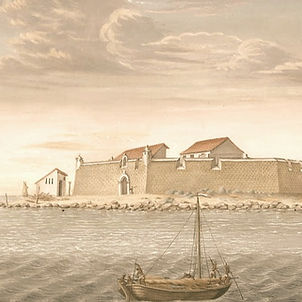
Hammenhiel Fort
An illustration by Cornelis Steiger of Hammenhiel Fort. Public Domain.

Hondius’s Map of Ceylon
Illustration. Sri Lanka (Ceylon) oriented with East at the top, Mercator Hondius, 1620 c. Public Domain.
Jodocus Hondius, a Dutch cartographer and engraver, was one of the premier publishers of maps and globes. When, in 1577-80, Francis Drake circumnavigated the globe, Hondius did much to publicise the voyage on his world maps. Hondius played a significant role in restoring Gerard Mercator to his rightful place as a cartographic pioneer. Hondiuis republished Mercator's Atlas in 1606, with important additions of his own, and the revived Mercator/Hondius atlas and its subsequent reissues came to dominate 17th-century cartography until mid-century. His map of Ceylon shows the island oriented with East at the top, and is embellished with three cartouches, native animals, and trading ships along the coastlines. The distinctive five-sided shape was based on early Portuguese surveys and quickly replaced by far more accurate Dutch portrayals.

Hunnasgiriya Fort
Image courtsey of Niroshan Edirsinghe.
Thirty-three kilometres east of Kandy are fragments of stone walls and structures – the remains of a fort and village that provided the stage for what was probably the last act of the Kandyan Kingdom. Atop a mountain once known as Medamahanuwara Mountain and today more familiarly as Hunnasgiriya Mountain, these are the remains of a fort-palace, possibly built by King Senarath, who ruled the Kandyan kingdom until he died in 1635. Linked to it is a village called Bombure, and it was to here that hapless King Sri Wickrama Rajasingha fled with his wives and a few allies as he attempted to evade the pursuing British in 1815. Deciding that the village offered insufficient protection, the party tried to find the hidden passage that connected the town to the fort palace. The tunnel entrance lay behind a waterfall. But repeated attempts to probe the water with sticks revealed nothing but hard rock. The king remained where he was, soon to be captured and exiled to Vellore in southern India, where he was to die of dropsy. Villagers today state that the waterfall has long since dried up, but also point to a place called Dora-Bombure (Door of Bombure), which they claim was the entrance the doomed king failed to find.

I, i

Ilanaga, King of Anuradhapura
Illustration. Public Domain.
The forty-second monarch of the Vijayan Period (543 BCE - 66 CE), the dates of his reign being 35 CE – 35 CE; and then, after an interregnum, 38 CE – 44 CE. Nephew of the slain Vijayan King, Amandagamani Abhaya, Ilanaga managed to dethrone the sitting monarch, Sivali, King, Amandagamani Abhaya’s daughter in 35 CE. In so doing, he turbo-charged the unrest and insurrection that was beginning to eat away at the kingdom. Within months, Ilanaga had fallen out with the Lambakarna clan, a most significant noble family within his court. In the ensuing turmoil, he had to flee the country, leaving the Lambakarna in nominal, and no doubt fluctuating, charge. Hunted somewhat ineptly, Ilanaga managed to hide in the hill country before catching a ship to South India. He was to return 3 years later, at the head of a borrowed Chola army, to reclaim his throne in 38 CE. His reign lasted another 7 years, ending with his surprisingly natural death in 44 CE.

Issurumuniya, The
An illustration of The Issurumuniya by Felse taken in 1926. Public Domain.

J, j

Jaffna Fort
An illustration by Cornelis Steiger of Jaffna Fort. Public Domain.

Jaya Sri Maha Bodhi
An early 20th century French illustration of the Jaya Sri Maha Bodhi, the sacred Bo tree in Anuradhapura. Public Domain.

Jettha Tissa I, King of Anuradhapura
Illustration Credit: Muthiyangana Raja Maha Vihara in Badulla town which was renovated by Jettha Tissa I, King of Anuradhapura. Image courtesy of Lankapura.
The seventeenth monarch of the Lambakanna Dynasty (1st Period) (66 CE – 436 CE), and the 62nd recorded monarch in Sri Lanka in the line running from Prince Vijaya (543 BCE), his reign dates to 267 – 277 CE. Jetta Tissa, I was the son of the previous king, Gothabhaya, and something of a chip off the monstrous old block. To deal with unruly ministers at his father’s funeral, he had sixty of them rounded up, staking their impaled heads in a mournful circle around the old king’s body in 267 CE.
This display of strong-armed governance under yet another king was probably precisely what was needed to help keep at bay the lurking regicidal tendencies inherent in the Lambakanna dynasty. Jetta Tissa’s decade-long rule is unlikely to have been a comfortable ride for those around him. Indeed, states the Mahavamsa Chronicle, “he came by the surname: the Cruel” It then elaborates, with evident dismay, the steps he took to move patronage and resources from the orbit of Theravada Buddhism to Vaitulya Buddhism. Even so, he died in 277 CE, making him the 29th Sri Lankan monarch out of 62 to have died a natural death. Modest as these rounds were, they were still something of a significant achievement.

Jettha Tissa II, King of Anuradhapura
The Ruwanweli Stupa in Anuradhapura that was built in 140 BCE and would have been a deeply familiar sight to Jettha Tissa II, King of Anuradhapura. Photo courtesy of Hand Luggage Only.
The twentieth monarch of the Lambakanna Dynasty (1st Period) (66 CE – 436 CE), and the 65th recorded monarch in Sri Lanka in the line running from Prince Vijaya (543 BCE), with a reign of 332 – 341 CE. Jettha Tissa II inherited a secure throne and a prosperous country from his brother, King Sirimeghavanna. Little is known of his reign except that he was likely able to extend the dynasty’s reputation for good governance over his entire reign. He was to die after a nine-year reign, the 32nd reigning Sri Lankan monarch to have died a natural death.
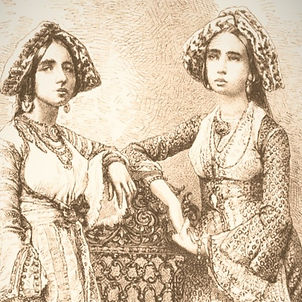
Jews
A 19th century French engraving of Jewish women in Ceylon. Public Domain.

K, k

Kachcheri Mudaliyar
Illustration. Public Domain.
A Sinhala term for a governmental assistant who helps or supports a government agent or the provincial secretariat.

Kadugannawa
Illustration. Public Domain.
Snug within its mountainous walls, the kingdom of Kandy resisted colonial occupation until the British tricked their way inside in February 1815. An ancient Singhalese prophecy had foretold that no foreigner would ever rule the kingdom if it were unable to piece together its mountains. And so, when constructing the 1820 road from Colombo to Kandy, the British did just that, choosing, it is said, to include a tunnel on the road – the Kadugannawa Pass, a small section of pierced rock for which the little village of Kadugannawa claims its gentle fame. Many dispute the story's veracity, but it has a wily charm and so deserves to be true, even if it is not.
The construction of the road itself, a mere five years after capturing the kingdom and the country, was something of an engineering feat – and one carried out by the relatively junior Captain William Dawson. Although he never saw the completion of his work, being bitten by a poisonous snake three years before it was completed, his memory lives on in the village’s Dawson Tower, erected in his honour, and still standing. A wayside Ambalama, or resting place for weary travellers, was also erected in the village, which has, since the opening of the National Railway Museum in 2009, also become a favoured place for ferroequinologists, eager to photograph old motors, trains, rail autos, trolleys, carriages, and other railway memorabilia not still used on the current railway grid.

Kahavanu
Illustration. Public Domain.
A Sinhala term for the standard coins issued in the 1st and 2nd centuries CE by the Anuradhapuran kingdom. Also known as kahapana, they were made of various metals and so differed significantly in their weight.

Kalpitiya
Illustration. Public Domain.
On the edge of the vast Puttalam Lagoon, running up the island’s western seaboard, and facing inland, is the coastal town of Kalpitiya. Once a beneficiary of the pre- and early Medieval maritime trade that ran from SE Asia to the Horn of Africa by way of India, the town became a notable part of Portuguese Ceylon in the early 17th century, before passing into Dutch hands and being equipped with a star fort in 1667. Almost all this early history-in-stone is now a wreck, fragile archaeological lines demarking the boundaries of barracks, a prison, warehouses, a Jesuit chapel, a commander’s house, and a graveyard. The church font stands there still, surrounded by a few forsaken gravestones. Though of little value as a harbour, Kalpitiya nevertheless commanded the entrance to Puttalam harbour, which bestowed on it a certain modest authority, later exploited by the Dutch to help maintain their monopoly on cinnamon. The coconut groves and salted fish that provided it with its basic economy linger on, though today the area is being rediscovered by tourists lured by the prospect of kitesurfing, scuba diving, and dolphin and whale watching. Parts of it have even been declared a marine sanctuary, from whose reefs, swamps, mangrove and dunes live a wide variety of marine life, including the elusive and almost extinct Dugong.

Kanganies
A Sinhala term for the self-selected or appointed headman of a group of labourers in the plantation sector.

Kanirajanu Tissa, King of Anuradhapura
Illustration. Public Domain.
The thirty-ninth monarch of the Vijayan Period (543 BCE - 66 CE), with a reign of 30 CE – 33 CE. Succeeding to the Anuradhapuran throne by (doubtful) virtue of murdering his brother, Amandagamani Abhaya, Kanirajanu Tissa’s own reign terminated after just three suspiciously short and turbulent years, when in 33 CE Chulabhaya, Amandagamani Abhaya’s son, suddenly became king. For all but the very short-sighted, Kanirajanu Tissa’s abrupt death made it abundantly clear that the Vijayan dynasty was more focused on hastening its own self-destruction than on ruling its country.

Kanittha Tissa, King of Anuradhapura
Illustration Credit: The Abayagiriya Rathna Prasada said to have built by Kanittha Tissa, King of Anuradhapura; image courtsey of Theeshya Dulmini
The sixth monarch of the Lambakanna Dynasty (1st Period) (66 CE – 436 CE), and the 51st recorded monarch in Sri Lanka in the line running from Prince Vijaya (543 BCE), his reign dates to 165 - 193. The reliable historical record is mute on the reign of Kanittha Tissa, except to say that he was the brother of the late king, Bhatika Tissa, and the son of King Mahallaka Naga. The reign was apparently calm and uneventful, lasting 4 years longer than that of Bhatika Tissa’s. “No news is good news,” noted a later English king renowned for being “the wisest fool in Christendom.” And so one might assume of this indistinct reign. Indeed, in the years that followed, the administration would have looked, along with 4 of the five previous ones, as the lush salad days of the Lambakarnas. Kanittha Tissa’s successor, Cula Naga, was not so fortunate.

Karainagar
Illustration. Public Domain.
A small island and harbour town north-east of Jaffna, Karainagar has seen cross-border footfall since records began. To the north stands a lighthouse built by the British in 1916, and to the south Fort Hammenhiel. This Portuguese-cum-Dutch fort guarded the entrance to the Jaffna peninsula until the British repositioned it as a maximum-security prison, an infectious-disease hospital, and finally a base for Special Operations. After Independence, it was used as a prison for JVP prisoners, including (in 1971) Rohana Wijeweera, before being taken over by the Sri Lankan Navy as a place to detain errant sailors. It has now become a luxury hotel, where, its management claims, “a feeling of exclusivity is paramount,” and where guests “can experience real-time living and sleeping within an actual cell.”

Kelaniya Raja Maha Viharaya
An illustration of the Kelaniya Raja Maha Viharaya taken by an unknown photographer in 1880. Public Domain.

Keulen’s Sea Chart of Ceylon
Illustration. Dutch sea chart of Sri Lanka (Ceylon) Johannes van Keulen, 1683. Public Domain.
Johannes van Keulen was a Dutch maritime publisher whose atlases were published from 1678 onwards - an advantageous time to enter his profession. The van Keulen cartographic dynasty continued for nearly two centuries. His son, Gerard (1678–1726), produced new editions of his father’s works and made numerous manuscript charts. He was appointed hydrographer to the Dutch East India Company (VOC) in 1706. His grandson, Jan II van Keulen (1704–1770), took over the business in 1726 and published a new edition of the Asian volume of the Zee-Atlas. He was appointed chartmaker to the VOC in 1743, setting an official seal on a well-established relationship that was to last until the company dissolved in 1799. His 1683-4 sea chart of Sri Lanka is one of the earliest and most detailed of its kind, decorated with two large cartouches, rhumb lines, compass roses, and several sailing ships. The pink area in the southwest of the island is where cinnamon, an extremely valuable commodity at the time, could be grown and harvested.

Khallata Naga, King of Anuradhapura
Illustration. Public Domain.
The twentieth monarch of the Vijayan Period (543 BCE - 66 CE), with a reign of 109 BCE – 103 BCE. Inheriting the throne from his Vijayan brother, Lanja Tissa, in 109 BCE, Khallata Naga’s reign was a textbook of misery from its rebellious start to its abrupt and homicidal finish just 6 years later. From the outset, he found himself unexpectedly busy quelling rebellions initiated by his own family – but to no avail. He was killed by his own chief general just 6 years later, his death doing much to normalise the treason, regicide, and rebellion that was to bring down the Vijayan dynasty itself later.

Khudda Parinda, King of Anuradhapura
Illustration credit: Pandyian Emblam courtsey of Quora
The 3rd of the Six Dravidian invaders of the Pandiyan Dynasty of South India and the 74th recorded monarch in Sri Lanka in the line running from Prince Vijaya (543 BCE). Acquiring the throne by dint of assassination, Khudda Parinda terminated his brother Parindu’s reign before it was even a year old. He himself was to reign for a suspiciously short six years, though there is no mention in the ancient chronicles that his own death was anything but natural. His actual rule would probably have extended over a very foreshortened version of the original Anuradhapura Kingdom’s boundaries, for by now the island had become enflamed by anti-Pandiyan resistance, led by Sri Lankan Moriyan rebel leader, Dhatusena, from his base in the south of the island.

Korale
Illustration. Public Domain.
A historical Sinhala term for the administrative unit of a province of the Kandyan kingdom. It was later used under British rule to describe a revenue district, overseen by a Mudaliyar in low-country districts or a Korale Mahaththaya in upcountry districts.

Kotikabadda
Illustration. Public Domain.
A Sinhala term for the tax applied to erica nuts.
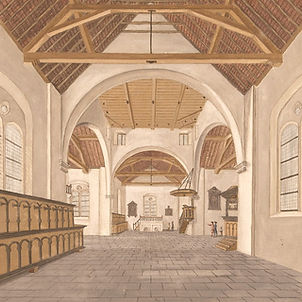
Kruys Kerk
An illustration by Cornelis Steiger of the interior of the church in Jaffna Fort, seen from the South side. Public Domain.

Kuda Naga, King of Anuradhapura
Illustration Credit: The tusker and swastika is a small Copper coin. On one side of the coin, there is an image of a walking tusker, a stupa drawn using three half-moons, a swastika and a Bo tree with three branches inscribed in a square. On the flipside, there is a swastika, a trident, and a stupa. The coin would have been in circulation through the early Anuradhapura era, including during the reign of Kuda Naga, King of Anuradhapura. Photo credit: The Central Bank of Sri Lanka.
The eighth monarch of the Lambakanna Dynasty (1st Period) (66 CE – 436 CE), and the 53rd recorded monarch in Sri Lanka in the line running from Prince Vijaya (543 BCE), the dates of his reign being 195 -196 CE. Kuda Naga was to gain his throne by murdering his brother, Cula Naga. By so doing, he ushered in a period of precarious government that was to last until 254 CE, 59 years, and he was to count himself as one of the greatest losers. His act of regicide must have earned some considerable censure, for he himself was murdered after barely a year by his own brother-in-law, Siri Naga I

Kuda Thissa, King of Anuradhapura
Illustration. Public Domain.
The twenty-ninth monarch of the Vijayan Period (543 BCE - 66 CE), with a reign of 50 BCE – 47 BCE. Kuda Thissa, step-nephew to the previous king, Choura Naga, and his now-widowed queen, Anula, was to enjoy his throne for just a few years. His uncle, Choura Naga, had met his end from a draft of poison administered by Queen Anula, and the very same was to happen to Kuda Thissa, who departed this earth from a surfeit of poison in 47 BCE.

Kumarihaami
Illustration. Public Domain.
In the blandest of terms, a Kumarihaami might be cautiously described as an elderly lady who enjoys considerable influence within her family and community. But this in no way captures the degree of social richness, and power - shot through with often obstinate and glittering eccentricity - that is a proper Kumarihaami. A cross between a dowager duchess and an exiled Queen, her word is law and her recommendations ignored at your very considerable peril. Nancy Aster, the Empress Dowager Cixi or the fictional Dowager Countess of Grantham in “Downtown Abby” are all good foreign examples. Sri Lankan examples today can be found in any town or village on the island. Or, better still, on the pages of many a contemporary Sri Lankan novel, not least Ashok Ferrey’s “The Ceaseless Chatter of Demons.”

Kutakanna Tissa, King of Anuradhapura
Illustration. Public Domain.
The thirty-fifth monarch of the Vijayan Period (543 BCE - 66 CE), with a reign of 42 BCE – 20 BCE. With the ascension of the monkish Kutakanna Tissa to the Vijayan throne, a modicum of stability returned to Anuradhapuran politics. Having had his murderous predecessor, Queen Anula, burned alive in her own palace, Kutakanna Tissa settled down for 18 apparently uneventful years before dying, peaceably, in 20 BCE.

Kuveni, Queen
Image: Public Domain.
Kuveni was the wife of the island’s first king, Vijaya - but not simply a wife, nor even a weaver of cloth, a mother, lover, or queen. She was also a demon, a metamorphoser, an outcast, an avenging fury, a suicide, a traitor, a murderess, a ghost, and a mistress of deception. A descendant of the gods, she is also a goddess to the country’s still-living Aboriginal peoples. Kuveni and her husband Vijaya were the pin-up lovers of their generation, the Bonnie and Clyde of 543 BCE. Only theirs was a more unorthodox passion - more akin to Dido and Aeneas, with the queen immolating herself. But whilst it is hard to find a corner of Sri Lanka that is not branded “Vijaya,” in besotted memory of the country’s founding paterfamilias, it is much harder to find similarly smitten organisations that bear the name “Kuveni.” Coming from a nation that boasts the modern world’s first female head of state, Sirimavo Bandaranaike, in 1960, this seems a monumental omission. But delve a little further, and it becomes increasingly clear why Kuveni is the queen that the country is too alarmed by to properly acknowledge. Kuveni was to confound and challenge all ancient ideas of womanhood, and go on challenging them to this day. Her story starts as she sits trapped in her modest palace, a pawn in her father’s political armoury. She is, naturally, no ordinary princess. Descending from King Ravana, the ten-headed evil demon king who fatally kidnapped the wife of the Supreme Being, her bloodline offers a clue, if ever one were needed, to a family proclivity for violence, chaos, and injustice. But in Vijaya, she spots a way to escape the prison of her family. Vijay, a shaved-head fugitive with a penchant for what The Mahavamsa calls “evil conduct and … intolerable deeds,” was exiled by his father and arrived in Sri Lanka, a man in need of friends. Friends, land, food: in fact, at the time he arrived on Sri Lanka’s shore, he was a man in need of pretty much everything. And in Kuvani, he found just about everything. Overcoming some immediate disagreements in which she almost eats him and imprisons his entire band of feckless followers, she performed a faultless volte-face, gave them food and clothing, and, according to the ancient Mahavamsa Chronicle, beaming with broad indulgence, if Chronicles can be said to beam, “assumed the lovely form of a sixteen-year-old maiden.” Although marriage was what Vijaya and Kuveni agreed on, they also executed a plan to annihilate her Yakka tribe. But much good did any of this do her? In using Vijaya, she was, in turn, to be even more devastatingly used by him. Soon after inaugurating his new kingdom at Tambapanni and fathering two children, Vijaya abandoned her, sending to India for a more respectable princess, one who was drawing-room perfect, and banishing his native wife to the wilderness. Rejected by both her husband and the people she had betrayed and killed, Kuveni climbed or was forced to the top of a mountain and hurled down, cursing her disloyal husband as she died. Her husband was to die without heirs. His successor was struck down by a (presumably related) disease, and his entire children made demented by bloodshed, civil war, and familicide. Across the entire island, a lonesome scrap of haunting folklore offers a hint at the final resting place of Queen Kuveni. There is nothing to verify it except the curious behaviour of the local people. Visitors to the village are welcomed to its little temple, the Maligatenna Raja Maha Viharaya, but not permitted to walk to the top of the little hill above it, where the queen’s crypt is said to lie.

L, l

Lambakarna Dynasty (First Period), The
Illustration of a muru gal, or guardstone. Public Domain.
Governing from 66 CE to 436 CE, the Lambakarna were Sri Lanka’s second recorded royal dynasty, carrying the country into what historians call “the common era” and helping to embed a unique Singhalese culture across the entire island. Possibly originating in India, the Lambakarnas likely claimed descent from Sumitta, a prince who formed part of the escort that brought the Bodhi tree from India in 250 CE. From this botanical pilgrimage, they would go on to become one of the island’s great barons, alongside other such families as Moriyan, Taracchas and Balibhojak.
The Lambakarnas’ own power derived from their position as hereditary guardians or secretaries to the king. They took a prominent part in religious ceremonies. But there was more to them than merely carrying coronation parasols and flags. They were connected to the military, to weapon manufacture and, as writers, must have been involved in much of the critical administration of the kingdom. The Lambakarnas managed the transition from one of several aristocratic families to a ruling family with what at first appeared to be consummate ease. After the ruinous excesses of the last Vijayans, the new dynasty seemed to grip the one fundamental axiom of successful kingship: govern well, live long.
They were to rule all or much of the island (depending on the period) over two distinct periods. The first of these (The First Period) lasted 369 years, through the reigns of 26 monarchs, from 67 CE to 436 CE. It took the dynasty a blissfully long 126 years before regicide, that most corrosive of leadership viruses, caught up with it in 193 CE. The sickness lasted for six decades, during which time being a king most typically meant an early and random appointment with reincarnation. Matters appeared to stabilise from 254 CE. For 116 more years, kings came and went with calm succession. But then, once more, the regicide virus reappeared - this time with a more comprehensively malign impact.
For six more decades, the country drifted as kings most typically succeeded one another at the point of a sword or a draught of poison. The invasion, when it came in 436 CE, put a one-year sell-by date on the Lambakarna’s last king. King Mittasena was to enjoy his crown for just a year. Decades of focusing on the succession rather than the defence or betterment of the country had left the kingdom so insufficiently capable as to be the perfect sitting target for the country’s fourth invasion from Tamil Nadu. It was the first serious Tamil invasion the Lambakarna dynasty had to face – the previous three had been catastrophes the previous Vijayan rulers had endured. But it was to be their last, too. Facing an implacable Tamil army, the dynasty imploded, ceding the kingdom to seventeen years of foreign occupation and several more years of interregnum anarchy.
The Lambakarnas had ruled their kingdom for just over half the length of the Vijayans, and their 369-year innings was no small achievement. But it was a troubled epoch. Just under half the Lambakarna monarchs were to die at the hands of their successors, victims to a predilection for assassination that ran as a malign monomeric thread through their DNA. Even so, the nation they left behind was bigger, richer, more complex, developed, and built out than it had been in their inheritance back in 67 CE. Stupas, monasteries, reservoirs, canals, temples, and dwellings filled out the land. The mores of society progressed. Agriculture flourished, and technical advances, from construction to medicine, brought benefits to the kingdom. It was strong enough to weather repeated religious schisms and succession crises, and – ultimately – its 16-year occupation by Tamil kings, enabling the country to bounce back, albeit this time under yet another new dynasty. The order and run of its monarchs is as follows:
1. Vasabha. The first monarch of the Lambakanna Dynasty (1st Period) (66 CE – 436 CE), and the 46th recorded monarch in Sri Lanka in the line running from Prince Vijaya (543 BCE), with a reign of 67-111 CE.
2. Vankanasika Tissa. The second monarch of the Lambakanna Dynasty (1st Period) (66 CE – 436 CE), and the 47th recorded monarch in Sri Lanka in the line running from Prince Vijaya (543 BCE), with a reign of 111-113 CE.
3. Gajabahu I. The third monarch of the Lambakanna Dynasty (1st Period) (66 CE – 436 CE), and the 48th recorded monarch in Sri Lanka in the line running from Prince Vijaya (543 BCE), with a reign of 113-135 CE.
4. Mahallaka Naga. The fourth monarch of the Lambakanna Dynasty (1st Period) (66 CE – 436 CE), and the 49th recorded monarch in Sri Lanka in the line running from Prince Vijaya (543 BCE), with a reign of 135-141 CE.
5. Bhatika Tissa. The fifth monarch of the Lambakanna Dynasty (1st Period) (66 CE – 436 CE), and the 50th recorded monarch in Sri Lanka in the line running from Prince Vijaya (543 BCE), with a reign of 141 – 165 CE.
6. Kanittha Tissa. The sixth monarch of the Lambakanna Dynasty (1st Period) (66 CE – 436 CE), and the 51st recorded monarch in Sri Lanka in the line running from Prince Vijaya (543 BCE), with a reign of 165-193.
7. Cula Naga. The seventh monarch of the Lambakanna Dynasty (1st Period) (66 CE – 436 CE), and the 52nd recorded monarch in Sri Lanka in the line running from Prince Vijaya; his reign dates to 193 – 195 CE.
8. Kuda Naga. The eighth monarch of the Lambakanna Dynasty (1st Period) (66 CE – 436 CE), and the 53rd recorded monarch in Sri Lanka in the line running from Prince Vijaya (543 BCE), the dates of his reign being 195 -196 CE.
9. Siri Naga. The ninth monarch of the Lambakanna Dynasty (1st Period) (66 CE – 436 CE), and the 54th recorded monarch in Sri Lanka in the line running from Prince Vijaya (543 BCE), with a reign of 196 – 215 CE.
10. Voharika Tissa. The tenth monarch of the Lambakanna Dynasty (1st Period) (66 CE – 436 CE), and the 55th recorded monarch in Sri Lanka in the line running from Prince Vijay (543 BCE), his reign dates to 215 – 237 CE.
11. Abhaya Naga. The eleventh monarch of the Lambakanna Dynasty (1st Period) (66 CE – 436 CE), and the 56th recorded monarch in Sri Lanka in the line running from Prince Vijaya (543 BCE), his reign dates to 237 – 245 CE.
12. Siri Naga II. The twelfth monarch of the Lambakanna Dynasty (1st Period) (66 CE – 436 CE), and the 57th recorded monarch in Sri Lanka in the line running from Prince Vijaya (543 BCE), his reign dates to 245 – 247 CE.
13. Vijaya Kumara. The thirteenth monarch of the Lambakanna Dynasty (1st Period) (66 CE – 436 CE), and the 58th recorded monarch in Sri Lanka in the line running from Prince Vijaya (543 BCE), his reign dates to 247 – 248 CE.
14. Sangha Tissa I. The fourteenth monarch of the Lambakanna Dynasty (1st Period) (66 CE – 436 CE), and the 59th recorded monarch in Sri Lanka in the line running from Prince Vijaya (543 BCE), his reign dates to 248 – 252 CE.
15. Siri Sangha Bodhi I. The fifteenth monarch of the Lambakanna Dynasty (1st Period) (66 CE – 436 CE), and the 60th recorded monarch in Sri Lanka in the line running from Prince Vijaya (543 BCE), with a reign date of 252 – 254 CE.
16. Gothabhaya. The sixteenth monarch of the Lambakanna Dynasty (1st Period) (66 CE – 436 CE), and the 61st recorded monarch in Sri Lanka in the line running from Prince Vijaya (543 BCE), with a reign of 254 – 267 CE.
17. Jettha Tissa I. The seventeenth monarch of the Lambakanna Dynasty (1st Period) (66 CE – 436 CE), and the 62nd recorded monarch in Sri Lanka in the line running from Prince Vijaya (543 BCE), with a reign of 267 – 277 CE.
18. Mahasena. The eighteenth monarch of the Lambakanna Dynasty (1st Period) (66 CE – 436 CE), and the 63rd recorded monarch in Sri Lanka in the line running from Prince Vijaya (543 BCE); the dates of his reign being 277 - 304 CE
19. Sirimeghavanna. The nineteenth monarch of the Lambakanna Dynasty (1st Period) (66 CE – 436 CE), and the 64th recorded monarch in Sri Lanka in the line running from Prince Vijaya (543 BCE), the dates of his reign being 304 - 332 CE
20. Jettha Tissa II. The twentieth monarch of the Lambakanna Dynasty (1st Period) (66 CE – 436 CE), and the 65th recorded monarch in Sri Lanka in the line running from Prince Vijaya (543 BCE), with a reign of 332 – 341 CE.
21. Buddhadasa. The twenty-first monarch of the Lambakanna Dynasty (1st Period) (66 CE – 436 CE), and the 66th recorded monarch in Sri Lanka in the line running from Prince Vijaya (543 BCE), with a reign of 341 – 370 CE.
22. Upatissa I. The twenty-second monarch of the Lambakanna Dynasty (1st Period) (66 CE – 436 CE), and the 67th recorded monarch in Sri Lanka in the line running from Prince Vijaya (543 BCE); his reign dates were 370 – 412 CE.
23. Mahanama. The twenty-third monarch of the Lambakanna Dynasty (1st Period) (66 CE – 436 CE), and the 68th recorded monarch in Sri Lanka in the line running from Prince Vijaya (543 BCE), with a reign of 412 – 434 CE.
24. Soththisena. The twenty-fourth monarch of the Lambakanna Dynasty (1st Period) (66 CE – 436 CE), and the 69th recorded monarch in Sri Lanka in the line running from Prince Vijaya (543 BCE), with a reign date of 434 CE.
25. Chattagahaka Jantu. The twenty-fifth monarch of the Lambakanna Dynasty (1st Period) (66 CE – 436 CE), and the 70th recorded monarch in Sri Lanka in the line running from Prince Vijaya (543 BCE), with a reign of 434 - 435 CE.
26. Mittasena. The twenty-sixth and last monarch of the Lambakanna Dynasty (1st Period) (66 CE – 436 CE), and the 71st recorded monarch in Sri Lanka in the line running from Prince Vijaya (543 BCE), with a reign of 435 – 436 CE.

Landraads
Illustration of the VOC Arms in Galle. Public Domain.
A Dutch term for the civil courts authorised by the VOC to rule over all land disputes.

Lanja Tissa, King of Anuradhapura
Illustration of Anuradhapura. Public Domain.
The nineteenth monarch of the Vijayan Period (543 BCE - 66 CE), the dates of his reign being 118 BCE – 109 BCE. Lanja Tissa gained his crown by murdering his younger Vijayan brother Thulatthana, who had quite possibly stolen the throne from him on the death of their father Saddha Tissa in 119 BCE. Leading an army up from his own base in Ruhana, Lanja Tissa took back what he clearly regarded as his own in the first place and seems to have met little obvious resistance. Even so, it is said that, in penance, he then spent the ten years that his reign was to encompass appeasing the Buddhist monks’ disapproval of fratricide by devoting himself to the betterment of Buddhism. He died, peacefully it seems, in 109 BCE.

Lascarins
Illustration in the Public Domain.
A Portuguese term used in Sri Lanka to mean soldier or guard, and later adapted by the Dutch as lascorijn, and by the British as lascariin or lascar. In its original Portuguese sense, it referred explicitly to the local soldiers they recruited to overcome their chronic manpower shortages as they fought for control of the Kotte and Kandyan kingdom. Most lascarins were Catholic converts, and they made up the vast majority of the Portuguese colonial army. They were notorious for abruptly changing sides, most notably at the Battle of Gannoruwa in 1638, a defining moment in the Portuguese withdrawal from the island, leaving just 33 soldiers alive from an initial force of 4,000. Under Dutch rule, these soldiers were organised into groups of 24 led by two or three native headmen. Under British rule, these soldiers were retrained for ceremonial roles, though some were retained as bodyguards for Mudaliyars, the most powerful native families.

Lighthouse, Galle
Illustration by Wilhelm Joseph Heine of the Light House at Point de Galle in1855. Public Domain.

Lunuganga
Image courtesy of Lunuganga.
Country houses with extensive, attached, specially landscaped gardens are two a penny in the West, but in Sri Lanka, they are a rarity. One example is Lunuganga, an ex-rubber estate bought by the architect Geoffrey Bawa. The purchase was a form of alternative compensation for not having settled on the shores of Lake Garda in Italy when faced with his mother’s illness and the choice of returning to Sri Lanka or not. Walkways and copses of large ancient trees lead to carefully designed outdoor spaces. A Pavilion overlooks a heart-shaped pond, providing the architect with a place of shelter for his morning read. A Blue Pavilion looks out over jars and a pond; a hen house provides an impossibly luxurious space for pampered poultry. A riverside bench is shaded by trees and hung with bells - each sound linked to a different need (cup of tea, gin, and tonic) that the architect and his friends would sound as required. “He made no attempt, wrote Michael Ondaatje, “to turn it into a pompous estate. Each vista, each location feels like another elegy or another voice—the first person, then the third person, the vernacular, then the classical. You discover you wish to be at one location at noon, another at twilight, some when you are young, others later in life.” The estate stretches across a peninsula, the lagoon water of Dedduwa Lake on both sides, and views of water dominating the gardens as much as the many statues do - classical and animal, urns, pots, and follies. The house itself – one of several that Bawa built there with unrivalled effortless elegance- gazes out through the branches of a massive frangipani tree onto its sequestered landscape. It is not surprising that, of his many homes, this is where Bawa chose to lay his own ashes. And as the house now takes in guests, you can book in to enjoy a little bit of the lingering magic for yourself.

M, m

Maha Mudaliyar
Illustration: Public Domain.
A British Sinhala term to denote the highest position in the native hierarchy of officials; most typically, the chief aide to the Governor.

Mahadatika Mahanaga, King of Anuradhapura
Illustration - Ceylon. Ruins At Anuradhapura. A 1930s colour lithograph, signed “David Paynter” printed by “Government Railways Express Train Service, restaurant & sleeping cars. Waterlow & Sons Ltd, London, Dunstable & Watford.” The artist, son of Salvation Army missionaries, David Shillingford Paynter RA, OBE (1900-1975) was an internationally renowned Sri Lankan painter. Public Domain.
The thirty-seventh monarch of the Vijayan Period (543 BCE - 66 CE), with a reign of 9 CE – 21 CE. Succeeding to the Anuradhapuran throne in 9 CE on the death of his brother, Bhathika Abhaya, Mahadatika Mahanaga was to rule with evident obscurity until his death, natural or otherwise, in 21 CE.

Mahakuli Mahatissa, King of Anuradhapura
Illustration: The cover of “The buried cities of Ceylon; a guide book to Anuradhapura and Polonaruwa, with chapters on Dambulla, Kalavewa, Mihintale and Sigiri” by Burrows, S. M, (Stephen Montagu), Publication date 1905. Public Domain.
The twenty-seventh monarch of the Vijayan Period (543 BCE - 66 CE), with a reign of 77 BCE – 62 BCE. Mahakuli Mahatissa, who became King of Anuradhapura in 76 BCE, was the adopted son of the previous Vijayan king, Valagamba. His paternal inheritance was something of a baited hook. His own (blood) father, the general Kammaharattaka, had been murdered by Valagamba for having killed the previous king, Valagamba’s brother, Khallata Naga. As was so often the case with the early Anuradhapuran kings, if ever there was an opportunity to complicate already dangerously tortuous family matters, they typically took it with alacrity. In an act of reckless trust, Valagamba adopted Mahakuli Mahatissa, the general’s son and married his wife. Unsurprisingly, there are hints in the ancient chronicles that Valagamba’s succession may not have been entirely orderly; if so, then Valagamba’s earlier trust in adopting Mahakuli Mahatissa can be read as an extended suicide note. However he came to the throne, Mahakuli Mahatissa stayed the course, though whether he did anything constructive remains a niggling historical curiosity. He died, quite possibly peaceably, in 62 BCE.

Mahallaka Naga, King of Anuradhapura
Illustration Credit: The smaller stupa of the Mahiyanganaya Ancient Nagadeepa Viharaya where Mahallaka Naga, King of Anuradhapura is said to have built a monastery. Image courtsey of AmazingLanka.com
The fourth monarch of the Lambakanna Dynasty (1st Period) (66 CE – 436 CE), and the 49th recorded monarch in Sri Lanka in the line running from Prince Vijaya (543 BCE), with a reign of 135-141 CE. Said to be the wrong side of late middle age at the time of his ascension, Mahallaka Naga, the new king, still managed to live on until 141 CE before handing things on to his son with the sort of blameless succession choreography that more modern leaders like Mugabe or Trump might have learnt much from. He was said to be the father-in-law of the previous King Gajabahu I; if so, then the succession would have run down a less travelled thoroughfare, but this did not imply it was anything but orderly. Little is known about his reign, but it can be assumed that it took its rightful place amongst that period of calm governance that characterised the reigns of all the early Lambakanna, from 67 CE to 195 CE.

Mahanaduva
Illustration. The Courts at Kandy. Public Domain.
A Sinhala term used in the Kandyan kingdom to name the Great Court of Justice.

Mahanama, King of Anuradhapura
Illustration Credit: A Lakshmi Plaque coin with a female figure carved into the face It is believed that the woman on the coin is the goddess, Lakshmi. The coins were either plated or engraved pieces of Copper. They also came in different sizes. The plated kind were 1 ¼ inches in length and ½ inch in width. The coins are a mixture of approximately 60 percent Lead and 15 percent Copper. On the coin face, the goddess Lakshmi is standing on a lotus flower grasping two lotus stems that are protruding from either side of the flower. The stems, which reach her shoulders, each carry a blossomed lotus flower upon which stands a tusker holding a clay water vase. The image depicts the goddess bathing in the water pouring out of the vases held by the two tuskers. In some versions of this coin, goddess Lakshmi is shown seated on a lotus flower. The Lakshmi coins have been found is such places as Anuradhapura, Jaffna, Wallipuram and Thirukethiswaram as well as Kantharoda, Mannar, Mulativu, Chilaw and Thissamaharama; and were in circulation from 3 BCE to 8 CE – including during the reign of Mahanama, King of Anuradhapura. Picture courtesy of The Central Bank of Sri Lanka.
The twenty-third monarch of the Lambakanna Dynasty (1st Period) (66 CE – 436 CE), and the 68th recorded monarch in Sri Lanka in the line running from Prince Vijaya (543 BCE), with a reign of 412 – 434 CE. The son of King Buddhadasa, Mahanama was a Buddhist monk, but one with more than a few extracurricular interests. Chief among these was his brother’s wife, the Queen, with whom he was to cuckold King Upatissa I, bringing his otherwise long reign to an unscheduled end by murdering him in 412 CE. Although the new king was to enjoy dying a natural death in 434 CE, the manner of his ascension legitimised regicide once again and set in train a chain of events that was to destroy both the dynasty and – for a time – the country.

Mahasena, King of Anuradhapura
Illustration Credit: Jetavanarama stupa built by Mahasena, King of Anuradhapura - image courtsey of A.Savin, WikiCommons
The eighteenth monarch of the Lambakanna Dynasty (1st Period) (66 CE – 436 CE), and the 63rd recorded monarch in Sri Lanka in the line running from Prince Vijaya (543 BCE), with a reign of 277-304 CE. The son of King Gothabhaya and brother of King Jettha Tissa I, Mahasen, took the throne in 277 CE, a succession notable for being a natural one. Like his brother, Mahasen had been educated by the radical monk Sanghamitta. So, from the perspective of the majority Theravāda Buddhists, life grew even worse as the religious schisms that continued to ravage the country deepened. A twenty-seven-year reign lay ahead of the new king, who got off to a good start, commissioning what would include sixteen massive reservoirs (the largest covering an area of nearly twenty square kilometres) and two big irrigation canals. But this did little to defray the resentment his pro-Mahayana religious policies sparked, prompting a rash of insurrections opposing his opposition to Theravada Buddhism.
Mahasen set about building what would become the country’s largest stupa, the Jethavanaramaya, which, until the construction of the Eiffel Tower, was the second-tallest building in the world. To help, he ordered the plundering of the Mahavihara, the most incredible Theravada Buddhist monastery in the land. Monks who opposed his Mahayana policies were pressured by various means, including attempts at starvation. Soon enough, the trickle of monks fleeing to the safety of Ruhuna in the south became a flood. Ominously, they were also joined by Meghavannabaya, the king’s chief minister, who raised an army in their defence. With surprising wisdom, the king drew back from the confrontation, saving his throne, making peace with the disgruntled Theravada Buddhists, and enabling him to settle down to enjoy a long and apparently prosperous reign. This came to a natural end in 303 CE, earning him the distinction of being just the 30th reigning Sri Lankan monarch to die a natural death.

Mahasiwa, King of Anuradhapura
Illustration. Ancient ruins of Lankarama Dagoba, Anuradhapura, Public Domain.
The eleventh monarch of the Vijayan Period (543 BCE - 66 CE), with a reign of 257 BCE – 247 BCE. Inheriting the Vijayan throne from his brother, Uththiya, in 257 BCE, Mahasiwa’s reign is a model of almost total obscurity. Most historians agree that he probably built the Nagarangana Monastery in Anuradhapura, and they also largely agree on the date of his death, in 247 BCE.

Map, Mannar Island
Illustration. Mannar Island, Sri Lanka. Public Domain.
Published by Awnsham & John Churchill, around 1740, this is one of the very earliest maps of
the island of Mannar and beautifully depicts the early European settlements that were established there.

Mapagala Fortress
Image courtsey of https://justaboutev3rything.
To enjoy a fulfilling and ambitious professional life as a builder in the fifth century BCE, you would need to relocate to Wu, where one of the more ambitious Chinese kings was constructing the Han Canal. Or to one of the many Anatolian palaces of the infamously wealthy Croesus. Or the temples of Delphi. Or Sri Lanka. Either way, pursuing your profession in, say, Watford, Versailles, Swindon, Dundee, or the Baltic, would soon have you pressed, bored and hard against the modest limits of the wattle and daub that defined European construction technology. The great rock fortress of Sigiriya is proof enough of this – yet there exists, just seven hundred and fifty metres south of Sigiriya, the remains of a fortress that may predate the Lion Rock fort itself. A great deal of imagination is needed to reconstruct it – should a visitor ever get to the top, for there is no regular path cut. What remains is a space bordered by immense granite boulders enveloping once substantial buildings, now traces on the ground. Excavations have also uncovered traces of iron tools that would have been essential for preparing the stones from which it was built.

Marala
IllIllustration. Borella Cemetery. Courtesy of the author.
A Sinhala term for death duties.

Matale Rebellion Sketch, The
Illustration. Sketch of the Island of Ceylon John Arrowsmith, 1848. Public Domain.
In 1848, the Quartermaster General's office in Colombo commissioned John Arrowsmith, the English cartographer, to produce a survey map that emphasised the region around Kandy and the military activities during the Matale Rebellion on the island in 1848. The map states it accompanied the parliamentary dispatch of Lord Torrington, the controversial governor of Ceylon during this period.

Mihintale
A photogrpah from 1926 (photographer unknown) of the beginning of the stone steps at Mihintale. Public Domain.

Mittasena, King of Anuradhapura
The image, of the Elephant wall, Ruvanelraya Dagoba in Anuradhapura, is courtesy of Monkey’s Tales.
The twenty-sixth and last monarch of the Lambakanna Dynasty (1st Period) (66 CE – 436 CE), and the 71st recorded monarch in Sri Lanka in the line running from Prince Vijaya (543 BCE), with a reign of 435 – 436 CE. Mittasena was a distant relative of the previous monarch, Chattagahaka Jantu, who had been murdered by a chief minister seeking a more pliable boss. The move did neither any good. Mittasena, preoccupied by religious devotions, was wholly unprepared for the fourth Tamil invasion of the realm in 436 CE. That the state was so unable to defend itself was no great surprise. For the past few extreme decades, family politics would have pushed good governance into the back seat. The eye, as Ford Frick, the famous basketball player, might have observed, was firmly off the ball. The regime fell with minimal resistance. It was a shocking and sudden end. For 369 years, the dynasty had ruled, its two periods of firm and effective guardianship tragically balanced by two other periods of regicidal insanity and power vacuums. This last Lambakarna king was slain in battle in 436 CE, and a Tamil king, Pandu, took over his rule. Quite what this meant or how far his rule extended is hard to estimate. But for sixteen years, the Six Dravidians, as history would come to know them, were to rule what was left of the once great Anuradhapura Kingdom.

Monuments, Protected
Illustration. A ruined temple, Polonnaruwa, Sri Lanka, 1880 to 1890. Public Domain.
This exhaustive register – albeit it one that is sadly not nearly exhaustive enough – may interest only some half dozen people, but as this Companion aims to record all notable Sri Lankan items, be they endemic birds, presidents, works of contemporary fiction, or the hand gestures of Lord Buddha, it would be recklessly discriminatory to exclude protected monuments on the grounds that there are too many. The list that follows, which itemises protected monuments by location, is not in the least bit comprehensive. There remain many, many more monuments, plain, dazzling, known, unknown, cherished, trashed – but sadly not on the slender list maintained by the relevant authorities.
That there is a list at all, incomplete and eccentric as it is, is an achievement in its own right. For over 1,000 years, since the Chola invasion from Southern India broke across the island, to the raising of the flag of Independence in 1948, the island’s many changing foreign masters have casually, but very extensively, removed to other countries the more portable items of historic importance. But the buildings have of course remained. It would be a work of loving kindness and a life well spent if someone might opt to enlarge, correct, and republish such a list to help the task of preserving structures that are disappearing fast – and taking with it the precious history they encompass. Monuments they may be – but protected they are – in nearly all cases – not at all.
A
1. ABIDIGALA: Mahatulagala Rock Cave
2. AETHAGAMA: Sumanarama Maha Vihara
3. AGALAWATTA: Prathiraja Piriven Vihara
4. AGRAHERA: Naigala Raja Maha Vihara
5. AKARANDENIYA SOUTH: Mahagoda Tapodhanarama Vihara
6. AKARAWITA: Raja Maha Vihara
7. AKKARAYAN: Akkarayan Ruins
8. AKWATTA: Pattini Devalaya Kahawanugoda
9. ALAPALADENIYA: Yatidola Pahala Purana Vihara
10. ALAWALA: Ethabendalena
11. ALUKETIYAWA: Senasungala Aranyagiri Vihara
12. ALUPATGALA: Wawlugala Mountain; Fort; Vihara
13. ALUTHGAMA: St Mary's Church
14. ALUTHNUWARA: Uggal Kataragama Devalaya
15. ALUTWEWA: Kotawehera Ruins
16. ALUYATAWELA: Purana Vihara; Sri Shylathalarama Vihara Madapatha
17. AMADULA: Ihala Kade Asmadala Ruins
18. AMBADANDARAGAMAL: Bullena Aranya Senasana
19. AMBAGAHAWATTA: Dimbulana Vihara
20. AMBAGASPITIYA: Ambalama; Gallinda Watta Ambalama; Kandumulla Rock Caves
21. AMBAKAMAM: Udiyakuruppukulam Lake Ruins
22. AMBALAKANDA: Sri Sunandarama Vihara
23. AMBALANGODA: Sunandarama Maha Vihara
24. AMBALANTOTA: Udarotapallerota Archaeological Ruins
25. AMBANA: Sri Sangharaja Indurugirilen Vihara
26. AMBEPUSSA: Devagiri Raja Maha Vihara; Pattini Devalaya
27. AMBULUGALA: Sri Danthapaya Raja Maha Vihara
28. AMITIYAGODA: Sri Suwisuddharama Purana Vihara; Wijeyaratne Walauwa
29. AMPAKAMAM KULAMOTTAI: Kulamottai Ruins
30. Ampavila: Sri Vijaya Sundararama Purana Vihara
31. AMUGODA: Ihalagoda Siri Vijeyarama Vihara
32. AMUNUDOVA: Kirioruwa Ambalama
33. ANAPALLEGAMA: Thunkemhela Ruins
34. ANDAWELAYAYA: Andawelayaya Ruins
35. ANDURANGODA: Kuligoda Vanavasa Purana Vihara
36. ANDURAPOTHA: Sadarthodaya Pirivena
37. ANGWARAGAMA: Sri Mahaboodhi Piriven Vihara
38. ANHETTIGAMA: Sri Jinendrarama Purana Vihara
39. ANJALIGAMA: Anjalee Vihara
40. ARALAGANWILA: Silumina Seya
41. ARAMBEGAMA: Sri Sudassanarama Vihara
42. ARISAPURAM: Allirani Kotuwa
43. ASGIRIYA GAMPAHA: Asgiriya Rajamaha Vihara
44. ASMADALA: Boduralla Henwatta Ruins; Galgoda Henawatta Ruins; Lunumidella Reservation; Asmadala Vihara; Purana Vihara; Emaladeniya Raja Maha Vihara
45. ATAKALAMPANNA: Ammamuwa Kataragama Devalaya Anpattini Devalaya; Veheragoda Purana Vihara
46. ATALUGAMA: Thumbomaluwa Vihara
47. ATAWAKWELA: Sugatharama Vihara
48. ATHALA: Weheragoda Purana Vihara
49. ATHTHALAWATTA: Purana Vihara
50. ATHURALIYA: Rajjura Bandara Devalaya
51. ATHURUPANA: Degalathiriya Galaudathanna Vihara
52. ATTANAGALLA: Raja Maha Vihara
53. ATTANAYALAEAST: Attanayala Sri Vihara
54. ATTHANAGODA: Tempita Vihara
55. ATUGODA WEWE KANDA: Walagamba Forest Hermitage
56. ATUPOTHDENIYA: Pothgul Vihara
57. AWARIYAWALA: Ambalama
B
1. BADAGIRIYA: Raja Maha Vihara
2. BADULLA: Andeniya Bridge; Assistant Government Agent's Office; Base Hospital Complex; Badulla Building Complex & Ambalama; Badulla Building Material Corporation Building; Badulla Court Building; District Secretary's Bungalow; Official Kachcheri Residences; Government Agent's Bungalow; Governor's Secretary Bungalow; Health Director's Office Building; Health Education Unit Building; Irrigation Quarters; Judge's Bungalow; Kataragama Devalaya; Municipal Council Garden; Municipal Council Building; Paddy Marketing Board Building; Pillar Inscription; Prison Building; Provincial Council Building; Race Course Tank; Railway Station; Rose Bank Building; Salusala Building; SP Bungalow; Muthiyangana Raja Maha Vihara; Pattini Devalaya; Rideepana Evaluation Building; St Mark’s Church; Badulla Gammana: Gal Oya Amuna; Gammana Purana Vihara; Tomb Of Thisahami
3. BAGURUWELA: Walagamba Raja Maha Vihara
4. BALAGALLA: Saraswathi Pirivena; Walawwa
5. BALAPITIYA: Sri Sudharmarama Purana Vihara; Subadrarama Purana Vihara; Welikanda Shri Sudharshanarama Vihara
6. BALGOLLA: Alankaragobe Purana Vihara
7. BAMBRENDA: Galkanda Purana Vihara
8. BAMUNUGAMA: Raja Maha Vihara
9. BANDARAWELA: Bandarawela Hotel; Broughton Estate; Jayakontarama Vihara
10. BARAGAMA: Vilgam Raja Maha Vihara
11. BATADUWA:Tankiyawaththa Stone Pond
12. BATATOTA: Batatotalena Cave; Kukuluwa Vihara; Manellena Cave; Batticaloa Fort
13. BATTAMGODA: Iddamalgoda Walawwa
14. BEHINJANAKAPURA: Janakapura Ruins
15. BELIATTA: Sri Sunandarama Vihara
16. BELIGALA: Mountain Ruins; Beligala Rock Ruins; Vijayasundararama Vihara; Galgemulahena Land Ruins
17. BELIGALLENAGAMA: Beligallena Cave
18. BELIGAMMANA: Raja Maha Vihara
19. BELIMALIYEDDA: Lendora Raja Maha Vihara
20. BELLAGASWEWA: Karuwalagala Purana Vihara
21. BENDHIYAWA: Kamhathadhmulla Purana Vihara
22. BENDIYAMULLA: Bandiyamulla Tombstone
23. BENTARA: Yathramulla Vanavasa Raja Maha Vihara
24. BENTOTA: Dope Ganekanda Vihara
25. BHIKKADUWA: Jananandanarama Vihara
26. BIBILEMULLA: Raja Maha Vihara
27. BISO KOTUWA: Veherabindayaya Ruins
28. BISOWELA: Purana Gallen Vihara
29. BMELLAGAMA: Thimbiriya Raja Maha Vihara
30. BNAGALA: Nagala Raja Maha Vihara
31. BODHAWELA: Ruins
32. BOGAHAWATTA: Ambalama
33. BOGODA: Raja Maha Vihara
34. BOKAGONNA: Purana Devalaya
35. BOLIYEDDA: Vihara
36. BOLLANASOUTH: Bollana Ancient Ambalama
37. BOLTUMBE: Saman Devalaya
38. BOLTUMBE SISILTONWATTA: Hituwala Galge
39. BOOSA: Sri Sudharashanarama Purana Vihara
40. BOPE: Sri Sudharmarama Vihara
41. BORALESGAMUWA: Paramadhamma Niwasa Piriwena
42. BORELLA: Thilakaratnarama Purana Vihara
43. BOTHALE IHALAGAMA: Patthini Devalaya; Sri Gotabhaya Raja Maha Vihara
44. BOTHALE PAHALAGAMA: Bothale Walawwa
45. BOTHPITIYANORTH: Uruwala Valagamba Raja Maha Vihara
46. BOWELA: Ulugala Raja Maha Vihara
47. BUDDAMA: Purana Vihara
48. BUDDIYAGAMA: Athubodaya Purana Vihara; Seehala Purana Vihara
49. BULATHSINHALA: Devamittarama Purana Vihara
50. BULATHWATTA: Len Vihara
51. BULUPITIYA: Hamanawa Purana Vihara; Nilgala Hela Ruins; Nilgala Ruins
52. BURUNNEWA: Tempita Vihara
53. BUTTALA: Bidunkada Ruins; Maligawila; Rahathan Kanda Aranya Senasana
C
1. COLOMBO: Shelk Usman Valiulah Darga Mosque Alias Davatagaha Mosque; Cargills Building; Clifan Burg House; Chartered Bank Building; Port Custom Building; Port Lighthouse; Port Ruins Of Rampart; Former General Post Office; Grand Oriental Hotel; Lanka Maccanance Macancy Co. Ltd. Building; National Museum Of Colombo; Portland Building; Walker Sons & Co. Building; House Belonging To G S Dabaree ; Delft Gate; Dutch Store Room; Gaffoor Building; Dutch Hospital; Dutch Museum; Olcott Building; Methodist Church; Jawatta Cemetery; St James Building
D
1. DADAGAMUWA: Ancient Gal Edanda; Raja Maha Vihara
2. DAMBAGALLA: Bingoda Purana Vihara
3. DAMBANA: Mawaragala Forest Hermitage
4. DAMBAWINNA: Purana Vihara
5. DAMBEYAYA: Pansalwaththausgala Ruins
6. DAMPAHALA: Vilayaya Purana Raja Maha Vihara
7. DANKUMBURA: Raja Maha Vihara
8. DEBARAWEWA: Menik Raja Maha Vihara; Pashchimarama Vihara
9. DEDARANGAMUWA: Cemetery Of Maduwanwala Family
10. DEDIGAMA: Maha Walauwa; Kondagale Vihara
11. DEDIGAMA DAMBULLA: Galtenovitawatta Ruins
12. DEHIWALA MOUNT LAVINIA: Christ Church Cemetery; Galkissa Samudrasanna Vihara
13. Deiyandara: Kalugala Purana Vihara
14. DELFT: Light House
15. DELGAMUWA: Raja Maha Vihara
16. DELGAMUWA KOVILEWATTE: Kovilewatte Devalaya
17. DELGAWATTA: Sri Sumangalarama Purana Vihara
18. DELIWA: Tapovanarama Vihara; Thera Puththabhaya Arama
19. DELIWALA: Deliwala Kotavehera
20. DEMATADENIKANDA: Jayasundararama Vihara
21. DEMATAGODA: Kayman's Gate; Padanaghara Vihara
22. DEVALEGAMA: Devalaya; Maniyangama Raja Maha Vihara
23. DEVANAGALAGAMA: Raja Maha Vihara
24. DEVINUWARA: Upulwan Devalaya; Raja Maha Vihara
25. DEWALEGAMA: Maha Saman Devalaya
26. DHOWA: Dhowa Rock Temple
27. DICKHENA: Paragasthota Sri Sudharsanarama Vihara
28. DICKWELEGODA: Dagoda
29. DICKYAYA: Andanpahuwa Aranya Senasana
30. DIDDENIYA: Koholankanda Forest Hermitage
31. DIGGALAYAYA: Dambeara Wewa Ruins
32. DIKKAPITIYA: Purana Vihara
33. DIKKUMBURA: Thunnewa Rock Drip Ledgecave
34. DIMBULAGALA: Raja Maha Vihara; Namal Pokuna Monastery
35. DIYALAGODA: St Sebastian Church
36. DIYASUNNA: Keerthi Sri Rajasingha Raja Maha Vihara Rambukkana
37. DODANDUWA: Udugalpitiya Devol Devalaya
38. DODANDUWA DEGALLA: Sri Piyarathana Vidyalaya
39. DODANTALE: Danagirigala Purana Raja Maha Vihara; Udyanegoda Purana Len Vihara
40. DOMBAWALA: Sri Saddharmagupta Piriven Vihara
41. DOOLDENIYA: Kalottuwa Gala Kanda Gallen Vihara
42. DORAWAKA: Lena Cave
E
1. EDDURAGALA: Medikanda Rock Cave
2. EKIRIYAN KUMBURA: Andagala Ruins
3. EKNALIGODA: Walawwa; Gurubalkada Bandara Cemetery
4. ELAMALDENIYA: Raja Maha Vihara
5. ELIHOUSE: Water Tanks
6. ELLA: Hill Oya Raja Maha Vihara; Pattini Devalaya Helahalpe; Viharatenna Archaeological Site
7. ELPITIYA: Cave With Paintings; Ganegoda Raja Maha Vihara
8. ELUWAPITIYA: Sri Bodhirukkharama Purana Vihara
9. ERAMINIYA: Gammana Tempita Purana Vihara
10. ERUWILPORATIVU: Pulukunawa Raja Maha Vihara
11. ETAMPITIYA: Ambalama
12. ETHILIWEWA: Wewa
13. ETHUL KOTTE: Rampart Aninner Moat Ruins
14. ETTAMPITIYA: Fort
15. EUDUGODA: Keselhenawa Purana Vihara
N
1. NELUWAGALA: Vehera Godella Ruins
G
1. GAJANAYAKAGAMA: Pillawela Vihara
2. GALAGODA: Ethkanda Purana Vihara
3. GALAHITIYAWANORTH: Sun Moon Carverock
4. GALAUDA: Ampitiya Archaeological Site
5. GALBOKKA: Weheragala Caves
6. GALEGOLUWA: Raja Maha Vihara
7. GALGANA: Pilimakella Archaeological Ruins
8. Galketa Kanda: Rotumba Budugala Raja Maha Vihara
9. GALKOTUWA: Viharagoda Vihara
10. GALLE: Prison; Thuwakkugalawatta Purana Vihara; Magistrate's Court; Atapattu Walawwa; Fort; Galwadugoda Purana Vihara
11. GALPATA: Sonagiri Gallen Tapowana Vihara; Bisokotuwa Lake
12. GALWEWA: Raja Maha Vihara
13. GAMPAHA: Sri Sugatharama Purana Vihara; Henarathgoda Railway Station
14. GANDARA: Raja Maha Vihara; Maha Walawwa
15. GANEGAMA: Aramanapola Vihara
16. GANEGODA: Cave Temple
17. GANEKANDA: Walagamba Raja Maha Vihara
18. GANELANDAGAMA: Diyavinna Devagiri Purana Gallen Vihara
19. GANETENNA: Kamburupitiya Sri Sudharmarama Purana Vihara
20. GANGODAGAMA PALLEDENIGODA: Galapatha Purana Vihara
21. GILIMALE: Sri Rankoth Raja Maha Vihara
22. GINIHAPPITIYA: Purana Vihara
23. GIRAIMBULA: Wooden Bridge
24. GIRANDURUKOTTE: School Premises Ruins
25. GIRIKULUWA: Sri Prabodharama Purana Vihara
26. GODAGEDARA: Deeparama Vihara
27. GODAKAWELA: Balawinna Purana Gangarama Vihara; Sri Mahinda Raja Maha Vihara
28. GODAPITIYA: Godapitiya Mohideen Jumma Mosque; Sri Sudharshanarama Vihara
29. GODAPOLA: Kehelwathugoda Galliyadda Ruins
30. GODAPORUGALA: Kadademugala Archaeological Site
31. GODEGAMA: Vihara
32. GODIGAMUWA: Ihalagodigamuwa Ruins; Bibile Oya Pilimalena Vihara
33. GONAGANARA: Neluwagala Kanda Vihara; Walagamba Raja Maha Vihara
34. GONAPINUWALA: Sri Shylakutharama Purana Vihara
35. GONDIWELA: Tempita Vihara
36. GORAKANA SOUTH: Purana Kande Vihara
37. GOTHAMEEGAMA: Ruins
38. GOTHAMIPURA: Gotami Vihara
39. GURUGAMUWA: Pattini Devalaya Lindamulla
H
1. HABARADUWA: Devagiri Vihara
2. HABARUGALA: Mulagiri Aranya Senasana
3. HADAGAMA: Malakariya Ruins
4. HAKMANA: Ruwankanda Raja Maha Vihara; Thorawita Raja Maha Vihara; Umangala Raja Maha Vihara
5. HAKURUWELA: Raja Maha Vihara
6. HALDUMMULLA: Purana Vihara; Limestone Cave
7. HALI ELA: Ganetenna Purana Raja Maha Vihara
8. HALLATTHUTHENNA: Judicial Court
9. HALMILLAKETIYA: Halmillaketiya Tope
10. HALWALA KANDA: Bulathwathu Kanda Ruins; Pawrekanda Purana Vihara
11. HAMBANTOTA: Prison Wall; Court Complex's Main Building; Gallows; Lighthouse; Henry Jones Tombstone; Martello Tower
12. HAMBEGAMUWA: Nikevehera Vihara; Pashchimarama Vihara
13. HANDAPANAGALA: Kanabisopokuna Raja Maha Vihara
14. HANWELLA: Canal Around the Old Dutch Fort; Two Seats In The Hanwella Rest House
15. Hapuketiya: Passara Raja Maha Vihara
16. HAPUTALE: Circuit Bungalow; Haputale Forest Office; Reheddegala Forest Hermitage; Soragune Devalaya; Velanhinna Fort
17. HAPUTALEGAMA: Sri Bimbarama Raja Maha Vihara
18. HAPUWANA: Kshestrarama Purana Vihara
19. HARIGALA IDDAMALPANA: Keerthi Sri Rajasinghe Raja Maha Vihara Galigamuwa
20. HEBARAWA: Hebarawa Ruins
21. HEBESSA: Ruins
22. HEENATIGAHAMULA: Kottamba Sri Subadhrarama Vihara
23. HEIYANTHUDUWA: Purana Vihara
24. HELAGAMA: Devagiri Aranya Senasana
25. HELAMADA: Ganekanda Raja Maha Vihara
26. HENPITA: Embulgama Raja Maha Vihara
27. HERALIYAWALA: Sri Sudharmarama Vihara
28. HEWADIWELA: Miniyapitiyawatta Ruins; Vivekarama Vihara
29. HIKGODA: Sri Sudharmarama Vihara
30. HINDAGODA: Kotalawala Walawwa
31. HINGULA: Raja Maha Vihara
32. HINGURAKGODA: Halmilla Wewa Ruins
33. HINGURUKADUWA: Ampitigoda Purana Vihara
34. HOBARIYAWA: Purana Vihara
35. HOKANDARA NORTH: Hokandara Purana Vihara
36. HOLOMBUWA: Ruins; Pattini Devalaya; Streepura Gallen Vihara; Budugalge Purana Vihara
37. HORANA: Raja Maha Vihara
38. HULFTSDORP WEST ANKESELWATTA: Court Complex
39. HUNGAMPOLA: Sri Guharama Purana Vihara
40. HUNUPITIYA EAST: Sri Vijayasundararama Vihara
I
1. IDDAMADUWA: Iddamaduwa Ruins
2. IHALA MAWELA: Mawela Purana Gallen Vihara
3. IHALA WADIYAGAMA: Stupa
4. ILLUKPELESSA: Coffee Factory
5. ILLUPPAIKADAVAI: Padavuthurai
6. ILUKGODA: Shaila Kanthrama Vihara
7. INDHIGAS ELLA: Bambaragala Nikiniyagoda Caves
8. IRRANAI ILUPPAIKULAM: Iluppaikulam Sivan Temple
J
1. JAFFNA: Palace Ruins; Yamuna Eri Pond
2. JEEWANA: Raja Maha Vihara
K
1. KACHCHERIYAGAMA: Awasakanda Archaeological Ruins
2. KACHCHILAMADU: Pandara Vanniyan Monument; Pandara Vanniyan Ruins
3. KADIRAGODA: Nuga Tree
4. KADIRANA: Kandawala Water Level Measurement Pillar
5. KADURUGAMUWA: St Andrew's Church
6. KAGALLA: Galapatha Raja Maha Vihara
7. KAHAGAL VIHARAGODA: Kasagala Vihara
8. KAHAMBANA: Ambagolla Thislen Vihara
9. KAHATARUPPA: Urumtenna Purana Vihara
10. KAHATHTHEWELA: Ambalama
11. KAHAVILGODA: Elgiriya Raja Maha Vihara
12. KALALPITIYA: Dhathukanda Sri Jinendarama Purana Raja Maha Vihara
13. KALIKKADU: Kalikkadu Ruins
14. KALMUNEI: Olsurvey Post
15. KALUTARA: Gangatilake Devalaya; Nigrodharama Vihara; Official Residence Of High Court Judge; Pulinatalarama Vihara
16. KALUWAMODARA: Kalyanarama Purana Vihara; Kande Vihara
17. KALUWELLA: Cathedral Of The Mother Of Rosary; The House Bearing Assessment
18. KALVILAN: Ruins
19. KAMBURUGAMUWA: Halvinna Sri Jaya Maha Vihara
20. KANATHIRIYANWELA: Elugala Purana Tempita Vihara; St Anthony's Roman Catholic Church; Wehera Sindayaya Ruins
21. KANAVEGALLA: Stone Inscription
22. KANDANGAMUWA: Madarasinharama Vihara
23. KANDASURINDUGAMA: Cave Temple
24. KANDE: Pothgulgala Forest Hermitage
25. KANDE VIHARAGAMA: Purana Gallen Raja Maha Vihara
26. KANESAPURAM: Ruins
27. KANUGOLLA: Shailabimbarama Vihara
28. KANUKETIGODA: Poorwarama Vihara
29. KAPPATIPOLA: Tampita Vihara
30. KAPUGODA: St Vicenthi Home
31. KARAGAMPITIYA: Subodharama Purana Vihara
32. KARAMBAKADU Samanankulam: Ruins
33. KARANDUGALA: Ruins
34. KARANGODA: Pothgul Raja Maha Len Vihara
35. KARAPITIYA: Sunandarama Purana Vihara
36. KARAVILAKANATTE: Nayagala Aranya Senasana
37. KARIYAGAMA: Raja Maha Vihara
38. KATAGAMUWA: Nandimitra Stupa
39. KATALUWA: Atadage Walawwa
40. KATARAGAMA: Kataragama Temple
41. KATUWANA: Fort; Sri Vihara
42. KAWUDAWA: Purana Vihara
43. KAWUDUGMA: Vihara
44. KEERAHENA: Purana Vihara
45. KEERAHENA UDABAGE: Keerahena Gallen Vihara
46. KEGALLE: Jubilee Ambalama
47. KEHELLANDA: Bingoda Purana Vihara
48. KEHELWATHUGODA: Galkande Deniya Kumbura Ruins
49. KEKULA: Kabara Rock Cave
50. KELAMBUGAHA Athura: Waldehi Katuwa Akuru Ketugala Inscriptions
51. KELANIYA: Raja Maha Vihara
52. KEMPITIKANDA: Bodhirukkarama Purana Vihara
53. KEPPETIPOLA: Fort; Sri Somananda Pirivena
54. KERAGALA: Purana Vihara
55. KERAMINIYA: Raja Maha Vihara
56. KERIDAMADU: Ruins
57. KESELPOTHA: Rambaken Vihara
58. KEWELAGALA: Ruins
59. KIMBULAWALA: Galabedda Sri Pana Vihara
60. KINCHIGUNE SOUTH: Kolaberiya Elagawa Watta Archaeological Ruins
61. KIRAWANAGAMA: Raja Maha Vihara
62. KIRIBATHGODA: Sudarshanarama Vihara
63. KIRIELLA: Ellawala Sri Gangarama Purana Vihara; Nedun Raja Maha Vihara
64. KIRIIBBANWEWA: Nayaru Dagoba
65. KITHULGODA: Ganegodella Purana Raja Maha Vihara
66. KITULGALA: Belilena
67. KIVULAYAYA: Mandagala Vihara
68. KLUBULLANDA: Purana Vihara
69. KOKAVIL: Ruins
70. KOKDUWA: Siripawara Bodhirajarama Vihara
71. KOKUNNEWA: Vihara
72. KOLLAVALAMKULAM: Nagathambran Kovil Ruins
73. KOLONNA: Aththarama Purana Vihara; Dapane Sri Jayasundararama Raja Maha Vihara
74. KOLONWINNA: Ganulpotha Purana Vihara
75. KOMARIKA: Dehigaskanda Mineral Mine
76. KONEGASMANKADA: Walipatha Puhulyaya Purana Vihara
77. KONKATIYA: Budugallena Aranya Senasana; Aluthwela Vihara; Purana Vihara
78. KORATOTA: Raja Maha Vihara
79. KOROSDOOVA: Vivekarama Vihara
80. KOSKANDAWALA: Ancient Caves; Raja Maha Vihara; Parewigala Drip Ledgecave
81. KOSLANDA: Ariyawansarama Vihara
82. KOSPILLEWA: Panasavanarama Vihara
83. KOSSINNA: Raja Maha Vihara
84. KOTADENIYAWA: Ambagahalanda Watta Walawwa
85. KOTAHENA: Central Kovil Rest Hall; Deepaduththarama Vihara; St Lucia's Cathedral
86. KOTALAWALA: Sankhapitti Vihara
87. KOTAVEHERA: Pulinathalarama Vihara
88. KOTAVEHERAGALA: Selamali Chaithya
89. KOTAWERA: Kahatathalawa Naa Bodhi
90. KOTHAPALUWA ANRANWALA: Asokarama Forest Hermitage
91. KOTIYAGALA: Wattegama Purana Vihara
92. KOTIYAGODA: Kotiyagoda Purana Vihara
93. KOTTAKAMBOK: Rathmalvehera Purana Vihara
94. KOTTEGODA; Siriwardhanarama Vihara; Sudarshanabimbharama Vihara
95. KOTTEGODAKADANA: Galge Pitiya Purana Vihara
96. KOTTIMBULWALA: Len Vihara
97. KUDABOLANA MALAYU’S COLONY: Veheragoda Stupa
98. KUDAGALAYAYA: Veeppannagala Rock Ruins
99. KUDALIGAMA: Sri Vishnu Pattini Devalaya
100. KUDAPAYAGALA: Payagala Police Station
101. KUKULEGAMA: Nerawanalena Cave At Sri Sumana Gallen Vihara
102. KULAMMURIPPU: Ruins
103. KUMARAKANDA: Purana Vihara
104. KUMARAPURAM: Sri Chithravelaudam
105. KUMARAWATTA: Sitakanda Aranya Senasana
106. KUMBALGAMA: Ethulwatta Walawwa
107. KUPPIYAWATTA; Jayasekararama Vihara
108. KURAGALA: Gallen Raja Maha Vihara
109. KURUDANA: Gangathilaka Vihara
110. KURUGAMA: Rakhithakanda Purana Vihara
111. KURUNTHUHINNA: Dawson’s Rest House
112. KURUVITA: Devipahala Na Tree
113. KURUWITA: Purana Vihara
L
1. LAKSHAPATHIYA: Kshetrarama Maha Vihara
2. LEGAMA: Kotasa Ruins
3. LENAGAMPALA: Purana Viharaa
4. LENDORUMULLA: Wathudeni Raja Maha Vihara
5. LEWKE: Walawwa Anbuddha Shrine
6. LEWKE DODANTALE: Aluth Nuwara Devalaya Ruins; Sri Seneviratne Uposatha Raja Maha Vihara
7. LINDARA: Raja Maha Vihara
8. LOLLEHELA: Mount Ruins
9. LOLUWAGODA: Pothgul Vihara
10. LUNUWATTA: Mana Ella Archaeological Reserve; Minuwangamuwa Vihara
M
1. MABOTUNNA: Vihara
2. MADEIYAWA: Tharanagala Ruins
3. MADHUWA: Sudharamarama Purana Vihara
4. MADURUPITIYA: Thotewatta Patthini Devalaya
5. MADUWANWELA: Walawwa
6. MAGALKANDA: Parama Chethiyarama Vihara
7. MAGGONA: St Francis Church; St Mary's Church
8. MAHABOLANA: Uchchawalitha Raja Maha Vihara]
9. MAHAGAMA: Oorusitawewa Ruins
10. MAHAGAMMEDDA: Sri Dharmaguptha Pirivena
11. MAHAGODAYAYA: Devagiri Aranya Senasana; Rahatunkanda Buddharakkhitha Aranya Senasana
12. MAHALLOLUWA: Sri Saddharmarama Vihara; Sri Sudarshanarama Vihara
13. MAHARA: Purana Vihara
14. MAHAWALATENNA: Puskada Cave
15. MAHAWALATHENNA: Sri Chandrasekara Purana Vihara
16. MAHIYANGANA: Raja Maha Vihara; Saman Devalaya
17. MAHIYANGANAYA: Hehelayaya Ruins
18. MAKANDURA: Maha Walawwa; Purana Vihara
19. MAKULADENIYA: Purana Raja Maha Vihara
20. MAKURA: Dharmarathanarama Vihara; Makura Vihara
21. MALADENIYA: Shylakantharama Purana Vihara; Ambalena Cave
22. MALIGAKANDA: Maha Bodhi Vihara; Vidyodaya Pirivena
23. MALIGAWATTA: Muslim Cemetery; Railway Premises
24. MALLAHEWA: Kotasara Piyangala Raja Maha Vihara
25. MALWATHUHIRIPITIYA: MALIGATENNA Raja Maha Vihara
26. MAMPITAGAMA: Mampita Purana Gallen Raja Maha Vihara; Tholangamuwa Purana Vihara
27. MANABHARANA: Raja Maha Vihara
28. MANGALAGAMA: Ambalama
29. MANGALATIRIYA: Miriswatta Gallen Vihara
30. MANGEDARA: Mahawatta Purana Vihara
31. MANINTHALE: Shiva Kovil Ruins
32. Mannagoda: Tempita Vihara
33. MANNAKANDAL: Kanniyar Kovil Ruins
34. MANNAR: Fort
35. MAPAKADA: Mapagala Vehera Archaeological Site
36. MAPAKADAWEWA: Mapagoda Weheragodella Ruins
37. MARADANA: Beruwala Lighthouse; Railway Station Store Room; Samadhi Grahaya In Kalandar Sahib Waliyulla Muslim Mosque
38. MARAGALA: Gallengoda Raja Maha Vihara
39. MARAKOLLIYA HENAKADUWA: Sri Sudarshanarama Vihara Henakaduwa
40. MASSALA: Sapugoda Sri Maha Vihara
41. MATARA: Building In Gelisvenaroy Watte; Dutch Reformed Church; The Archaic Walawwa; Land Registry; The Coast View Building; The Governor’s Official Residence; The Special Detention Cell Of The Prison; The VIP Bungalow; Matara Square Wall; Rampart Ammunition Store Star Fort
42. MATIYAMULLA: Payagala Swarnarama Vihara
43. MAWANELLA: Bridge; Udyanagoda Purana Len Vihara
44. MAYILLA: Kotiyagala Len Vihara
45. MEDAGAMA: Hathporuwa Vihara; Kosmandiya Aranya Senasana; Poyamalu Vihara
46. MEDAGODA: Ambalama
47. MEDAGODA AMITIRIGALA: Siddha Pattini Devalaya Medagoda
48. MEDAKEEMBIYA EAST: Sri Kshetrarama Purana Vihara
49. MEDAMULANA: Sri Bodhimalu Purana Raja Maha Vihara
50. MEDAPITIYA: Neelagiri Purana Vihara
51. MEDAWELA: Udukinda Jinapothikarama Vihara
52. MEDDEGAMA: Raja Maha Vihara
53. MEDILIYAGAMA: Raja Maha Vihara
54. MEDIRIGIRIYA: Vatadage
55. MEEGAHAGODA: Purana Vihara
56. MEEGALLA: Viharagala Drip Ledgecave
57. MEENVILLA: Somawathiya Chaitya
58. MEEPE: Ambalama
59. MEEYAGALA: Purana Vihara
60. MELLAGAMA: Kotabowa Kuda Kataragama Devala
61. METIKOTAMULLA: Saddharamathilakarama Vihara
62. MIDDHARAMULLA: Kshetrarama Purana Vihara
63. MILAGIRIYA: Fellows Lelah House
64. MILLAKEWA GIRANDURUKOTTE: Hanguma Purana Vihara
65. MINNERIYA: Nagalakanda Mahasen Monastery
66. MIRIHANA: Jubilee Post
67. MOLOKGAMUWA THUNBEWULA: Wijayabahu Raja Maha Vihara
68. MONARAGALA: Weheradivulana Archaeological Site
69. MORAGALA: Ambanoluwa Raja Maha Vihara
70. MORAGALLA: Dhammikarama Purana Vihara
71. MORAGAMMANA: Mayurapada Vihara
72. MORATTAMULLA: Nagala Raja Maha Vihara
73. MOTTUNNA: Kiritarama Vihara
74. MULKIRIGALA: Mulkirigala Raja Maha Vihara
75. MULLAITIVU: Fort
76. MULLEGAMA: Mulgiri Purana Vihara
77. MULLENDIYAAWALA: Sri Thaalarukkaaraama Vihara
78. MURUNGASYAYAWEST: Middeniya Purana Vihara
79. MUTHTHAIYANKADDU KULAM: Muththaiyankaddu Lake Ruins
80. MUTHUKELIYAWA: Katugahagalge Purana Len Vihara
81. MUWAPITIYA: Sri Sudharmarama Tempita Vihara
N
1. Naape: Kosgoda Ganegodella Purana Vihara
2. NAITHTHIKKAIKULAM: Ruins
3. NALAGAMA: Ganegoda Purana Vihara
4. NALLA: Madabavita Raja Maha Vihara; Yaka Bendi Ella
5. NAMALUWA: Archaeological Site
6. NANGALLA: Hunuwala Raja Maha Vihara
7. NANNAPURAWA: Ahungoda Purana Vihara
8. NAPE: Ganegodella Purana Vihara Kosgoda; Ganegodella Rajamaha Vihara
9. NARANGASKOTUWA: Malwana Fort
10. NAVAGAMUWA: Pattini Devalaya; Raja Maha Viahara
11. NAWAGAMUWA SOUTH: Andudola Kanda Archaeological Ruins
12. NEDIGAMWILA: Archaeological Ruins
13. NEGOMBO: Saint Stephen's Church; Fort; The Ancient Magazine
14. NELUWANTHUDUWA: Two Drip Ledgerock Caves
15. NEVISMERE: Lower Village Ruins
16. NEWOLKELE: Mahatissa Len Senasuna
17. NIHILUWA: Galkote Raja Maha Vihara
18. NIKAWALAMULLA HAKURUGALA: Hakurugala Raja Maha Vihara
19. NILMALGODA: Karandulen Vihara
20. NILWAKKA: Raja Maha Vihara
21. NIRAVIYA: Uyilankulam Ruins
22. NIWATUWA: Athnawala Watta Ruins
23. NIWUNHELLA: Peelahenawatta Ruins
24. NIYANGAMA: Udaha Walawwa
25. NUGATALAWA: Divurumwela Raja Maha Vihara; Divurumwela Raja Maha Vihara
26. NUPE: Old Nupe Market; Sarammudali Walauwa
O
1. OBADAELLA: Sudarmarama Purana Vihara
2. OKKAMPITIYA: Dambegoda Bodhisatva Statue; Dematamal Viharaya
3. OLAWENIGAMA: Kolawenigama Raja Maha Vihara
4. OMALPE: Tempita Vihara
5. OMBAGAHAWELA: Gonsarudawa Archaeological Reserve
6. OVITIGALA: Sunandarama Vihara
P
1. PAHALA KADUGANNAWA: Ambalama
2. PAHALA KIMBIYA: Shailavarama Purana Raja Maha Vihara
3. PAHALA KOTAVEHERA: Kotavehera Vihara
4. PAHALA MANIYANGAMA: Sitawaka Fort
5. PAHALA YAGODA: Sugathanandanarama Vihara
6. PAHALAGAMA: Yatawatta Purana Vihara
7. PAHALAGAMAVEVALDENIYA: Yayagala Purana Vihara
8. PAHALAKARAGAHAMUNA: Gal Edanda Raja Maha Vihara; Ancient Pond
9. PAHALATHALDUUWA: Berendi Kovil
10. PAIBEKKA: Godavaya Vihara
11. PALAIYAMURUKANDY: Ambalavikulam Ruins
12. PALATOTA: Ammunition Store
13. PALEPPANI: Ruins; Periyathehilamkulam Ruins
14. PALKUMBURA: Kota Veherawatta Stupa
15. PALLAWELA: Kirthi Sri Thejovanarama Vihara
16. PALLEBEDDA: Sankhapala Raja Maha Vihara
17. PALLEGAMA: Kavantissa Raja Maha Vihara
18. PALLEROTA: Ramba Raja Maha Vihara
19. PALLEWELA: Kirivehera Raja Maha Vihara
20. PALLIMUNAI: Mannar Baobab Tree
21. PAMANKADA: Balapokuna Raja Maha Vihara
22. PANADURA: Rankoth Vihara
23. PANANGALA: Gangarama Vihara
24. PANAWENNA: Abayathilakarama Vihara
25. PANGAMVILYAYA: Nakadawala Vihara
26. PARANAKADE: Ketchchimalai Mosque
27. PARAPAWA: Parapawa Raja Maha Vihara
28. Pathagangoda: Ambarukkharama Maha Vihara
29. PAYAGALA: Moola Maha Vihara; St Francis Xaviour Church
30. PEHERAMBE: Ruins
31. PELENDA: Weediya Bandara Palace Ruins
32. PELIYAGODA: Vidyalankara Pirivena
33. PELMADULLA: Galpoththawala Purana Vihara; Sudharmodaya Raja Maha Vihara; Tomb Of Iddamalgoda Basnayake Nilame; Sri Sudharmarama Vihara Pelmadulla
34. PENATIYAMA: Sri Chethiyarama Purana Vihara
35. PEPILIYANA: Sunetradevi Raja Maha Vihara
36. PERARU: Ruins
37. PETHANGODA: Uyana; Dharmalankara Pirivena
38. PIDALIGANAWANIYADAGALA: Niyandagala Purana Gallen Vihara
39. PILAPITIYA: St Mary's Church
40. PILIKUTHTHUWA: Kitulgolla Cave; Raja Maha Vihara; Raja Maha Vihara; Viharakanda Cave; Viharakandawatta Cave
41. PIMBURA: Gulana Cave
42. PITAKOTTE: Gal Ambalama; Pita Kotte Raja Maha Vihara
43. PITAKUMBURAGAMA: Wilehigoda Raja Maha Vihara
44. PITAMARUWA: Raja Maha Vihara
45. PKAILAGODA: Walawwa
46. PODAPE: Purana Vihara
47. POKUNUWITA: Raja Maha Vihara
48. POLKOTUWA: St Anne's Catholic Church
49. POLWATTA: Gangarama Vihara
50. POONERYN: Gautharmunei Shiva Kovil Ruins.; Pooneryn Fort
51. POTHUWILA: Veherakanda Purana Vihara
52. PUBUDU WEWA: Neluwagala Kanda Purana Vihara
53. PUDAMAYAYA: Ruins
54. PULUMACHCHINADAKULAM: Lake Ruins
55. PUTHTHUVEDDUVAN: Marandakulam Ruins; Ruins
56. PUVAKDANDAWA: Panchathuparama Purana Vihara
R
1. RADAWELA: Aththadassa Raja Maha Vihara
2. RADDALGODA: Sri Jinendrarama Vihara
3. RAIGAMA: Pathaha Watta Ruins
4. RAJAGIRIYA: Obeysekera Walawwa
5. RALUWA: Raluwa Tanketiya Watta Archaeological Ruins
6. RAMBUKANAGAMA: Weheragodaella Ruins
7. RAMBUKKANA: Raja Maha Vihara
8. RAMBUKPOTHA: Maha Walawwa; Purana Vihara
9. RANAKELIYA: Uddakandara Puarana Vihara
10. RANAKELIYA NORTH: Sandagiri Seya
11. RANCHAGODA: Padinnoruwa Vihara
12. RANDILIGAMA: Sidda Pattini Devalaya
13. RANDIWELA: Sri Saranathilakarama Vihara
14. RANNA: Kahadagala Sri Dhammadhinna Vihara; Kahadawa Purana Vihara
15. RANPOKUNAGAMA: Maimbula Gallen Vihara
16. RATMALANA: Pushparama Vihara; Ratmalana Dewala Watta
17. RATNAPURA: Dewalegawa Galkaduwa Purana Len Vihara; Ehelepola Walawwa; National Gem & Jewellery Authority Building; DIG Office Building; Ratnapura District Court Official Residence; Dutch Fort; Guest House; Library Building; Portuguese Fort; Regional Survey Office Building; SP Office Building; SSP Office Building; Traffic Police Office Building; St Aloysius National School Building; St Paul & Saint Peter Cathedral
18. RAVANA ELLA: Ella Vihara
19. REKAWA: Jaya Maha Vihara
20. RICHMOND HILL; Methodist Church Galle
21. RIDEEMALIYADDA: Potawa Ambalama
22. RIDIMALIYADDE SOUTH: Kanugolla Shailabimbarama Vihara
23. RITIGAHAWATTA: Kadala Veherawatte Ruins
24. RUWANAWELLA: Bridge; Jubilee Ambalama
S
1. SAKKRAKANDHA: Ruins
2. SALGALA: Forest Hermitage
3. SAMANABEDDA: Ganegoda Watta Archaeological Ruins; Ganeuda Raja Maha Vihara
4. SANDAGIRIGAMA: Punchi Akurugoda Archaeological Ruins
5. SANNASGAMA: Kiriweldeniya Purana Vihara
6. SAPUGAHAYAYA: Hellala Dakshina Purana Vihara
7. SAPUGASKANDA: Raja Maha Vihara
8. SAPUGODA: Vidyanikethana Piriven Vihara
9. SELAWA: Purana Raja Maha Vihara
10. SELAWA WEST: Purana Raja Maha Vihara
11. SHIVANAGAR: Kovil Ruins
12. SILAVATHURAI: Doric Bungalow
13. SIRIPURAGAMA: Vidimaga Purana Vihara
14. SIYAMBALAPITIYA: Purana Vihara
15. SIYAMBARAAHENA: Niloluwa Adidhunu Palama
16. SLAVE ISLAND: Army Recruiting Office Building
17. SOORIYAPOKUNA: Raja Maha Vihara
18. SOORIYAWEWA: Karabagala Aranya Senasana
19. SORANATHOTA: Buduge Kanda Raja Maha Vihara; Pattini Devalaya Kohovila
20. SRI JAYAWARDENEPURA KOTTE: Alakeshwara Archaeological Site; Lambrick Hall; Moat; Siri Perakumba Pirivena; Tunnel At Kotte Ananda Sastralaya
21. SUDUPANAWELA: Weligam Vehara Purana Vihara
T
1. TALANGAMUWA: Henahela Veedhiya Ruins
2. TALAWANORTH: Talawa Sri Bodhialakarama Vihara
3. TALAWATTA: Levangama Tempita Vihara
4. TALGAHAHENA: Sri Sumanarama Vihara
5. TALGASPITIYA: Deniyatenna Vihara
6. TALPITIYA: Daladawaththa Purana Vihara
7. TANGALLE: Court Complex
8. TELWATTA: Thotagamu Rathapath Raja Maha Vihara
9. THABANA: Devagiri Vihara
10. THADDAYAMALAI: Ruins
11. THALAGAMAEAST: Thalagama Raja Maha Vihara
12. THANAMALVILA: Pilimahela Ruins
13. THELANGAPATHA: Sri Sudharmarama Vihara
14. THELIKADA: Ampitiya Devalaya; Sri Sunandarama Purana Vihara
15. THELWATHTHA: Rathpath Rajamaha Vihara
16. THENNIYANKULAM: Ruins
17. THIHARIYA: Warana Raja Maha Vihara
18. THIHAVA: Archaeological Ruins
19. THIMBIRIGASYAYA: Bans Hall
20. THIMBIRIPOLA: Raja Lena; Ranpothagala
21. THIMBIRIYAGAMA: Thimbiriya Raja Maha Vihara
22. THIRUWANAKATIYA: Ganegoda Purana Vihara; Wanawasa Pansala
23. THISSAMAHARAMA: Kirinda Maha Vihara; Sithulpawwa Rajamaha Viharaya; Raja Maha Vihara; Yatala Vehera
24. THORAPITIYA: Weherahinna Archaeological Ruins
25. THUNKEMGALA: Raja Maha Vihara
26. TIRUKETHEESWARAM: Ketheeswaram Temple
27. TISSAMAHARAMA: Old Market
U
1. UDAARAWA: Veherayaya Ruins
2. UDABERAGAMA: Beragama Punyawardhanarama Vihara; Beragama Vilgam Vehera
3. UDAGALA DENIYA: Damunu Kanda Mukalana Anneeraviya Hena Ruins
4. UDAGAMA: Stupa
5. UDAGOMADIYA: Kesel Watta Vihara
6. UDAMMITA: Purana Vihara; Raja Maha Vihara
7. UDAWATTA: Sri Sunandarama Vihara
8. UDAYALA: Kasagala Raja Maha Vihara
9. UDUGAMA: Nawagamuwa Raja Maha Vihara; Purana Raja Maha Vihara
10. UDUGAMPOLA: Purana Vihara
11. UDUPPIDDY: Veerapattiyar Kovil
12. UDUTHUNGIRIPITIYA: The Drip Ledgerock Cave Access Steps
13. UDUWAKA: Purana Gallen Raja Maha Vihara
14. UGGALBODA: Uggalboda Vihara
15. UGGALKALTOTA: Medabedda Pallekanda Yaya Ruins
16. UHANGODA: Gallalla Raja Maha Sath Pathini Dewalaya
17. UNANVITA: Alagoda Walawwa
18. UNAWATUNA: Raja Maha Vihara
19. UPPER LENAGALA: Lenakaduwa Vihara
20. URANEEYA: Nagadeepa Raja Maha Vihara Uraneeya
21. URAWATHTHA: Gangarama Vihara
22. URUBOKKA: Wall Built During Dutch Period
23. URUMALAI: Mannar Island Lighthouse
24. UTHUWAMBOGAHAWATTA: Sri Sudarshanarama Vihara Mirigama
25. UTHUWANA: Ruins
26. UTTUPULAMI: Uttupulam Ruins
27. UVA KETAWALA: Ketawala Ambalama
28. UVA KOSGAMA: Kosgama Walawwa
29. UYILANKULAM: Ambalaperumal Lake Ruins
V
1. VADUWELIVITIYA: Gangarama Vihara
2. VAGEGODA: Rankothmaluwa Vihara
3. VEEDURUPOLA: Vihara
4. VEHERAGALA: Archaeological Site
5. VEHERAWATTA: Veherawatta Vihara
6. VEHERAYAYA: Keheliya Raja Maha Vihara
7. VEHERAYAYAGAMA: Sellaba Purana Raja Maha Vihara
8. VELLAKULAM: Ruins
9. VERAGAMPITA: The House In Which Gajaman Nona Lived
10. VERAGODA: Ruins; Walagamba Gallen Raja Maha Vihara
11. VETTAMBUGALA: Vettambugala Ruins
12. VIHARA MULLA: Muppane Raja Maha
13. VIHARAWELA: Ihalagalagama Gallen Raja Maha Vihara
14. VILLAGODA: Ambalama
15. VINAYAGAPURAM: Ruins
W
1. WADDUWA: Vivekarama Vihara
2. WALAGAMA: Ira Handa Gala
3. WALALGODA: Purana Tempita Vihara
4. WALANDAKARE: Ruins
5. Walawwatta: Bibile Walawwa
6. WALIPATHYAAYA: Lanka Pabbatha Gallen Raja Maha Vihara
7. WALPOLA : Ihala Walpola Sri Gawthamaramaya Purana Vihara
8. WARAAWELA MUDUGAMUWA: Dhunu Palama
9. WARAKAGODA: Gallen Raja Maha Vihara; Ganeuda Purana Vihara; Ganeuda Vihara; Ruins; Ganeudawaththa Ruins; Weheragodellawatta Site
10. WARAPALANA: Sri Jinendrarama Vihara
11. WARAPITIYA: Sittam Gallena Raja Maha Vihara; Weharakotuwa Archaeological Ruins
12. WARUNAGAMA Weerasekaragama: Ruins
13. WASKADUBEDDA DELDOOVA: Ganewatta Purana Vihara
14. WASKADUWA: Subuthi Vihara
15. WATHTHEGAMA: Viharamulla Galketiya Ruins
16. WATHTHEGAMA VIHARAMULLA: Wattegama Miyangodapitiya Ruins
17. WATHURA: Raja Maha Vihara
18. WATTARAMA: Forest Hermitage; Raja Maha Vihara
19. WATTE GEDARA: Vipashyarama Vihara
20. WATTUKANDA: Purana Vihara
21. WAUWULUGALA: Sri Damma Rakkhitharama Purana Vihara
22. WEEDIYAGODA: Raja Maha Vihara
23. WEERAKETIYA: Konthagala Raja Maha Vihara
24. WEHELLA: Weluwanarama Purana Vihara
25. WEHERAGALA: Purana Vihara
26. WELEKADE: Old Market Complex
27. WELIARA: Weligam Vehera Purana Vihara
28. WELIGAMA: Agrabodhi Raja Maha Vihara; Kowilakanda Purana Vihara; Kushtarajagala; Rajakula Wadana Raja Maha Vihara
29. WELIPILLEWA: Purana Vihara
30. WELIPITIYA: Vehera Kotha Kanda Vihara
31. WELITARA: Mahakappitha Walawwa; Sri Pushparama Vihara Balapitiya
32. WELIWATTA: Wijeyananda Piriven Vihara
33. WELIYAYA: Mayuragiri Purana Vihara
34. WELLASSAGAMA: Rahathankanda Aranya Senasana
35. WELLAWAYA: Buduruvagala; Kithulkotte Henyaya Archaeological Reserve; Telulla Ruins
36. WERAGALA: Purana Sriwardhenarama Vihara
37. WERAGAMPITA: Raja Maha Vihara
38. WERAGODA: Kshetrarama Purana Vihara; Seenigama Devalaya
39. WETENNA: Sri Shyla Vivekaramaya Alias Pansalwatta
Y
1. YAKKALAMULLA: Udumalagala Sri Gangarama Purana Vihara
2. YAKKHADURAWA: Sri Vehera Pudama Vihara
3. YATIMAHANA: Budulena Gala Raja Maha Vihara; Banagegoda Ambalama
4. YATIYALLATHOTA: Archaeological Reserve
5. YODAKANDIYA: Naga Maha Vihara
6. YONGAMMULLA: Ambagahahena Cave; Kekirihena CaMonuments, Protected
This exhaustive register – albeit it one that is sadly not nearly exhaustive enough – may interest only some half dozen people, but as this Companion aims to record all notable Sri Lankan items, be they endemic birds, presidents, works of contemporary fiction, or the hand gestures of Lord Buddha, it would be recklessly discriminatory to exclude protected monuments because there are too many. The list that follows, which itemises protected monuments by location, is not comprehensive. There remain many, many more monuments, plain, dazzling, known, unknown, cherished, trashed – but sadly not on the slender list maintained by the relevant authorities. That there is a list at all, incomplete and eccentric as it is, is an achievement in its own right. For over 1,000 years, since the Chola invasion from Southern India broke across the island, to the raising of the flag of Independence in 1948, the island’s many changing foreign masters have casually, but very extensively, removed to other countries the more portable items of historic importance. But the buildings, of course, have remained. It would be a work of loving kindness and a life well spent if someone might choose to enlarge, correct, and republish such a list to help preserve structures that are disappearing fast – and taking with them the precious history they encompass. Monuments they may be – but protected they are – in nearly all cases, not at all.
1. ABIDIGALA: Mahatulagala Rock Cave
2. AETHAGAMA: Sumanarama Maha Vihara
3. AGALAWATTA: Prathiraja Piriven Vihara
4. AGRAHERA: Naigala Raja Maha Vihara
5. AKARANDENIYA SOUTH: Mahagoda Tapodhanarama Vihara
6. AKARAWITA: Raja Maha Vihara
7. AKKARAYAN: Akkarayan Ruins
8. AKWATTA: Pattini Devalaya Kahawanugoda
9. ALAPALADENIYA: Yatidola Pahala Purana Vihara
10. ALAWALA: Ethabendalena
11. ALUKETIYAWA: Senasungala Aranyagiri Vihara
12. ALUPATGALA: Wawlugala Mountain; Fort; Vihara
13. ALUTHGAMA: St Mary's Church
14. ALUTHNUWARA: Uggal Kataragama Devalaya
15. ALUTWEWA: Kotawehera Ruins
16. ALUYATAWELA: Purana Vihara; Sri Shylathalarama Vihara Madapatha
17. AMADULA: Ihala Kade Asmadala Ruins
18. AMBADANDARAGAMAL: Bullena Aranya Senasana
19. AMBAGAHAWATTA: Dimbulana Vihara
20. AMBAGASPITIYA: Ambalama; Gallinda Watta Ambalama; Kandumulla Rock Caves
21. AMBAKAMAM: Udiyakuruppukulam Lake Ruins
22. AMBALAKANDA: Sri Sunandarama Vihara
23. AMBALANGODA: Sunandarama Maha Vihara
24. AMBALANTOTA: Udarotapallerota Archaeological Ruins
25. AMBANA: Sri Sangharaja Indurugirilen Vihara
26. AMBEPUSSA: Devagiri Raja Maha Vihara; Pattini Devalaya
27. AMBULUGALA: Sri Danthapaya Raja Maha Vihara
28. AMITIYAGODA: Sri Suwisuddharama Purana Vihara; Wijeyaratne Walauwa
29. AMPAKAMAM KULAMOTTAI: Kulamottai Ruins
30. Ampavila: Sri Vijaya Sundararama Purana Vihara
31. AMUGODA: Ihalagoda Siri Vijeyarama Vihara
32. AMUNUDOVA: Kirioruwa Ambalama
33. ANAPALLEGAMA: Thunkemhela Ruins
34. ANDAWELAYAYA: Andawelayaya Ruins
35. ANDURANGODA: Kuligoda Vanavasa Purana Vihara
36. ANDURAPOTHA: Sadarthodaya Pirivena
37. ANGWARAGAMA: Sri Mahaboodhi Piriven Vihara
38. ANHETTIGAMA: Sri Jinendrarama Purana Vihara
39. ANJALIGAMA: Anjalee Vihara
40. ARALAGANWILA: Silumina Seya
41. ARAMBEGAMA: Sri Sudassanarama Vihara
42. ARISAPURAM: Allirani Kotuwa
43. ASGIRIYA GAMPAHA: Asgiriya Rajamaha Vihara
44. ASMADALA: Boduralla Henwatta Ruins; Galgoda Henawatta Ruins; Lunumidella Reservation; Asmadala Vihara; Purana Vihara; Emaladeniya Raja Maha Vihara
45. ATAKALAMPANNA: Ammamuwa Kataragama Devalaya Anpattini Devalaya; Veheragoda Purana Vihara
46. ATALUGAMA: Thumbomaluwa Vihara
47. ATAWAKWELA: Sugatharama Vihara
48. ATHALA: Weheragoda Purana Vihara
49. ATHTHALAWATTA: Purana Vihara
50. ATHURALIYA: Rajjura Bandara Devalaya
51. ATHURUPANA: Degalathiriya Galaudathanna Vihara
52. ATTANAGALLA: Raja Maha Vihara
53. ATTANAYALAEAST: Attanayala Sri Vihara
54. ATTHANAGODA: Tempita Vihara
55. ATUGODA WEWE KANDA: Walagamba Forest Hermitage
56. ATUPOTHDENIYA: Pothgul Vihara
57. AWARIYAWALA: Ambalama
58. BADAGIRIYA: Raja Maha Vihara
59. BADULLA: Andeniya Bridge; Assistant Government Agent's Office; Base Hospital Complex; Badulla Building Complex & Ambalama; Badulla Building Material Corporation Building; Badulla Court Building; District Secretary's Bungalow; Official Kachcheri Residences; Government Agent's Bungalow; Governor's Secretary Bungalow; Health Director's Office Building; Health Education Unit Building; Irrigation Quarters; Judge's Bungalow; Kataragama Devalaya; Municipal Council Garden; Municipal Council Building; Paddy Marketing Board Building; Pillar Inscription; Prison Building; Provincial Council Building; Race Course Tank; Railway Station; Rose Bank Building; Salusala Building; SP Bungalow; Muthiyangana Raja Maha Vihara; Pattini Devalaya; Rideepana Evaluation Building; St Mark’s Church; Badulla Gammana: Gal Oya Amuna; Gammana Purana Vihara; Tomb Of Thisahami
60. BAGURUWELA: Walagamba Raja Maha Vihara
61. BALAGALLA: Saraswathi Pirivena; Walawwa
62. BALAPITIYA: Sri Sudharmarama Purana Vihara; Subadrarama Purana Vihara; Welikanda Shri Sudharshanarama Vihara
63. BALGOLLA: Alankaragobe Purana Vihara
64. BAMBRENDA: Galkanda Purana Vihara
65. BAMUNUGAMA: Raja Maha Vihara
66. BANDARAWELA: Bandarawela Hotel; Broughton Estate; Jayakontarama Vihara
67. BARAGAMA: Vilgam Raja Maha Vihara
68. BATADUWA: Tankiyawaththa Stone Pond
69. BATATOTA: Batatotalena Cave; Kukuluwa Vihara; Manellena Cave; Batticaloa Fort
70. BATTAMGODA: Iddamalgoda Walawwa
71. BEHINJANAKAPURA: Janakapura Ruins
72. BELIATTA: Sri Sunandarama Vihara
73. BELIGALA: Mountain Ruins; Beligala Rock Ruins; Vijayasundararama Vihara; Galgemulahena Land Ruins
74. BELIGALLENAGAMA: Beligallena Cave
75. BELIGAMMANA: Raja Maha Vihara
76. BELIMALIYEDDA: Lendora Raja Maha Vihara
77. BELLAGASWEWA: Karuwalagala Purana Vihara
78. BENDHIYAWA: Kamhathadhmulla Purana Vihara
79. BENDIYAMULLA: Bandiyamulla Tombstone
80. Bentara: Yathramulla Vanavasa Raja Maha Vihara
81. BENTOTA: Dope Ganekanda Vihara
82. BHIKKADUWA: Jananandanarama Vihara
83. BIBILEMULLA: Raja Maha Vihara
84. BISO KOTUWA: Veherabindayaya Ruins
85. BISOWELA: Purana Gallen Vihara
86. BMELLAGAMA: Thimbiriya Raja Maha Vihara
87. BNAGALA: Nagala Raja Maha Vihara
88. BODHAWELA: Ruins
89. BOGAHAWATTA: Ambalama
90. BOGODA: Raja Maha Vihara
91. BOKAGONNA: Purana Devalaya
92. BOLIYEDDA: Vihara
93. BOLLANASOUTH: Bollana Ancient Ambalama
94. BOLTUMBE: Saman Devalaya
95. BOLTUMBE SISILTONWATTA: Hituwala Galge
96. BOOSA: Sri Sudharashanarama Purana Vihara
97. BOPE: Sri Sudharmarama Vihara
98. BORALESGAMUWA: Paramadhamma Niwasa Piriwena
99. BORELLA: Thilakaratnarama Purana Vihara
100. BOTHALE IHALAGAMA: Patthini Devalaya; Sri Gotabhaya Raja Maha Vihara
101. BOTHALE PAHALAGAMA: Bothale Walawwa
102. BOTHPITIYANORTH: Uruwala Valagamba Raja Maha Vihara
103. BOWELA: Ulugala Raja Maha Vihara
104. BUDDAMA: Purana Vihara
105. BUDDIYAGAMA: Athubodaya Purana Vihara; Seehala Purana Vihara
106. BULATHSINHALA: Devamittarama Purana Vihara
107. BULATHWATTA: Len Vihara
108. BULUPITIYA: Hamanawa Purana Vihara; Nilgala Hela Ruins; Nilgala Ruins
109. BURUNNEWA: Tempita Vihara
110. BUTTALA: Bidunkada Ruins; Maligawila; Rahathan Kanda Aranya Senasana
111. COLOMBO: Shelk Usman Valiulah Darga Mosque Alias Davatagaha Mosque; Cargills Building; Clifan Burg House; Chartered Bank Building; Port Custom Building; Port Lighthouse; Port Ruins Of Rampart; Former General Post Office; Grand Oriental Hotel; Lanka Maccanance Macancy Co. Ltd. Building; National Museum Of Colombo; Portland Building; Walker Sons & Co. Building; House Belonging To G S Dabaree; Delft Gate; Dutch Store Room; Gaffoor Building; Dutch Hospital; Dutch Museum; Olcott Building; Methodist Church; Jawatta Cemetery; St James Building
112. DADAGAMUWA: Ancient Gal Edanda; Raja Maha Vihara
113. DAMBAGALLA: Bingoda Purana Vihara
114. DAMBANA: Mawaragala Forest Hermitage
115. DAMBAWINNA: Purana Vihara
116. DAMBEYAYA: Pansalwaththausgala Ruins
117. DAMPAHALA: Vilayaya Purana Raja Maha Vihara
118. DANKUMBURA: Raja Maha Vihara
119. DEBARAWEWA: Menik Raja Maha Vihara; Pashchimarama Vihara
120. DEDARANGAMUWA: Cemetery Of Maduwanwala Family
121. DEDIGAMA: Maha Walauwa; Kondagale Vihara
122. DEDIGAMA DAMBULLA: Galtenovitawatta Ruins
123. DEHIWALA MOUNT LAVINIA: Christ Church Cemetery; Galkissa Samudrasanna Vihara
124. Deiyandara: Kalugala Purana Vihara
125. DELFT: Light House
126. DELGAMUWA: Raja Maha Vihara
127. DELGAMUWA KOVILEWATTE: Kovilewatte Devalaya
128. DELGAWATTA: Sri Sumangalarama Purana Vihara
129. DELIWA: Tapovanarama Vihara; Thera Puththabhaya Arama
130. Deliwala: Deliwala Kotavehera
131. Dematadenikanda: Jayasundararama Vihara
132. DEMATAGODA: Kayman's Gate; Padanaghara Vihara
133. DEVALEGAMA: Devalaya; Maniyangama Raja Maha Vihara
134. DEVANAGALAGAMA: Raja Maha Vihara
135. DEVINUWARA: Upulwan Devalaya; Raja Maha Vihara
136. DEWALEGAMA: Maha Saman Devalaya
137. DHOWA: Dhowa Rock Temple
138. DICKHENA: Paragasthota Sri Sudharsanarama Vihara
139. DICKWELEGODA: Dagoda
140. DICKYAYA: Andanpahuwa Aranya Senasana
141. DIDDENIYA: Koholankanda Forest Hermitage
142. DIGGALAYAYA: Dambeara Wewa Ruins
143. DIKKAPITIYA: Purana Vihara
144. DIKKUMBURA: Thunnewa Rock Drip Ledgecave
145. DIMBULAGALA: Raja Maha Vihara; Namal Pokuna Monastery
146. DIYALAGODA: St Sebastian Church
147. DIYASUNNA: Keerthi Sri Rajasingha Raja Maha Vihara Rambukkana
148. DODANDUWA: Udugalpitiya Devol Devalaya
149. DODANDUWA DEGALLA: Sri Piyarathana Vidyalaya
150. DODANTALE: Danagirigala Purana Raja Maha Vihara; Udyanegoda Purana Len Vihara
151. DOMBAWALA: Sri Saddharmagupta Piriven Vihara
152. DOOLDENIYA: Kalottuwa Gala Kanda Gallen Vihara
153. DORAWAKA: Lena Cave
154. EDDURAGALA: Medikanda Rock Cave
155. EKIRIYAN KUMBURA: Andagala Ruins
156. EKNALIGODA: Walawwa; Gurubalkada Bandara Cemetery
157. ELAMALDENIYA: Raja Maha Vihara
158. ELIHOUSE: Water Tanks
159. ELLA: Hill Oya Raja Maha Vihara; Pattini Devalaya Helahalpe; Viharatenna Archaeological Site
160. ELPITIYA: Cave With Paintings; Ganegoda Raja Maha Vihara
161. ELUWAPITIYA: Sri Bodhirukkharama Purana Vihara
162. ERAMINIYA: Gammana Tempita Purana Vihara
163. ETAMPITIYA: Ambalama
164. ETHILIWEWA: Wewa
165. ETHUL KOTTE: Rampart Aninner Moat Ruins
166. ETTAMPITIYA: Fort
167. EUDUGODA: Keselhenawa Purana Vihara
168. NELUWAGALA: Vehera Godella Ruins
169. ERUWILPORATIVU: Pulukunawa Raja Maha Vihara
170. GAJANAYAKAGAMA: Pillawela Vihara
171. GALAGODA: Ethkanda Purana Vihara
172. GALAHITIYAWANORTH: Sun Moon Carverock
173. GALAUDA: Ampitiya Archaeological Site
174. GALBOKKA: Weheragala Caves
175. GALEGOLUWA: Raja Maha Vihara
176. GALGANA: Pilimakella Archaeological Ruins
177. Galketa Kanda: Rotumba Budugala Raja Maha Vihara
178. GALKOTUWA: Viharagoda Vihara
179. GALLE: Prison; Thuwakkugalawatta Purana Vihara; Magistrate's Court; Atapattu Walawwa; Fort; Galwadugoda Purana Vihara
180. GALPATA: Sonagiri Gallen Tapowana Vihara; Bisokotuwa Lake
181. : Waldehikotuwa Bodhighara
182. GALWEWA: Raja Maha Vihara
183. GAMPAHA: Sri Sugatharama Purana Vihara; Henarathgoda Railway Station
184. GANDARA: Raja Maha Vihara; Maha Walawwa
185. GANEGAMA: Aramanapola Vihara
186. GANEGODA: Cave Temple
187. GANEKANDA: Walagamba Raja Maha Vihara
188. GANELANDAGAMA: Diyavinna Devagiri Purana Gallen Vihara
189. GANETENNA: Kamburupitiya Sri Sudharmarama Purana Vihara
190. Gangodagama Palledenigoda: Galapatha Purana Vihara
191. GILIMALE: Sri Rankoth Raja Maha Vihara
192. GINIHAPPITIYA: Purana Vihara
193. GIRAIMBULA: Wooden Bridge
194. GIRANDURUKOTTE: School Premises Ruins
195. GIRIKULUWA: Sri Prabodharama Purana Vihara
196. GODAGEDARA: Deeparama Vihara
197. GODAKAWELA: Balawinna Purana Gangarama Vihara; Sri Mahinda Raja Maha Vihara
198. GODAPITIYA: Godapitiya Mohideen Jumma Mosque; Sri Sudharshanarama Vihara
199. GODAPOLA: Kehelwathugoda Galliyadda Ruins
200. GODAPORUGALA: Kadademugala Archaeological Site
201. GODEGAMA: Vihara
202. GODIGAMUWA: Ihalagodigamuwa Ruins; Bibile Oya Pilimalena Vihara
203. GONAGANARA: Neluwagala Kanda Vihara; Walagamba Raja Maha Vihara
204. GONAPINUWALA: Sri Shylakutharama Purana Vihara
205. GONDIWELA: Tempita Vihara
206. GORAKANA SOUTH: Purana Kande Vihara
207. GOTHAMEEGAMA: Ruins
208. GOTHAMIPURA: Gotami Vihara
209. GURUGAMUWA: Pattini Devalaya Lindamulla
210. HABARADUWA: Devagiri Vihara
211. HABARUGALA: Mulagiri Aranya Senasana
212. HADAGAMA: Malakariya Ruins
213. HAKMANA: Ruwankanda Raja Maha Vihara; Thorawita Raja Maha Vihara; Umangala Raja Maha Vihara
214. HAKURUWELA: Raja Maha Vihara
215. HALDUMMULLA: Purana Vihara; Limestone Cave
216. HALI ELA: Ganetenna Purana Raja Maha Vihara
217. Hallatthuthenna: Judicial Court
218. HALMILLAKETIYA: Halmillaketiya Tope
219. HALWALA KANDA: Bulathwathu Kanda Ruins; Pawrekanda Purana Vihara
220. HAMBANTOTA: Prison Wall; Court Complex's Main Building; Gallows; Lighthouse; Henry Jones Tombstone; Martello Tower
221. HAMBEGAMUWA: Nikevehera Vihara; Pashchimarama Vihara
222. HANDAPANAGALA: Kanabisopokuna Raja Maha Vihara
223. HANWELLA: Canal Around the Old Dutch Fort; Two Seats In The Hanwella Rest House
224. Hapuketiya: Passara Raja Maha Vihara
225. HAPUTALE: Circuit Bungalow; Haputale Forest Office; Reheddegala Forest Hermitage; Soragune Devalaya; Velanhinna Fort
226. HAPUTALEGAMA: Sri Bimbarama Raja Maha Vihara
227. HAPUWANA: Kshestrarama Purana Vihara
228. HARIGALA IDDAMALPANA: Keerthi Sri Rajasinghe Raja Maha Vihara Galigamuwa
229. HEBARAWA: Hebarawa Ruins
230. HEBESSA: Ruins
231. HEENATIGAHAMULA: Kottamba Sri Subadhrarama Vihara
232. HEIYANTHUDUWA: Purana Vihara
233. HELAGAMA: Devagiri Aranya Senasana
234. HELAMADA: Ganekanda Raja Maha Vihara
235. HENPITA: Embulgama Raja Maha Vihara
236. HERALIYAWALA: Sri Sudharmarama Vihara
237. HEWADIWELA: Miniyapitiyawatta Ruins; Vivekarama Vihara
238. HIKGODA: Sri Sudharmarama Vihara
239. HINDAGODA: Kotalawala Walawwa
240. HINGULA: Raja Maha Vihara
241. HINGURAKGODA: Halmilla Wewa Ruins
242. HINGURUKADUWA: Ampitigoda Purana Vihara
243. HOBARIYAWA: Purana Vihara
244. HOKANDARA NORTH: Hokandara Purana Vihara
245. HOLOMBUWA: Ruins; Pattini Devalaya; Streepura Gallen Vihara; Budugalge Purana Vihara
246. HORANA: Raja Maha Vihara
247. HULFTSDORP WEST ANKESELWATTA: Court Complex
248. HUNGAMPOLA: Sri Guharama Purana Vihara
249. HUNUPITIYA EAST: Sri Vijayasundararama Vihara
250. IDDAMADUWA: Iddamaduwa Ruins
251. Ihala Mawela: Mawela Purana Gallen Vihara
252. IHALA WADIYAGAMA: Stupa
253. ILLUKPELESSA: Coffee Factory
254. ILLUPPAIKADAVAI: Padavuthurai
255. ILUKGODA: Shaila Kanthrama Vihara
256. INDHIGAS ELLA: Bambaragala Nikiniyagoda Caves
257. IRRANAI ILUPPAIKULAM: Iluppaikulam Sivan Temple
258. JAFFNA: Palace Ruins; Yamuna Eri Pond
259. JEEWANA: Raja Maha Vihara
260. KACHCHERIYAGAMA: Awasakanda Archaeological Ruins
261. Kachchilamadu: Pandara Vanniyan Monument; Pandara Vanniyan Ruins
262. Kadiragoda: Nuga Tree
263. Kadirana: Kandawala Water Level Measurement Pillar
264. KADURUGAMUWA: St Andrew's Church
265. KAGALLA: Galapatha Raja Maha Vihara
266. KAHAGAL VIHARAGODA: Kasagala Vihara
267. KAHAMBANA: Ambagolla Thislen Vihara
268. KAHATARUPPA: Urumtenna Purana Vihara
269. KAHATHTHEWELA: Ambalama
270. KAHAVILGODA: Elgiriya Raja Maha Vihara
271. KALALPITIYA: Dhathukanda Sri Jinendarama Purana Raja Maha Vihara
272. Kalikkadu: Kalikkadu Ruins
273. KALMUNEI: Olsurvey Post
274. KALUTARA: Gangatilake Devalaya; Nigrodharama Vihara; Official Residence Of High Court Judge; Pulinatalarama Vihara
275. KALUWAMODARA: Kalyanarama Purana Vihara; Kande Vihara
276. KALUWELLA: Cathedral Of The Mother Of Rosary; The House Bearing Assessment
277. KALVILAN: Ruins
278. KANATHIRIYANWELA: Elugala Purana Tempita Vihara; St Anthony's Roman Catholic Church; Wehera Sindayaya Ruins
279. KANAVEGALLA: Stone Inscription
280. KANDANGAMUWA: Madarasinharama Vihara
281. KANDASURINDUGAMA: Cave Temple
282. KANDE: Pothgulgala Forest Hermitage
283. KANDE VIHARAGAMA: Purana Gallen Raja Maha Vihara
284. KANESAPURAM: Ruins
285. KANUGOLLA: Shailabimbarama Vihara
286. KANUKETIGODA: Poorwarama Vihara
287. KAPPATIPOLA: Tampita Vihara
288. KAPUGODA: St Vicenthi Home
289. KARAGAMPITIYA: Subodharama Purana Vihara
290. KARAMBAKADU Samanankulam: Ruins
291. KARANDUGALA: Ruins
292. KARANGODA: Pothgul Raja Maha Len Vihara
293. KARAPITIYA: Sunandarama Purana Vihara
294. KARAVILAKANATTE: Nayagala Aranya Senasana
295. KARIYAGAMA: Raja Maha Vihara
296. KATAGAMUWA: Nandimitra Stupa
297. KATALUWA: Atadage Walawwa
298. KATARAGAMA: Kataragama Temple
299. KATUWANA: Fort; Sri Vihara
300. KAWUDAWA: Purana Vihara
301. KAWUDUGMA: Vihara
302. KEERAHENA: Purana Vihara
303. KEERAHENA UDABAGE: Keerahena Gallen Vihara
304. KEGALLE: Jubilee Ambalama
305. KEHELLANDA: Bingoda Purana Vihara
306. KEHELWATHUGODA: Galkande Deniya Kumbura Ruins
307. KEKULA: Kabara Rock Cave
308. KELAMBUGAHA Athura: Waldehi Katuwa Akuru Ketugala Inscriptions
309. KELANIYA: Raja Maha Vihara
310. KEMPITIKANDA: Bodhirukkarama Purana Vihara
311. KEPPETIPOLA: Fort; Sri Somananda Pirivena
312. KERAGALA: Purana Vihara
313. KERAMINIYA: Raja Maha Vihara
314. KERIDAMADU: Ruins
315. KESELPOTHA: Rambaken Vihara
316. KEWELAGALA: Ruins
317. KIMBULAWALA: Galabedda Sri Pana Vihara
318. KINCHIGUNE SOUTH: Kolaberiya Elagawa Watta Archaeological Ruins
319. KIRAWANAGAMA: Raja Maha Vihara
320. KIRIBATHGODA: Sudarshanarama Vihara
321. KIRIELLA: Ellawala Sri Gangarama Purana Vihara; Nedun Raja Maha Vihara
322. KIRIIBBANWEWA: Nayaru Dagoba
323. KITHULGODA: Ganegodella Purana Raja Maha Vihara
324. KITULGALA: Belilena
325. KIVULAYAYA: Mandagala Vihara
326. KLUBULLANDA: Purana Vihara
327. KOKDUWA: Siripawara Bodhirajarama Vihara
328. KOKUNNEWA: Vihara
329. KOLLAVALAMKULAM: Nagathambran Kovil Ruins
330. KOLONNA: Aththarama Purana Vihara; Dapane Sri Jayasundararama Raja Maha Vihara
331. KOLONWINNA: Ganulpotha Purana Vihara
332. KOMARIKA: Dehigaskanda Mineral Mine
333. KONEGASMANKADA: Walipatha Puhulyaya Purana Vihara
334. KONKATIYA: Budugallena Aranya Senasana; Aluthwela Vihara; Purana Vihara
335. KORATOTA: Raja Maha Vihara
336. KOROSDOOVA: Vivekarama Vihara
337. KOSKANDAWALA: Ancient Caves; Raja Maha Vihara; Parewigala Drip Ledgecave
338. KOSLANDA: Ariyawansarama Vihara
339. KOSPILLEWA: Panasavanarama Vihara
340. KOSSINNA: Raja Maha Vihara
341. KOTADENIYAWA: Ambagahalanda Watta Walawwa
342. KOTAHENA: Central Kovil Rest Hall; Deepaduththarama Vihara; St Lucia's Cathedral
343. KOTALAWALA: Sankhapitti Vihara
344. KOTAVEHERA: Pulinathalarama Vihara
345. KOTAVEHERAGALA: Selamali Chaithya
346. KOTAWERA: Kahatathalawa Naa Bodhi
347. KOTHAPALUWA ANRANWALA: Asokarama Forest Hermitage
348. KOTIYAGALA: Wattegama Purana Vihara
349. KOTIYAGODA: Kotiyagoda Purana Vihara
350. KOTTAKAMBOK: Rathmalvehera Purana Vihara
351. KOTTEGODA; Siriwardhanarama Vihara; Sudarshanabimbharama Vihara
352. KOTTEGODAKADANA: Galge Pitiya Purana Vihara
353. KOTTIMBULWALA: Len Vihara
354. KUDABOLANA MALAYU’S COLONY: Veheragoda Stupa
355. KUDAGALAYAYA: Veeppannagala Rock Ruins
356. KUDALIGAMA: Sri Vishnu Pattini Devalaya
357. KUDAPAYAGALA: Payagala Police Station
358. KUKULEGAMA: Nerawanalena Cave At Sri Sumana Gallen Vihara
359. KULAMMURIPPU: Ruins
360. KUMARAKANDA: Purana Vihara
361. KUMARAPURAM: Sri Chithravelaudam
362. KUMARAWATTA: Sitakanda Aranya Senasana
363. KUMBALGAMA: Ethulwatta Walawwa
364. KUPPIYAWATTA; Jayasekararama Vihara
365. KURAGALA: Gallen Raja Maha Vihara
366. KURUDANA: Gangathilaka Vihara
367. KURUGAMA: Rakhithakanda Purana Vihara
368. KURUNTHUHINNA: Dawson’s Rest House
369. KURUVITA: Devipahala Na Tree
370. KURUWITA: Purana Vihara
371. LAKSHAPATHIYA: Kshetrarama Maha Vihara
372. LEGAMA: Kotasa Ruins
373. LENAGAMPALA: Purana Viharaa
374. LENDORUMULLA: Wathudeni Raja Maha Vihara
375. LEWKE: Walawwa Anbuddha Shrine
376. LEWKE DODANTALE: Aluth Nuwara Devalaya Ruins; Sri Seneviratne Uposatha Raja Maha Vihara
377. LINDARA: Raja Maha Vihara
378. LOLLEHELA: Mount Ruins
379. LOLUWAGODA: Pothgul Vihara
380. LUNUWATTA: Mana Ella Archaeological Reserve; Minuwangamuwa Vihara
381. MABOTUNNA: Vihara
382. MADEIYAWA: Tharanagala Ruins
383. MADHUWA: Sudharamarama Purana Vihara
384. MADURUPITIYA: Thotewatta Patthini Devalaya
385. MADUWANWELA: Walawwa
386. MAGALKANDA: Parama Chethiyarama Vihara
387. MAGGONA: St Francis Church; St Mary's Church
388. MAHABOLANA: Uchchawalitha Raja Maha Vihara]
389. MAHAGAMA: Oorusitawewa Ruins
390. MAHAGAMMEDDA: Sri Dharmaguptha Pirivena
391. MAHAGODAYAYA: Devagiri Aranya Senasana; Rahatunkanda Buddharakkhitha Aranya Senasana
392. MAHALLOLUWA: Sri Saddharmarama Vihara; Sri Sudarshanarama Vihara
393. MAHARA: Purana Vihara
394. MAHAWALATENNA: Puskada Cave
395. MAHAWALATHENNA: Sri Chandrasekara Purana Vihara
396. MAHIYANGANA: Raja Maha Vihara; Saman Devalaya
397. MAHIYANGANAYA: Hehelayaya Ruins
398. MAKANDURA: Maha Walawwa; Purana Vihara
399. MAKULADENIYA: Purana Raja Maha Vihara
400. MAKURA: Dharmarathanarama Vihara; Makura Vihara
401. MALADENIYA: Shylakantharama Purana Vihara; Ambalena Cave
402. MALIGAKANDA: Maha Bodhi Vihara; Vidyodaya Pirivena
403. MALIGAWATTA: Muslim Cemetery; Railway Premises
404. MALLAHEWA: Kotasara Piyangala Raja Maha Vihara
405. MALWATHUHIRIPITIYA: MALIGATENNA Raja Maha Vihara
406. MAMPITAGAMA: Mampita Purana Gallen Raja Maha Vihara; Tholangamuwa Purana Vihara
407. MANABHARANA: Raja Maha Vihara
408. MANGALAGAMA: Ambalama
409. MANGALATIRIYA: Miriswatta Gallen Vihara
410. MANGEDARA: Mahawatta Purana Vihara
411. MANINTHALE: Shiva Kovil Ruins
412. Mannagoda: Tempita Vihara
413. MANNAKANDAL: Kanniyar Kovil Ruins
414. MANNAR: Fort
415. MAPAKADA: Mapagala Vehera Archaeological Site
416. MAPAKADAWEWA: Mapagoda Weheragodella Ruins
417. MARADANA: Beruwala Lighthouse; Railway Station Store Room; Samadhi Grahaya In Kalandar Sahib Waliyulla Muslim Mosque
418. MARAGALA: Gallengoda Raja Maha Vihara
419. MARAKOLLIYA HENAKADUWA: Sri Sudarshanarama Vihara Henakaduwa
420. MASSALA: Sapugoda Sri Maha Vihara
421. MATARA: Building In Gelisvenaroy Watte; Dutch Reformed Church; The Archaic Walawwa; Land Registry; The Coast View Building; The Governor’s Official Residence; The Special Detention Cell Of The Prison; The VIP Bungalow; Matara Square Wall; Rampart Ammunition Store Star Fort
422. MATIYAMULLA: Payagala Swarnarama Vihara
423. MAWANELLA: Bridge; Udyanagoda Purana Len Vihara
424. MAYILLA: Kotiyagala Len Vihara
425. MEDAGAMA: Hathporuwa Vihara; Kosmandiya Aranya Senasana; Poyamalu Vihara
426. MEDAGODA: Ambalama
427. MEDAGODA AMITIRIGALA: Siddha Pattini Devalaya Medagoda
428. MEDAKEEMBIYA EAST: Sri Kshetrarama Purana Vihara
429. MEDAMULANA: Sri Bodhimalu Purana Raja Maha Vihara
430. MEDAPITIYA: Neelagiri Purana Vihara
431. MEDAWELA: Udukinda Jinapothikarama Vihara
432. MEDDEGAMA: Raja Maha Vihara
433. MEDILIYAGAMA: Raja Maha Vihara
434. MEDIRIGIRIYA: Vatadage
435. MEEGAHAGODA: Purana Vihara
436. MEEGALLA: Viharagala Drip Ledgecave
437. MEENVILLA: Somawathiya Chaitya
438. MEEPE: Ambalama
439. MEEYAGALA: Purana Vihara
440. MELLAGAMA: Kotabowa Kuda Kataragama Devala
441. METIKOTAMULLA: Saddharamathilakarama Vihara
442. MIDDHARAMULLA: Kshetrarama Purana Vihara
443. MILAGIRIYA: Fellows Lelah House
444. MILLAKEWA GIRANDURUKOTTE: Hanguma Purana Vihara
445. MINNERIYA: Nagalakanda Mahasen Monastery
446. MIRIHANA: Jubilee Post
447. MOLOKGAMUWA THUNBEWULA: Wijayabahu Raja Maha Vihara
448. MONARAGALA: Weheradivulana Archaeological Site
449. MORAGALA: Ambanoluwa Raja Maha Vihara
450. MORAGALLA: Dhammikarama Purana Vihara
451. MORAGAMMANA: Mayurapada Vihara
452. MORATTAMULLA: Nagala Raja Maha Vihara
453. MOTTUNNA: Kiritarama Vihara
454. MULKIRIGALA: Mulkirigala Raja Maha Vihara
455. MULLAITIVU: Fort
456. MULLEGAMA: Mulgiri Purana Vihara
457. MULLENDIYAAWALA: Sri Thaalarukkaaraama Vihara
458. MURUNGASYAYAWEST: Middeniya Purana Vihara
459. MUTHTHAIYANKADDU KULAM: Muththaiyankaddu Lake Ruins
460. MUTHUKELIYAWA: Katugahagalge Purana Len Vihara
461. MUWAPITIYA: Sri Sudharmarama Tempita Vihara
462. Naape: Kosgoda Ganegodella Purana Vihara
463. NAITHTHIKKAIKULAM: Ruins
464. NALAGAMA: Ganegoda Purana Vihara
465. NALLA: Madabavita Raja Maha Vihara; Yaka Bendi Ella
466. NAMALUWA: Archaeological Site
467. NANGALLA: Hunuwala Raja Maha Vihara
468. NANNAPURAWA: Ahungoda Purana Vihara
469. NAPE: Ganegodella Purana Vihara Kosgoda; Ganegodella Rajamaha Vihara
470. NARANGASKOTUWA: Malwana Fort
471. NAVAGAMUWA: Pattini Devalaya; Raja Maha Viahara
472. NAWAGAMUWA SOUTH: Andudola Kanda Archaeological Ruins
473. KOKAVIL: Ruins
474. NEDIGAMWILA: Archaeological Ruins
475. NEGOMBO: Saint Stephen's Church; Fort; The Ancient Magazine
476. NELUWANTHUDUWA: Two Drip Ledgerock Caves
477. NEVISMERE: Lower Village Ruins
478. NEWOLKELE: Mahatissa Len Senasuna
479. NIHILUWA: Galkote Raja Maha Vihara
480. Nikawalamulla Hakurugala: Hakurugala Raja Maha Vihara
481. NILMALGODA: Karandulen Vihara
482. NILWAKKA: Raja Maha Vihara
483. NIRAVIYA: Uyilankulam Ruins
484. NIWATUWA: Athnawala Watta Ruins
485. NIWUNHELLA: Peelahenawatta Ruins
486. NIYANGAMA: Udaha Walawwa
487. Kamburugamuwa: Halvinna Sri Jaya Maha Vihara
488. NUGATALAWA: Divurumwela Raja Maha Vihara; Divurumwela Raja Maha Vihara
489. Nupe: Old Nupe Market; Sarammudali Walauwa
490. OBADAELLA: Sudarmarama Purana Vihara
491. OKKAMPITIYA: Dambegoda Bodhisatva Statue; Dematamal Viharaya
492. OLAWENIGAMA: Kolawenigama Raja Maha Vihara
493. OMALPE: Tempita Vihara
494. Ombagahawela: Gonsarudawa Archaeological Reserve
495. OVITIGALA: Sunandarama Vihara
496. PAHALA KADUGANNAWA: Ambalama
497. PAHALA KIMBIYA: Shailavarama Purana Raja Maha Vihara
498. PAHALA KOTAVEHERA: Kotavehera Vihara
499. PAHALA MANIYANGAMA: Sitawaka Fort
500. PAHALA YAGODA: Sugathanandanarama Vihara
501. PAHALAGAMA: Yatawatta Purana Vihara
502. PAHALAGAMAVEVALDENIYA: Yayagala Purana Vihara
503. PAHALAKARAGAHAMUNA: Gal Edanda Raja Maha Vihara; Ancient Pond
504. PAHALATHALDUUWA: Berendi Kovil
505. PAIBEKKA: Godavaya Vihara
506. PALAIYAMURUKANDY: Ambalavikulam Ruins
507. PALATOTA: Ammunition Store
508. PALEPPANI: Ruins; Periyathehilamkulam Ruins
509. PALKUMBURA: Kota Veherawatta Stupa
510. PALLAWELA: Kirthi Sri Thejovanarama Vihara
511. PALLEBEDDA: Sankhapala Raja Maha Vihara
512. PALLEGAMA: Kavantissa Raja Maha Vihara
513. PALLEROTA: Ramba Raja Maha Vihara
514. PALLEWELA: Kirivehera Raja Maha Vihara
515. PALLIMUNAI: Mannar Baobab Tree
516. PAMANKADA: Balapokuna Raja Maha Vihara
517. PANADURA: Rankoth Vihara
518. PANANGALA: Gangarama Vihara
519. PANAWENNA: Abayathilakarama Vihara
520. PANGAMVILYAYA: Nakadawala Vihara
521. PARANAKADE: Ketchchimalai Mosque
522. PARAPAWA: Parapawa Raja Maha Vihara
523. Pathagangoda: Ambarukkharama Maha Vihara
524. PAYAGALA: Moola Maha Vihara; St Francis Xaviour Church
525. PEHERAMBE: Ruins
526. PELENDA: Weediya Bandara Palace Ruins
527. PELIYAGODA: Vidyalankara Pirivena
528. PELMADULLA: Galpoththawala Purana Vihara; Sudharmodaya Raja Maha Vihara; Tomb Of Iddamalgoda Basnayake Nilame; Sri Sudharmarama Vihara Pelmadulla
529. PENATIYAMA: Sri Chethiyarama Purana Vihara
530. PEPILIYANA: Sunetradevi Raja Maha Vihara
531. PERARU: Ruins
532. PETHANGODA: Uyana; Dharmalankara Pirivena
533. PIDALIGANAWANIYADAGALA: Niyandagala Purana Gallen Vihara
534. PILAPITIYA: St Mary's Church
535. PILIKUTHTHUWA: Kitulgolla Cave; Raja Maha Vihara; Raja Maha Vihara; Viharakanda Cave; Viharakandawatta Cave
536. PIMBURA: Gulana Cave
537. PITAKOTTE: Gal Ambalama; Pita Kotte Raja Maha Vihara
538. Pitakumburagama: Wilehigoda Raja Maha Vihara
539. PITAMARUWA: Raja Maha Vihara
540. PKAILAGODA: Walawwa
541. PODAPE: Purana Vihara
542. POKUNUWITA: Raja Maha Vihara
543. POLKOTUWA: St Anne's Catholic Church
544. POLWATTA: Gangarama Vihara
545. POONERYN: Gautharmunei Shiva Kovil Ruins.; Pooneryn Fort
546. POTHUWILA: Veherakanda Purana Vihara
547. PUBUDU WEWA: Neluwagala Kanda Purana Vihara
548. PUDAMAYAYA: Ruins
549. PULUMACHCHINADAKULAM: Lake Ruins
550. PUTHTHUVEDDUVAN: Marandakulam Ruins; Ruins
551. Puvakdandawa: Panchathuparama Purana Vihara
552. Radawela: Aththadassa Raja Maha Vihara
553. RADDALGODA: Sri Jinendrarama Vihara
554. RAIGAMA: Pathaha Watta Ruins
555. RAJAGIRIYA: Obeysekera Walawwa
556. Raluwa: Raluwa Tanketiya Watta Archaeological Ruins
557. RAMBUKANAGAMA: Weheragodaella Ruins
558. RAMBUKKANA: Raja Maha Vihara
559. RAMBUKPOTHA: Maha Walawwa; Purana Vihara
560. RANAKELIYA: Uddakandara Puarana Vihara
561. RANAKELIYA NORTH: Sandagiri Seya
562. RANCHAGODA: Padinnoruwa Vihara
563. RANDILIGAMA: Sidda Pattini Devalaya
564. RANDIWELA: Sri Saranathilakarama Vihara
565. RANNA: Kahadagala Sri Dhammadhinna Vihara; Kahadawa Purana Vihara
566. RANPOKUNAGAMA: Maimbula Gallen Vihara
567. Ratmalana: Pushparama Vihara; Ratmalana Dewala Watta
568. RATNAPURA: Dewalegawa Galkaduwa Purana Len Vihara; Ehelepola Walawwa; National Gem & Jewellery Authority Building; DIG Office Building; Ratnapura District Court Official Residence; Dutch Fort; Guest House; Library Building; Portuguese Fort; Regional Survey Office Building; SP Office Building; SSP Office Building; Traffic Police Office Building; St Aloysius National School Building; St Paul & Saint Peter Cathedral
569. RAVANA ELLA: Ella Vihara
570. REKAWA: Jaya Maha Vihara
571. RICHMOND HILL; Methodist Church Galle
572. RIDEEMALIYADDA: Potawa Ambalama
573. RIDIMALIYADDE SOUTH: Kanugolla Shailabimbarama Vihara
574. RITIGAHAWATTA: Kadala Veherawatte Ruins
575. RUWANAWELLA: Bridge; Jubilee Ambalama
576. SAKKRAKANDHA: Ruins
577. SALGALA: Forest Hermitage
578. SAMANABEDDA: Ganegoda Watta Archaeological Ruins; Ganeuda Raja Maha Vihara
579. SANDAGIRIGAMA: Punchi Akurugoda Archaeological Ruins
580. SANNASGAMA: Kiriweldeniya Purana Vihara
581. SAPUGAHAYAYA: Hellala Dakshina Purana Vihara
582. SAPUGASKANDA: Raja Maha Vihara
583. SAPUGODA: Vidyanikethana Piriven Vihara
584. SELAWA: Purana Raja Maha Vihara
585. SELAWA WEST: Purana Raja Maha Vihara
586. SHIVANAGAR: Kovil Ruins
587. SILAVATHURAI: Doric Bungalow
588. Siripuragama: Vidimaga Purana Vihara
589. Siyambalapitiya: Purana Vihara
590. Siyambaraahena: Niloluwa Adidhunu Palama
591. Slave Island: Army Recruiting Office Building
592. SOORIYAPOKUNA: Raja Maha Vihara
593. SOORIYAWEWA: Karabagala Aranya Senasana
594. SORANATHOTA: Buduge Kanda Raja Maha Vihara; Pattini Devalaya Kohovila
595. SRI JAYAWARDENEPURA KOTTE: Alakeshwara Archaeological Site; Lambrick Hall; Moat; Siri Perakumba Pirivena; Tunnel At Kotte Ananda Sastralaya
596. SUDUPANAWELA: Weligam Vehara Purana Vihara
597. TALANGAMUWA: Henahela Veedhiya Ruins
598. TALAWANORTH: Talawa Sri Bodhialakarama Vihara
599. TALAWATTA: Levangama Tempita Vihara
600. TALGAHAHENA: Sri Sumanarama Vihara
601. TALGASPITIYA: Deniyatenna Vihara
602. TALPITIYA: Daladawaththa Purana Vihara
603. TANGALLE: Court Complex
604. TELWATTA: Thotagamu Rathapath Raja Maha Vihara
605. THABANA: Devagiri Vihara
606. THADDAYAMALAI: Ruins
607. THALAGAMAEAST: Thalagama Raja Maha Vihara
608. THANAMALVILA: Pilimahela Ruins
609. THELANGAPATHA: Sri Sudharmarama Vihara
610. THELIKADA: Ampitiya Devalaya; Sri Sunandarama Purana Vihara
611. THELWATHTHA: Rathpath Rajamaha Vihara
612. THENNIYANKULAM: Ruins
613. THIHARIYA: Warana Raja Maha Vihara
614. THIHAVA: Archaeological Ruins
615. THIMBIRIGASYAYA: Bans Hall
616. THIMBIRIPOLA: Raja Lena; Ranpothagala
617. THIMBIRIYAGAMA: Thimbiriya Raja Maha Vihara
618. THIRUWANAKATIYA: Ganegoda Purana Vihara; Wanawasa Pansala
619. THISSAMAHARAMA: Kirinda Maha Vihara; Sithulpawwa Rajamaha Viharaya; Raja Maha Vihara; Yatala Vehera
620. THORAPITIYA: Weherahinna Archaeological Ruins
621. THUNKEMGALA: Raja Maha Vihara
622. Tiruketheeswaram: Ketheeswaram Temple
623. TISSAMAHARAMA: Old Market
624. UDAARAWA: Veherayaya Ruins
625. UDABERAGAMA: Beragama Punyawardhanarama Vihara; Beragama Vilgam Vehera
626. UDAGALA DENIYA: Damunu Kanda Mukalana Anneeraviya Hena Ruins
627. Udagama: Stupa
628. UDAGOMADIYA: Kesel Watta Vihara
629. UDAMMITA: Purana Vihara; Raja Maha Vihara
630. UDAWATTA: Sri Sunandarama Vihara
631. UDAYALA: Kasagala Raja Maha Vihara
632. UDUGAMA: Nawagamuwa Raja Maha Vihara; Purana Raja Maha Vihara
633. UDUGAMPOLA: Purana Vihara
634. UDUPPIDDY: Veerapattiyar Kovil
635. UDUTHUNGIRIPITIYA: The Drip Ledgerock Cave Access Steps
636. UDUWAKA: Purana Gallen Raja Maha Vihara
637. UGGALBODA: Uggalboda Vihara
638. UGGALKALTOTA: Medabedda Pallekanda Yaya Ruins
639. UHANGODA: Gallalla Raja Maha Sath Pathini Dewalaya
640. Unanvitiya: Alagoda Walawwa
641. Unawatuna: Raja Maha Vihara
642. UPPER LENAGALA: Lenakaduwa Vihara
643. URANEEYA: Nagadeepa Raja Maha Vihara Uraneeya
644. URAWATHTHA: Gangarama Vihara
645. URUBOKKA: Wall Built During Dutch Period
646. URUMALAI: Mannar Island Lighthouse
647. UTHUWAMBOGAHAWATTA: Sri Sudarshanarama Vihara Mirigama
648. UTHUWANA: Ruins
649. UTTUPULAMI: Uttupulam Ruins
650. UVA KETAWALA: Ketawala Ambalama
651. UVA KOSGAMA: Kosgama Walawwa
652. UYILANKULAM: Ambalaperumal Lake Ruins
653. VADUWELIVITIYA: Gangarama Vihara
654. VAGEGODA: Rankothmaluwa Vihara
655. VEEDURUPOLA: Vihara
656. VEHERAGALA: Archaeological Site
657. VEHERAWATTA: Veherawatta Vihara
658. VEHERAYAYA: Keheliya Raja Maha Vihara
659. VEHERAYAYAGAMA: Sellaba Purana Raja Maha Vihara
660. VELLAKULAM: Ruins
661. VERAGAMPITA: The House In Which Gajaman Nona Lived
662. VERAGODA: Ruins; Walagamba Gallen Raja Maha Vihara
663. VETTAMBUGALA: Vettambugala Ruins
664. VIHARA MULLA: Muppane Raja Maha
665. VIHARAWELA: Ihalagalagama Gallen Raja Maha Vihara
666. VILLAGODA: Ambalama
667. VINAYAGAPURAM: Ruins
668. WADDUWA: Vivekarama Vihara
669. WALAGAMA: Ira Handa Gala
670. WALALGODA: Purana Tempita Vihara
671. WALANDAKARE: Ruins
672. Walawwatta: Bibile Walawwa
673. WALIPATHYAAYA: Lanka Pabbatha Gallen Raja Maha Vihara
674. WALPOLA : Ihala Walpola Sri Gawthamaramaya Purana Vihara
675. WARAAWELA MUDUGAMUWA: Dhunu Palama
676. WARAKAGODA: Gallen Raja Maha Vihara; Ganeuda Purana Vihara; Ganeuda Vihara; Ruins; Ganeudawaththa Ruins; Weheragodellawatta Site
677. WARAPALANA: Sri Jinendrarama Vihara
678. WARAPITIYA: Sittam Gallena Raja Maha Vihara; Weharakotuwa Archaeological Ruins
679. WARUNAGAMA Weerasekaragama: Ruins
680. WASKADUBEDDA DELDOOVA: Ganewatta Purana Vihara
681. WASKADUWA: Subuthi Vihara
682. WATHTHEGAMA: Viharamulla Galketiya Ruins
683. WATHTHEGAMA VIHARAMULLA: Wattegama Miyangodapitiya Ruins
684. WATHURA: Raja Maha Vihara
685. WATTARAMA: Forest Hermitage; Raja Maha Vihara
686. WATTE GEDARA: Vipashyarama Vihara
687. WATTUKANDA: Purana Vihara
688. WAUWULUGALA: Sri Damma Rakkhitharama Purana Vihara
689. WEEDIYAGODA: Raja Maha Vihara
690. WEERAKETIYA: Konthagala Raja Maha Vihara
691. WEHELLA: Weluwanarama Purana Vihara
692. WEHERAGALA: Purana Vihara
693. WELEKADE: Old Market Complex
694. WELIARA: Weligam Vehera Purana Vihara
695. WELIGAMA: Agrabodhi Raja Maha Vihara; Kowilakanda Purana Vihara; Kushtarajagala; Rajakula Wadana Raja Maha Vihara
696. WELIPILLEWA: Purana Vihara
697. WELIPITIYA: Vehera Kotha Kanda Vihara
698. WELITARA: Mahakappitha Walawwa; Sri Pushparama Vihara Balapitiya
699. WELIWATTA: Wijeyananda Piriven Vihara
700. WELIYAYA: Mayuragiri Purana Vihara
701. WELLASSAGAMA: Rahathankanda Aranya Senasana
702. WELLAWAYA: Buduruvagala; Kithulkotte Henyaya Archaeological Reserve; Telulla Ruins
703. WERAGALA: Purana Sriwardhenarama Vihara
704. WERAGAMPITA: Raja Maha Vihara
705. WERAGODA: Kshetrarama Purana Vihara; Seenigama Devalaya
706. WETENNA: Sri Shyla Vivekaramaya Alias Pansalwatta
707. YAKKALAMULLA: Udumalagala Sri Gangarama Purana Vihara
708. YAKKHADURAWA: Sri Vehera Pudama Vihara
709. YATIMAHANA: Budulena Gala Raja Maha Vihara; Banagegoda Ambalama
710. YATIYALLATHOTA: Archaeological Reserve
711. YODAKANDIYA: Naga Maha Vihara
712. YONGAMMULLA: Ambagahahena Cave; Kekirihena Cave; Midigahalanda Cave
713. YUDAGANAWA: Yudaganawa Vihara
ve; Midigahalanda Cave
7. YUDAGANAWA: Yudaganawa Vihara
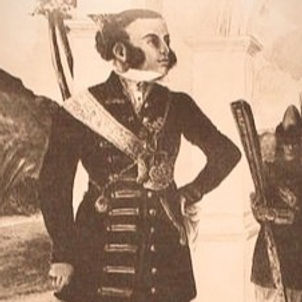
Mudaliyar
Illustration. Mudaliar and Lascorin by Van Dort. Public Domain.
A Sinhala term for a chief headman, most typically empowered under British rule as the administrator of a Korale, or revenue district.

Muhandiram
Illustration. Madige Muhandiram Families from Ibbagamuwa. Public Domain.
A Sinhala term for the Kandyan kingdom’s head of revenue, a title later used more widely under British rule within the colonial administrative hierarchy.

Munster's Woodcut Of Sri Lanka
Illustration. Early woodcut of Sri Lanka (Ceylon) Sebastian Münster, 1542 c. Public Domain.
Munster was a true Renaissance polymath: a theologian, mathematician and linguist as well as an important cartographer. He is famous for his 1540 edition of Ptolemy's Geographia and his own Cosmographia, published in 1544. Both works went into several editions during Munster's lifetime and continued to be published posthumously. Born in Ingelheim, Germany, in 1489, Munster studied first at Heidelberg under the Franciscans. There he met Martin Luther and was converted to Protestantism. Moving on to Tubingen, he learned Greek from Luther's assistant, Melanchthon, and mathematics and astronomy under Stoffler, continuing his study of the latter in Vienna. His scholastic achievements were noted by the Swiss reformer, Johann Oecolampadius, who recommended him to teach Hebrew at the University of Basle, a position he held from 1529 until his death in 1552. Even while studying in Heidelberg, Munster had engaged in a cartographical project. His first map of Germany, was printed in 1525. A few years later he married the widow of his printer, Adam Petri, thus cementing his partnership with the prestigious Basel printing firm. His stepson, Heinrich, subsequently published most of his work. Among the leading cartographers of the sixteenth century, Munster had probably the greatest influence in spreading geographical knowledge across Europe. His Cosmographia contained both up-to-date maps and views and an encyclopaedic range of information on the known world: it was probably one of the most widely read books of the age. He was also the first to produce separate maps of the four known continents, and the first to produce a separate map of England. His early woodcut of Sri Lanka was published in “Geographia Universalis" and contained a description of pepper and illustration of an elephant. On its verso, the work of printmaker Hans Holbein the Younger in the block title cartouche can be observed.

Mutasiva, King of Anuradhapura
Illustration. Thuparamaya Dagoba, Sri Lanka. Public Domain.
The eighth monarch of the Vijayan Period (543 BCE - 66 CE), with a reign of 367 BCE – 307 BCE. Inheriting the throne from his father, Pandu Kabhaya, or possibly from the shadowy King Ganatissa, who may have been his brother, father or merely a figure of antique fiction, Mutasiva was to rule as the second king of Anuradhapura until his death, peaceably, in 307 BCE. Little is known about his reign, except for his enlargement of Mahamevnāwa, an enormous park in Anuradhapura noted for its flowering trees and fruit. Mindful of his dynastic obligations to the Vijayan, Mutasiva produced nine sons, 5 of whom would rule after him. His own long reign would have done much to help entrench the Viyan dynasty’s early grip on the island.

N, n

National Flag
Image. Public Domain.
The Sri Lankan lion became extinct some 37,000 years ago, yet it still dominates the current national flag. Quite possibly, an earlier design of the lion flag travelled here as Prince Vijaya's standard in 486 BC. It was used thereafter right across the country’s many kingdoms, including those of Sitawaka, Kotte and Kandy – but not by the Portuguese, Dutch or British colonists. It was returned to Independence in 1948, when a simple design of a yellow knife-wielding lion within a yellow frame on a red background was adopted, the corners decorated with Bo leaves. Its current design dates to a significant revision in 1972, when many symbols joined the lion, as in a metaphysical painting.
Minorities are represented in the orange (Tamil) and green (Moor) stripe, and the yellow border (Malays, Burghers, Veddas, Kaffirs and the Sri Lankan Chinese). The Singhala occupy the overall maroon background. Four expectant Bodhi-tree leaves highlight the virtues of loving-kindness, compassion, sympathetic joy, and self-control. The saffron border depicts unity. The lion itself is scattered with more profound meaning: intelligence (nose), purity (beard); a non-materialist outlook (front paws), hair (wisdom), and the Noble Eightfold Path (tail hairs). His sword stands for national sovereignty – but also water, fire, air, and earth.
During the height of the Civil War, in 1867, individual flags were adopted for each of the country’s provinces. A golden bird, lion, and cobra feature on the Western Province flag, decorated with bo tree leaves and the four attributes of Buddhism. A lion with fig leaves dominates the flags of both the Sabaragamuwa and Southern Provinces, and a lion with fig leaves and lotus flowers dominates the flag of the Central Province. A buffalo with sun, moon and stars is displayed on the North Western Province’s flag; a swan on Uvas’; and a fish, lion and eagle for the Eastern Province. The flag of the North Central Province is notably different from all others, featuring the first stupa in ancient Anuradhapura and an image of King Parakramabahu the Great from Polonnaruwa. A greater degree of abstraction characterises the flag of the Northern Province: blocks of red (Hinduism), white (peace), and green (agriculture), framed by a blue border representing the sea.

Negombo Canal
An illustration of a photograph by Alfred William Amandus Plate of the Negombo Canal showing Padda Boats between 1890-1910. Public Domain.

Niliya, King of Anuradhapura
Illustration. Half-moon Rock & Ancient Ruins of Sri Lanka 1900s. Sandakada Pahana. Public Domain.
The thirty-third (interloper) monarch of the Vijayan Period (543 BCE - 66 CE), with his reign dating to sometime around 47 to 44 BCE. A palace priest, Niliya, was placed on the throne of Anuradhapura in 47 or 44 BCE by his terrifying lover, the widowed Vijayan Queen, Anula. Anula had come into her inheritance by murdering five earlier monarchs: her husband Choura Naga, the twenty-eighth King of Anuradhapura; his successor, Choura Naga, the twenty-ninth monarch; and her last three lovers, Siva I, the thirtieth monarch, Vatuka, the thirty-first monarch, and Darubhatika Tissa, the thirty-second monarch. Within a year, Anula had Niliya poisoned, too.

Nuwara Eliya Golf Club, The
A photograph by Alfred William Amandus Plate entitled "18th Hole and Club House Golf Links Nuwara Eliya Elevation 6200 Feet" dating to 1890-1910. Public Domain.

O, o

P, p

Pandu Kabhaya, King of Anuradhapura
Illustration. The statue of a soldier or cavalry officer at the hillock at Isurumuniya , with a Mare cetiya is believed to be King Pandukabaya with his beloved mare Cetiya overlooking Anuradhapura. Public Domain.
The sixth monarch of the Vijayan Period (543 BCE - 66 CE), reigning from 437 BCE to 367 BCE. Barely 100 years into their first royal dynasty, Sri Lanka had the tremendous good fortune to encounter Pandu Kabhaya - one of its most fabulous kings. Inheriting, at best, a kinglet, he passed on to his Vijayan successors a fully functioning kingdom that, for over a century, became a byword for opulence, sophistication, and progress. Pandu Kabhaya’s (improbably long) 70-year reign would have come as a blessed relief to family and subjects alike after a prolonged and murderous run of dynastic squabbling. This stemmed from his military campaign to wrest the kingdom of Upatissa Nuwara from his uncle, Tisa. A smart intelligence helped him see off repeated pre-ascension assassination attempts on his young life by his uncle Tissa. He won a total victory by 437 BCE, quite probably defeating or killing all but one of his other eight uncles in the process, putting the oldest, the ex-king Abhaya, to work in his civil administration.
Pandu Kabhaya then set in train the real beginnings of the Anuradhapura Kingdom when he moved his capital to that site and, in Louis XIV-style, began building. Anuradhapura was then already some 200 years old and covered over 20 acres. Pandukabhaya took it to still greater heights. His efforts harnessed the country’s expertise in all areas of professionalism - from farming and engineering to administration and construction. By creating an unrivalled capital city, he was able to use it to project his dominance throughout the entire island. Documented remains of an excellent survey he conducted to assess his kingdom show some 700 villages spread across the island, from the city of Anuradhapura, across land described as Raja Ratna – the King’s country.
This ascendancy took the Vijayans time to foster, and for several centuries the kingdom co-existed with other smaller realms to the east and south before it was able to assert its preeminence. Anuradhapura was to become one of the world’s oldest continuously inhabited cities – and, for 1,500 years, the capital of the island state. Pandu Kabhaya was to give it its first palaces, new temples, pools, stupas, gardens, and dwellings. Nor did he appear to neglect the utilitarian, building hospitals, cemeteries, sewers, and, in a marvellous feat of ancient engineering, constructing bisokotuwas to regulate the outflow of water from tanks and sluices, thereby securing them against destruction in the annual floods. From the start, Pandu Kabhaya’s rule respected his Vedda allies, the Yakkhas, Cittaraja and Kalavela, clans of the island’s earliest original inhabitants. The Mahāvaṃsa records his beneficial diligence:
“He settled the Yakkha Kalavela on the east side of the city, the Yakkha Cittaraja at the lower end of the Abhayatank…and on festival days he sat with Cittaraja beside him on a seat of equal height, and having gods and men to dance before him, the king took his pleasure, in joyous and merry wise. He also laid out four suburbs as well as the Abhaya-tank, the common cemetery, the place of execution, and the chapel of the Queens of the West, the banyan-tree of Vessavana and the Palmyra-palm of the Demon of Maladies, the ground set apart for the Yonas and the house of the Great Sacrifice; all these he laid out near the west gate. He set 500 candalas to the work of cleaning the town, 200 candalas to the work of cleaning the sewers, 150 candalas he employed to bear the dead and as many candalas to be watchers in the cemetery. For these, he built a village north-west of the cemetery, and they continually carried out their duty as it was appointed. Toward the north-east of the Candala village, he made a cemetery, called the Lower Cemetery, for the Candala folk. North of this cemetery, between the Pasana-mountain, the line of huts for the huntsmen was built thenceforth. Northward from thence, as far as the Gamani-tank, a hermitage was made for many ascetics; eastward of that same cemetery, the ruler built a house for the Nigantha Jotiya. In that same region dwelt the nigantha named Giri, along with many ascetics of various heretical sects. And there, the lord of the land also built a chapel for the Nigantha Kumbhanda. Toward the west from thence and eastward of the street of the huntsmen lived five hundred families of heretical beliefs. On the further side of Jotiya’s house and on this side of the Gamani tank, he likewise built a monastery for wandering mendicant monks, and a dwelling for the ajivakas and a residence for the brahmans, and in this place and that, he built a lying-in shelter and a hall for those recovering from sickness. Ten years after his consecration, Pandu Kabhaya, the ruler of Lanka, established the village boundaries over the whole of the island of Lanka.”
Trade thrived exponentially, and there are even intriguing hints, documented by The Journal of the Royal Asiatic Society of Sri Lanka, of a small group of Greek merchants living in the royal city itself. Credited with ending the guerrilla warfare that marked the resistance of the original island dwellers against the Vijayans, Pandu Kabhaya’s reign not only brought stability but bequeathed future constancy to the island, as his own son, Mutasiva, came peaceably to the throne in 367 BCE on his death.

Pandu, King of Anuradhapura
Illustration Credit: Fish Symbol - Later Pandya Collapsed Architectural Engineering Adinarayana Perumal Temple In Madurai Ground Report By S Rajagopal
The first of the Six Dravidian invaders of the Pandiyan Dynasty of South India, and the 72nd recorded monarch in Sri Lanka in the line running from Prince Vijaya (543 BCE). Leading a confederation of Pandiyan forces from South India, he seized the throne from the reigning Anuradhapura king, Mittasena, who was to become the twenty-sixth and last monarch of the Lambakanna Dynasty (1st Period). Decades of political turmoil and internecine regicide had numbed Mittasena’s kingdom, lowering its defences and its capability to meet any invader, let alone govern effectively. Mittasena, by all accounts, was a deeply devout king, more given to religion than to warfare. He enjoyed his throne for just a year before being killed in battle by Pandu. Pandu himself is thought to have been the 35th Sri Lankan monarch to die a natural death, with his reign dating to 436 – 441 CE.

Panduvasdeva, King of Upatissa Nuwara
Illustration. Vijithapura. Public Domain.
The third monarch of the Vijayan Period (543 BCE - 66 CE), reigning from 504 BCE to 474 BCE. Nephew of Vijaya, King of Tambapanni, the Vijayan dynasty’s founding father, Panduvasdeva, was just what the nascent Vijayan dynasty needed to entrench itself. His most outstanding achievement was ruling for decades and producing heirs - albeit ones fixated on familicide. Whether his many sons all came from the same wife is unknown, for the harem was to be a key institution of the royal court and a magnet for intrigue and politics until the last king of the previous kingdom breathed his last. Panduvasdeva moved his capital from Upatissa Nuwara to the fortress of Vijithapura, near what would later become his significant capital, Anuradhapura. Today, he is chiefly remembered for the chaos that later enveloped the country as his 10 sons battled against the morbid predictions of a court soothsayer who predicted that they would all be killed by their nephew, Pandu Kabhaya, son of their only sister, Princess Citta.

Panya Mara, King of Anuradhapura
Illustration. Twin fish flag of the Pandyas. Public Domain.
The twenty-fourth (invader) monarch of the Vijayan Period (543 BCE - 66 CE), with a reign of 98 BCE – 91 BCE. One of 7 Dravidian chiefs from the Indian Pandyan Dynasty who forcibly took the Anuradhapura Kingdom from its barely established new ruler, King Valagamba, in 103 BCE, Panya Mara became king of Anuradhapura in 98 BCE by the simple expedient of murdering his Dravidian master, Bahiya. He has previously served him as the chief minister. Much of his own short rule was dealing with threats to his own safety – from the avenging Valagamba - busy waging an ever more successful guerrilla war from the south - and from his own Dravidian colleagues, one of whom, Pilaya Mara, was to murder him.

Parakramabahu the Great
Illustration show the famous statue of Parakramabahu the Great in Pollonnaruwa, taken by an unknown photographer at the turn of the century. Public Domain.

Paraveni
Image. Public Domain.
A Sinhala term for hereditary property, also known as pamunu.

Parindu, King of Anuradhapura
Illustration Credit: a reproduction of the Pandyian flag by Kiru-D-Kong
The 2nd of the Six Dravidian invaders of the Pandiyan Dynasty of South India, and the 73rd recorded monarch in Sri Lanka in the line running from Prince Vijaya (543 BCE). Parindu inherited the throne from his father, Pandu, who appears to have died a natural death. But this was not to be the fate of his son. Parindu was murdered by his brother and successor, Khudda Parinda, becoming the 35th reigning Sri Lankan monarch to have been murdered for the succession after a reign of under a year (441 CE).

Pattu
Illustration. Public Domain.
A Sinhala term for the subdivision of a korale, which is part of the administrative unit of a province.

Paumbum Passage, The
Illustration. Chart of the Palk Strait (Paumbum Passage) Royal Geographical Society (RGS), 1834. Public Domain.
In 1830, barely a decade after Kandyan Convention brought to an end the last independent kingdom on the island, the, Royal Geographical Society commissioned a remarkably detailed sea chart of the Palk Strait, known then as the Paumbum Passage that depicted in fine measure the shallow sea between India and Sri Lanka - "Adam's Bridge".

Peninsular and Oriental Steam Navigation Company (P&O), The
An illustration by Percy Macquoid, entitled "For the Shore a - Sketch in Colombo Harbour" from the 1890s. Public Domain.
An illustration by Percy Macquoid, entitled "For the Shore a - Sketch in Colombo Harbour" from the 1890s. Public Domain.
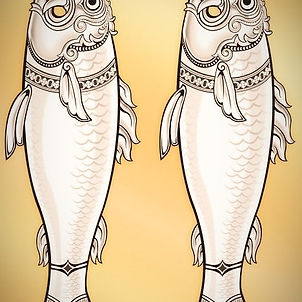
Pilaya Mara, King of Anuradhapura
Illustration. Twin fish flag of the Pandyas. Public Domain.
The twenty-fifth (invader) monarch of the Vijayan Period (543 BCE - 66 CE), with a reign of 91 BCE – 90 BCE. One of 7 Dravidian chiefs from the Indian Pandyan Dynasty who forcibly took the Anuradhapura Kingdom from its barely established new ruler, King Valagamba, in 103 BCE, Pilaya Mara became king of Anuradhapura in 91 BCE by the simple expedient of murdering his Dravidian master, Panya Mara. He had previously served as his chief minister. Much of his own blink-short rule was spent dealing with threats to his own safety – from the avenging Valagamba - busy waging an ever more successful guerrilla war from the south - and from his own Dravidian colleagues. It is unclear whether he met his own death at the hands of his chief general, Dathika, who would succeed him, or Valagamba himself, whose military successes were at last lapping over closer to the gates of Anuradhapura itself.

Pingo Carrier
An illustration of a photograph by Alfred William Amandus Plate of a Pingo Carrier in the 1890s. Public Domain.

Pithiya, King of Anuradhapura
Illustration. Reproduction of the Pandya flags courtesy of Tamil and Vedas. Public Domain.
The last of the Six Dravidian invaders of the Pandiyan Dynasty of South India, and the 77th recorded monarch in Sri Lanka in the line running from Prince Vijaya (543 BCE). Pithiya’s relationship with the previous king, Dathiya, is unknown, but the kingdom he gained was little more than a poisoned chalice. The boundaries of his Anuradhapura Kingdom had already begun to shrink alarmingly in the wake of the rebel attacks led by Dhatusena, a Sri Lankan Moriyan leader who had corralled opposition to the invaders from his base in the south of the island. Pitjiya’s reign (450 – 452 CE) would have been filled with war and slaughter as he tried unsuccessfully to resist a resurgent Sir Lankan rebel force. He was to die in battle after just two years on the throne, the 11th reigning Sri Lankan monarch known to have been killed in this manner. After his death, the gains made by Dhatusena continued, and within two to three years, he was sufficiently confident of his position to declare himself the new King of Anuradhapura.

Plakaats
Illustration. A Dutch VOC insignia. Public Domain.
A Dutch term to describe the proclamations of the VOC.

Police Vidana
Illustration. Sri Lankan police uniforms from 1815 to 1979. Public Domain.
A Sinhala term that most typically describes an unpaid village headman responsible for law and order.

Porcacchi’s Early Map Of Sri Lanka
Illustration Public Domain.
Tommaso Porcacchi (1530-1585) was an Italian humanist, geographer, translator, and author, chiefly remembered for his atlas. As a young man, he studied in Florence under the patronage of Duke Cosimo I. In 1559, he moved to Venice, translating works from Latin and Greek into Italian, on behalf of publishers including Ludovico Domenichi and Giolito de Ferrari. His treatise on the islands of the world included some of the very earliest maps and plans of the new world, including North America, Mexico, and Temistitan, the Aztec capital of Tenochtitlan. His 1604 map of Ceylon is one of the earliest Italian maps of the island.

Prehistory of Sri Lanka, The
Illustration. A cluster of ‘man & elephant’ compound in triplicated by different hands at the cave in Hulannuge. Picture courtesy of Raj Somadeva, PhD, Senior Professor in Archaeology, Postgraduate Institute of Archaeology, University of Kelaniya, Sri Lanka.
Sri Lanka’s first Palaeolithic and later Mesolithic settlers most probably arrived on the island by simply walking across Adam’s Bridge from the Indian sub-continent. Since Jurassic times (200-167 million years BCE), Sri Lanka had, as part of India, broken off from the great Gondwana supercontinent that had been formed in the Triassic era (300 – 200 million years BCE). Adam’s Bridge became the sole point of access to the far south, but by 7,500 BCE, it was almost impassable. Beguiling hints of these earliest inhabitants are still only just emerging.
Excavations conducted in 1984 by Prof. S. Krishnarajah near Point Pedro, northeast of Jaffna, revealed Stone Age tools and axes dating to between 500,000 and 1.6 million years ago. As the fossil record demonstrates, the land they inhabited was ecologically richer and more dramatic than it is today, teeming not simply with the wildlife still found in Sri Lanka, but also with hippopotamus and rhinoceros. Hundreds of millennia later, one of their Stone Age descendants left behind the most anatomically perfect modern human remains yet uncovered on the island. Balangoda Man, as he was to be named, was found in the hills south of Horton Plains inland from Matara, a short walk from the birthplace of Sirimavo Bandaranaike. His complete 30,000-year-old skeleton is bewitchingly life-like. Probing his remains, scientists have concluded that Balangoda Man and his heirs were eager consumers of raw meat, from snails and snakes to elephants. And artistic too, as evidenced by the ornamental fish bones, sea-shell beads, and pendants left behind.
All across the island, similar finds are being uncovered, pointing to a sparse but widespread population of hunter-gatherers, living in caves – such as Batadomba in Kuruwita (29,000 BCE – 9,000 BCE), Aliga (8,000 BCE) and Beli-lena in Kitulgala (28,000 BCE – 1,500 BCE). The tools and weapons found in these caves, made of quartz crystal and flint, are well ahead of such technological developments in Europe, which date from around 10,000 BCE, compared to 29,000 BCE in Sri Lanka. Later evidence indicates that Stone Age hunter-gatherers then made the transition to a more settled lifestyle, growing oats and barley, at least by 17,000-15,000 BCE, on what is now Horton Plains, thousands of years before it began in that fulcrum of early global civilisation - Mesopotamia. Astonishingly, their direct descendants, the Veddas, are still alive today, making up less than 1% of the island’s total population, an aboriginal community with strong animist beliefs that has, against the odds, retained a distinctive identity. Leaner, and darker than modern Sri Lankans, their original religion - cherishing demons, and deities - was associated with the dead and the certainty that the spirits of relatives killed can cause good or bad outcomes. Their language, unique to them, is now almost – but not quite - extinct. And perhaps it was the Vedda or their spirits that Fa-Hsien, the 5th-century CE traveller, had in mind when he conjured up his fable of early Sri Lanka in his book “A Record of Buddhistic Kingdoms.”
“The country originally had no human inhabitants, but was occupied only by spirits and nagas, with which merchants of various countries carried on a trade. When the trafficking was taking place, the spirits did not show themselves. They set forth their precious commodities, with labels of the price attached to them; while the merchants made their purchases according to the price, and took the things away.“
Fa-Hsien’s colourful travelogue shows just how readily the early origins of the country depend on myth and fable. Centuries passed before there were finally tantalising hints of the Stone Age’s transition into the Iron Age, and with it, more evidence of new waves of colonisation from India into the island. As new travellers arrived from the sub-continent, Balangoda man and his ancestors were pushed into the more inaccessible parts of the country, especially the rainforests of Sabaragamuva, a small part of which, Sinharaja Forest Reserve, miraculously survives in its original state today. Using the advanced technology of the Iron Age, the new colonists were able to clear land and plant crops, mine for metals like copper, and even establish pearl fisheries.
By 1,500 BCE, there is evidence of cinnamon being exported to the ancient Egyptians. A series of major excavations in Anuradhapura dating to around 900 BCE has uncovered abundant treasure, including artefacts that show the use of iron, the domestication of horses and cattle, the use of high-quality pottery and possibly even the cultivation of rice. The settlement was significant – even by today’s standards: 4 hectares. Other equally large settlements undoubtedly still await discovery. One that has already been unearthed and studied is the burial mound at Ibbankutuwa near Dambulla that dates back to around 1,000 BCE. Here, a wealth of pottery vessels interred with the dead contain ornaments of bronze and copper, beads, and, most interesting of all, stones such as carnelian and onyx that could only have come to the island from India.
Other such sites exist in places like Padiyagampola and Jamburagala in Yala. By the early 7th century BCE, evidence of the Brahmi script in an early form of Sinhala appears. Inventive, adaptive, increasingly sophisticated - urban living was arriving, whether as an independent island-wide development or through the rapid spread of urbanised culture from India, still using Adam’s Bridge as a convenient thoroughfare - is still the stuff of impassioned academic debate. Either way, the evolutionary ball was rolling like never before. From urban living came city-states. And into one of these, in 543 BC, stepped the Indian Prince, Vijaya, to found the country’s first fully recorded royal dynasty.

Pulahatta, King of Anuradhapura
Illustration. Reproduction of the Pandya flags. Public Domain.
The twenty-second (invader) monarch of the Vijayan Period (543 BCE - 66 CE), with a reign of 103 BCE – 100 BCE. One of the 7 Dravidian chiefs from the Pandyan Dynasty, in South India, Pulahatta seized the throne from the reigning Anuradhapuran king, Valagamba, in 103 BCE. His successes in winning himself a kingdom would have come with troubling ease, for Anuradhapura had been seriously weakened by decades of misrule, drought, and plague. Valagamba himself had only been king for a few months before being ousted. But the defeated king smartly managed to avoid death, fleeing south to the relative safety of Ruhana and leaving the new Pandyan interlopers to loot within the much-reduced boundaries of the Anuradhapuran Kingdom. One of Pulahatta’s most significant and (as it turned out) ruinous decisions was to appoint his fellow Dravidian chief, Bahiya, as his chief minister, for by 100 BCE, Bahiya had murdered Pulahatta.

Purana Village
Illustration. Public Domain.
A Sinhala term for an ancestral village or a village with a long and ancient history.

Puranas
Illustration. A hoard of Silver Kahapanas found at Tissa, South Sri Lanka, containing many coins attributed to the Chandragupta period. Public Domain.
A Sinhala term, the very earliest coins – small, oval, oblong and square - were in circulation on the island until about the 2nd century CE.

Q, q

R, r

Railway, Kandy-Colombo
Illustration by an unknown English Photographer of Construction of the Kadugannawa Railway Incline in 1866 on the Colombo-Kandy line. Public Domain.

Rajakariya
Illustration. Degaldoruwa Cave Frescoes Public Domain.
A Sinhala term from the Kandyan kingdom for the service due to a king or temple. Under British rule, it came to describe compulsory service to the state more generally.

Ratemahatmaya
Illustration. Ratamahatemeya Kandyan Chief Public Domain.
A Sinhala term from the Kandyan kingdom to describe the chief of a district.

Russian, Tsar
Illustration by Walter Paget of the Reception of the Czarevitch at Colombo passing under Triumphal Arches with the Governor in 1891. Public Domain.

Ruwanwelisaya Stupa, The
Illustration of a photograph of the Ruwanwelisaya Stupa. Public Domain.

S, s

Saddha Tissa, King of Anuradhapura
Illustration. Skeen & Co. Steps of Kings Pool, Anuradhapura. Public Domain.
The seventeenth monarch of the Vijayan Period (543 BCE - 66 CE), with a reign of 137 BCE – 119 BCE. Inheriting the throne in 137 BCE from his brother, King Dutugemunu, Saddha Tissa moved to the Vijayan capital at Anuradhapura from his own more modest kingdom of Digamadulla, Sri Lanka’s present-day eastern province. In so doing, he united Anuradhapura and Ruhuna with the east to cast Vijayan dominance across nearly the entirety of the island. Almost nothing is known about his reign except for the fact that he obligingly built a temple – the Dighavapi vihara in Ampara – and, perhaps more usefully, a tremendous water tank, the Duratissa Reservoir, which held 336 million cubic feet of water. His death in 119 BCE set a pattern for family politics that ultimately led to the downfall of the entire Vijayan dynasty.

Salagama
Illustration. Cinnamon baling process for export; a picture from the Colonial era. Public Domain.
A Sinhala term for the Sinhalese caste of cinnamon peelers.

Sangha Tissa I, King of Anuradhapura
Illustration: A Lakshmi Plaque coin showing on the obverse the Goddess Lakshmi facing, being showered by two mini elephants atop of poles; and on the reverse: a clockwise revolving Swastika tree. The coin was in circulation in Anuradhapura from 20 BCE to 297 CE, including during the reign of Sangha Tissa I, King of Anuradhapura. Image courtesy of CoinTalk.
The fourteenth monarch of the Lambakanna Dynasty (1st Period) (66 CE – 436 CE), and the 59th recorded monarch in Sri Lanka in the line running from Prince Vijaya (543 BCE), his reign dates to 248 – 252 CE. Sangha Tissa was said to be one of three murderous plotters intent on claiming the throne, the other two being Siri Sangha Bodhi I and Gothabhaya. Relatives, though likely from the poorer side of the Lambakanna Dynasty, conspired to assassinate the king, Vijaya Kumara, who was then barely into his second year of kingship. Inter-competiting family politics, whose gossamer threads, alliances, betrayals, and intrigues are now lost to the historical record, must have propelled this sinister alliance. But it was not to do Sangha Tissa much good. Murder, as Agatha Christie famously noted, becomes something of a habit. Sangha Tissa was himself to fall to it when the second of the three plotters, Siri Sangha Bodhi, murdered him, giving him the unwanted kudos of being the 30th reigning Sri Lankan monarch to have been murdered for the succession, after a rule of just four years.

Sannas
An historical Sinhala term for royal grants, most typically made by inscription on copper plates.

Sasseruwa
Illustration. Sasseruwa Buddha Statue. Picture courtesy of Lakpura.
Picture this: a small road, cutting through jungle and hills far north of Dambulla, going nowhere special. In between rocky outcrops and volcanic tree roots lie the many scattered remains of stupas, moonstone entrances to lost sacred rooms, antique inscriptions, cave cells for over 100 hermetic monks, and the many linked buildings and structures for a substantial monastery. Welcome to Sasseruwa, famous - when there was a collective memory for such things - for its massive (almost 12 metre) standing statue of Lord Buddha. It rises, dwarfed by a vast overhead rock canopy, unfinished, much weathered, but resiliently present, one in a style of increasingly few similar examples of rock-carved Buddhas left around the world since the Taliban decided to blow their own up in faraway Afghanistan. Once so important as to merit one of the actual saplings of the Sri Maha Bodhi tree, a meeting place for kings and armies, a sanctuary for the avenging Anuradhapuran king, Valagamba in the 1st BCE, Sasseruwa is today almost entirely forgotten.

Sena and Guttik, Kings of Anuradhapura
Illustration. A cavalry officer sculpture found at Anuradhapura. He carries a Sword and a Circular shield, has chains and amulets around his body as protection. Public Domain.
The thirteenth (invader) monarchs of the Vijayan Period (543 BCE - 66 CE), with dates of reign 237 BCE – 215 BCE. In 237 BCE, a couple of opportunistic Tamil horse traders, Sena and Guttik, spotted the ultimate commercial opportunity (a kingdom) in the weak rule of the Vijayan King, Surathissa. The traders appear to have met little resistance in conquering Anuradhapura and slaughtering its ineffectual king. They were to rule it for 22 years, the first of a succession of Tamil invaders, before themselves being ousted and killed by Asela in 215 BCE, a son of a previous king of Anuradhapura, Mutasiva.

Sigiriya Fortress
Image. The Lion Rock, Sigiriya 9 February 1868. Watercolour by Stanley Leighton. Public Domain.
Used since prehistoric times and now one of the country’s seven World Heritage Sites, Sigiriya is known mainly for the palace built by the regicidal King Kasyapa in the fifth century CE. But like all great fortresses, it evolved. Professor Senake Bandaranayake, who has worked on the site for over twenty years, notes that it “has a very complex rampart system. The city was walled and moated. Besides the inner and outer cities within the ramparts, there is evidence of suburban dwellings immediately outside the walled area. The complex is three kilometres from East to West and one kilometre from North to South. It speaks of grand urban planning. A brilliant combination of a geometric square module and natural topography.” The architects and engineers at the time took care to incorporate nature and never to deny it. Existing lakes, rocks and hills were cleverly woven into the general plan.“ Sitting atop a two-hundred-metre rock that dwarfs the flat plains beneath, it is everything a fortress should be – even with its own water supply. On Kasyapa’s death, probably at the hands of his half-brother Moggallana, who arrived with a borrowed Tamil army and managed to entice his brother out to battle, the fortress was given over to monks, and little more is recorded of its more military functions.

Siri Naga I, King of Anuradhapura
Illustration Credit: Sgteps to the Jaya Sri Maha Bodhi, said to be built by Siri Naga, King of Anuradhapura, from an illustration dating to 1891
The ninth monarch of the Lambakanna Dynasty (1st Period) (66 CE – 436 CE), and the 54th recorded monarch in Sri Lanka in the line running from Prince Vijaya (543 BCE), his reign dates to 196 – 215 CE. Siri Naga gained the throne by murdering his brother, Kuda Naga, himself a regicide. And with his ascension, it seemed as if the Lambakarna Regicide Game had fizzled out. Indeed, for the next 41 years, family politics took a backseat to good governance. Siri Naga was to reign for 20 years. He even found time and resource to make good some of Anuradhapura’s most famous buildings - the great stupa of Ruwanweliseya, said to house more of Lord Budda’s relics than anywhere else in the world; the famous Brazen Palace with a roof of bronze tiles, the tallest structure on the island, and a fine new set of stone steps leading to the sacred Bo tree itself. When Siri Naga died in 215 CE (the 25th reigning Sri Lankan monarch to die a natural death), his son Voharika Tissa took the throne.

Siri Naga II, King of Anuradhapura
Illustration: Yala in Ruhana, the out-of-reach sub kingdom where Siri Naga II, King of Anuradhapura was to lie low and safe. Image courtesy of Nerd Nomads.
The twelfth monarch of the Lambakanna Dynasty (1st Period) (66 CE – 436 CE), and the 57th recorded monarch in Sri Lanka in the line running from Prince Vijaya (543 BCE), his reign dates to 245 – 247 CE. The son of King Voharika Tissa, he was more than a little put out by how his side of the family had been put through the wringer of hell by his uncle, for his uncle was the reigning king, Abhaya Naga, a man who had managed not just to cuckold his brother, but also to assassinate him, too, before having the unfair temerity to die a natural death after an eight-year reign. News of his death was rushed to the Ruhuna redoubt in southern Sri Lanka, where the writ of Anuradhapura often failed to leave but the faintest of traces. Here, Siri Naga, Ahaya Naga's embittered nephew, had been holding out since his father’s murder. Claiming his rightful inheritance, the new king hastened back to Anuradhapura to take the throne as King Siri Naga II. Sadly, he was to enjoy just three years of kingship. His death in 247 CE was also apparently natural (the 27th Sri Lankan monarch to die so), and he was succeeded by his own son, Vijaya Kumara.

Siri Sangha Bodhi I, King of Anuradhapura
Illustration: The archaeological site of Hatthikuchchi (fromerly named Rayangana after the nearby village) believed to be the location of the royal self-decapitation of Siri Sangha Bodhi I, King of Anuradhapura. Image courtsey of Ruta Chile
The fifteenth monarch of the Lambakanna Dynasty (1st Period) (66 CE – 436 CE), and the 60th recorded monarch in Sri Lanka in the line running from Prince Vijaya (543 BCE), his reign dates to 252 – 254 CE. One of three plotters (the other two being Gothabhaya and Sangha Tissa I), Siri Sangha Bodhi had made his own exceptional contribution to killing the then king, Vijaya Kumara, in 248 CE. Like his co-conspirators, he was a paid-up member of the Lambakanna Dynasty, albeit from one of its less glamorous branches. His regicidal ambitions would have been propelled by the Knossonian alliances and betrayals that now so deeply coloured family politics, creating a family that would reframe most regular definitions of dysfunctional. His own route to the throne was also regicide, his predecessor, Sangha Tissa I, being murdered after just four years on the throne. Despite his earlier handiwork, the Mahavaṃsa takes a gentle and forgiving tone toward him, his devotion to Buddhism so absolute that he refused to execute criminals. Facing a rebellion by the third plotter, Gathabhaya, he voluntarily abdicated and retired to the forest to live as an ascetic after a reign of just three years in 253 CE. And in the end, both grisly, contradictory, and anatomically impressive, he then decapitated himself to enable a poor peasant to collect the bounty on his head, bringing to an end nearly sixty years of royal knockabout.

Sirimeghavanna, King of Anuradhapura
Illustration Credit: The Isurumuniya in which Sirimeghavanna, King of Anuradhapura lodged the Tooth Relic when it arrived in his kingdom. A 19C photograph courtsey of the Royal Asiatic Society.
The nineteenth monarch of the Lambakanna Dynasty (1st Period) (66 CE – 436 CE), and the 64th recorded monarch in Sri Lanka in the line running from Prince Vijaya (543 BCE), with a reign of 304 - 332 CE. Sirimeghavanna inherited his throne peacefully and continued his father’s late religious policies of appeasement, going out of his way to make good any damage to Theravada Buddhism, building or repairing stupas and temples. He was also to benefit from the unexpected arrival in his Kingdom of the sacred relic of the tooth of the Buddha, which was brought to Sri Lanka when a series of wars broke out in India. It was enshrined in the Isurumuniya Temple in Anuradhapura. His death in 332 CE made him the 31st Sri Lankan monarch to die a natural death. By now, the Lambakanna Dynasty was fully recovered from the regicidal tendencies that had rocked both it and the country, and its kingdom was able to enjoy a much-needed period of calm and good governance.

Sitawaka Fort
Image courtsey of Amazing Lanka.
Following a most successful regicidal patricide, the Sitawaka kingdom was carved out of the Kotte kingdom and, for a while, was the scourge of both the Kandyan kings and the new colonialists. The kingdom was destined to last for but a short time, and today almost nothing remains of either the palace or the fort constructed by Mayadunne, its inaugural king. The Portuguese captured the kingdom and reduced the fort to a smaller garrison before the British later reused all its stones to build a rest house.
Even so, Dr John Davy, the surgeon and physician of Governor Brownrigg, was to write in 1821 in his book “An Account of the Interior of Ceylon, and its Inhabitants: “Sittawakka, once a royal residence and a place of considerable consequence, is now merely a name. No traces of what once was are now to be seen by the traveller passing along the road, and for a considerable time, none were supposed to exist. Lately, some building remains have been discovered. In June 1819, when travelling this way for the third time, I was conducted by the natives to an old fort concealed by wood, situated on the tongue of elevated ground formed by the confluence of a small, deep stream with the river. I went in a boat and ascended from the river by a short flight of hewn-stone steps, and after walking about 100 yards, came to the building, which I found to be nearly square, formed of three walls, one within the other, thus. The walls were of Kabook, as the natives call the stone, and in this instance, as in most others, appeared to be clay strongly impregnated with red oxide of iron, to which, probably, it owes its property of hardening by exposure to the atmosphere. The outer wall was between eight and ten feet high and six and eight feet wide. It was widest at its angles, where it communicated with the enclosure by steps. Between this wall and the next, the distance might be twenty-four or thirty feet; the space was overgrown with bushes. Here I observed a deep, well-made, and its sides lined with masonry. The inner enclosure was probably roofed and was the donjon-keep of the fortress. There were no marks of its having been divided into different compartments, and indeed, it was hardly enough to admit of it. Natives who call these ruins Kotuwa (a fort) have a tradition, which is probably correct, that it was built and occupied by the Portuguese when the neighbourhood was the arena of bloody contention between these bold invaders and the princes of Sittawakka. The nature of the building, the circumstances of there being a good well within its walls, its situation on the Columbo side of the river and nearly opposite to the spot on which there is reason to believe the palace and the town of Sittawakka formally stood, seem to be proof of the correctness of the tradition. Be this as it may, the ruin was not uninteresting. And might have been worth preserving; I say might, – knowing that the work of destruction has commenced and that the walls which two centuries, at least, had spared, have been pulled down either in part or entirely, and their stones removed to build a new rest-house. The curious traveller may complain of this measure; whilst the indolent one will bless his stars for being saved the trouble of forcing his way through the thickets to see an old ruin, the material of which, newly arranged, affords him a comfortable shelter.”
Today, all that remains are a few mounds of earth that the Archaeology Department are valiantly excavating.

Siva I, King of Anuradhapura
Illustration. Skeen & Co. Ruins of the Bathing Pool, Anuradhapura. Public Domain.
The thirtieth (interloper) monarch of the Vijayan Period (543 BCE - 66 CE), with a reign date of 47 BCE. An ex-palace guard, Siva was placed on the throne of Anuradhapura in 47 BCE by his terrifying lover, the widowed Vijayan Queen, Anula. Anula had come into her widowhood by murdering her husband, Choura Naga, the twenty-eighth King of Anuradhapura, and his successor, Choura Naga, the twenty-ninth monarch. Within a year, Anula had Siva poisoned, too.

Sivali, Queen of Anuradhapura
Illustration. Scowen & Co. Carved Stele at Abhayagiri Dagoba. Public Domain.
The forty-first monarch of the Vijayan Period (543 BCE - 66 CE), with a reign of 35 CE – ?. Sister of the previous Vijayan monarch, Chulabhaya, Sivali briefly ruled in 35 CE. But her ascension was clearly as much a symptom of the life-threatening era the kingdom had entered as it was a contributory factor to it. Though little is known about her brother’s reign, the signs are that it was precarious. Whether Chulabhaya himself met a natural death is a bet that offers odds way too short to take. During Sivali's brief tenure, the country fell into several years of total civil war. During that time, the unfortunate queen rose briefly to the surface once again, only to then disappear entirely from the historical record when Ilanaga, nephew of the slain King Amandagamani Abhaya, dethroned her.

Soththisena, King of Anuradhapura
Illustration Credit: A Maneless Lion Copper coin. On one side, there is an image of a lion. On the other side, there are three or sometimes four dots. It is likely that these dots indicate the value of the coin. The diameter of this coin is between ½ - ¾ inches and it weighs between 15-40 grains. These coins were used from 3-4 A.D - including during the short reign of Soththisena, King of Anuradhapura. The coins have been found during excavations in Anuradhapura and the Northern regions of the island. Image credit: Central Bank of Sri Lanka.
The twenty-fourth monarch of the Lambakanna Dynasty (1st Period) (66 CE – 436 CE), and the 69th recorded monarch in Sri Lanka in the line running from Prince Vijaya (543 BCE), with a reign date of 434 CE. The natural death of King Mahanama brought to the throne his (possibly illegitimate) son Soththisena, whose one-day rule ended with a draft of poison administered by his queen, Sanga. It was quite probably the shortest reign of any king in Sri Lankan history. It gathered him with grateful, welcoming arms into the ranks of the other 32 reigning Sri Lankan monarchs who had been murdered for the succession.

Subha Raja, King of Anuradhapura
Illustration. Skeen & Co. Ruins at Ruwanweli Dagoba. Public Domain.
The forty-fifth monarch of the Vijayan Period (543 BCE - 66 CE), with a reign of 60 CE – 66 CE.
Gaining the throne by impersonating and then murdering the previous king, Yassalalaka Thissa, Subha Raja managed to last 6 years before a resurgent wave of opposition from the nobility, led by the Lambakanna clan, swept him from the throne and put a new dynasty (unsurprisingly, the Lambakannas) on the map.

Surathissa, King of Anuradhapura
Illustration Scowen & Co. Moonstone Guard Stone. Public Domain.
The twelfth monarch of the Vijayan Period (543 BCE - 66 CE), with a reign of 247 BCE – 237 BCE.
A modest degree of scholarly mystery surrounds the parentage of Surathissa, who was either the brother of the previous Vijayan king, Mahasiwa, or a much younger brother of Mahasiwa’s own father, King Mutasiva. Little is known about his ten-year reign except that it was ultimately utterly unsuccessful. His kingdom was overrun and conquered by an opportunistic invasion from South India. The apparently swift collapse of the state under his care implies, at best, his failure to master that first essential rule of kingship: ensuring the country can defend itself. Its takeover by a couple of Tamil horse traders, Sena and Guttik, was the first time the kingdom was to experience such military ravaging from its mighty northern neighbour.

T, t

Tallis Map, The
Illustration. Sri Lanka (Ceylon) John Tallis, 1851. Public Domain.
John Tallis and his son, John Tallis, were influential English map publishers of the 19th century whose illustrated Atlases were published for the 1851 Great Exhibition, and were the last of the great decorative atlases, presenting the island of Ceylon to English eyes in its most romantic clothes.

Thanthirimale
Illustration Scowen & Co. Ruwanweli Dagoba. Public Domain.
Forty kilometres north west of Anuradhapura and now so far off the beaten track as to render it firmly backwater, Thanthirimale nevertheless has a most glamorous past. Some even claim it to be the long-lost capital of one of the country’s very first kings, Panduwasdewa. Capital or not, it shot to fame when the daughter of the Indian Emperor Ashoka, the Princess Sangamitta, brought a sapling of the original Bo tree to Sri Lanka in 288 BCE. As the princesses disembarked from her ship and travelled south, she paused for the night in Thanthirimale, and here the pot with the sacred sapling rested, through ‘rested’ is to understate the botanical energy of the little tree. The villagers insisted that overnight, one branch grew out of the pot, and they planted it in their village, thereby beating the famous Sri Maha Bhodi of Anuradhapura by several days in its claim to be the first and original plant sent from India. As the centuries ticked on, and the terrible invasions that destroyed the Anuradhapura Kingdom erupted, the debates about the tree must have slowly fallen into silence, and all was lost. At some point in the 19th century, the place was reidentified, and the ruins of temples and marvellous structures, ponds and statues were gradually uncovered. So too were extraordinary caves earmarked for meditating monks of the 1st century BCE and decorated with the sturdy, script-like Brahmi script, one of the most ancient writing systems of South Asia.

Thulatthana, King of Anuradhapura
Illustration Skeen & Co. Lankarama Dagoba, Anuradhapura. Public Domain.
The eighteenth monarch of the Vijayan Period (543 BCE - 66 CE), with a reign of 119 BCE – 118 BCE. The son of Saddha Tissa, the previous Vijayan King of Anuradhapura, Thulatthana was crowned in 119 BCE. Still, he was fated to enjoy his regal status for just a single year before being dethroned and murdered by his older brother, Lanja Tissa. It is possible that Thulatthana's accession owed more to his being most expediently in Anuradhapura at the time of his father’s death, whilst his older brother, and possibly more legitimate heir, Lanja Tissa, was far down south in Ruhana.

Thunhavul Land
Illustration Cinnamon Cultivation near Colombo, Ceylon. Public Domain.
A Dutch-Sinhala term from the late 18th century referring to Dutch land grants, which mandated that a third of the land be planted with cinnamon.

Thuntota Fort
Image - 17th century map of Portuguese fort at Menikkadawara identified as Tontotte Fort, Public Domain.
Poised like a spear at the heart of Kandy, Thuntota Fort in Holambuwa, sometimes known as Manikkadawara Fort, was built by the Kotte kings at the turn of the fifteenth century but soon taken over by the Portuguese, who arrived on the island in 1505 and lost little time in seizing territory. From the outset, they focused their energies on taking Kandy, and Manikkadawara was perfectly positioned to that end. The Portuguese General Jerónimo de Azevedo greatly enlarged the fortress and added outposts at its access points. Over the decades, the fort was on the front line of attacks on Kandy or of defending Kandy. An Englishman, Mr H.C.P. Bell, writing in the 1880s, noted this history of attrition:
“After the gaining of the victories in the Seven Corlas, which we have described, and the destruction of the enemy's stockades, the General D. Jeronymo d’Azevedo determined to send and make a stockade in Manicravare, as it was nearer to the kingdom of Candea, to be able to conquer it from there; and to build in that stockade a military magazine and barrack, that it might serve as a garrisoned fortress near the Four Corlas. This stockade, he decided, should be of stone for better fortification and the security of the troops who were to be stationed there. Wherefore he collected a large number of pioneers and workmen, and all the tools and materials necessary for the work. These he entrusted to Salvador Pereira da Silva, who set out with an ample body of Lascoreens and as many Portuguese soldiers as could be assembled ; and, one league before reaching the fort of Manicravare in the past September of [15]98, he pitched his camp, in which he remained some days. During this halt, the necessary plants for the work were collected, in order to complete everything the day they arrived. He suspected that the Tyrant had a mind to surprise our troops before they had fortified themselves, so as to hinder a work which would be of great embarrassment and harm to him, as they [the Portuguese] would thereby block the gates of the kingdom of Candea where he would be confined. The requisite materials having been collected, our men set out for the place where the fortress was to be made, and on arriving at it, they at once fortified themselves. When the following night came on, which the enemy had determined to surprise them, there was already made a defensible fort of wood, our men quite secure inside it, and the enemy frustrated in their design without daring to meddle with them. Our men soon put their hands to the work of [building] the fortress of stone, on which they spent a period of four months at great loss and labour; and whilst engaged therein they did not fail to make several incursions into the territories of the Tyrant, from which they always returned victorious. The Tyrant, seeing that he could not stop that work, determined to draw away the General. Wherefore he proceeded with his army to the frontiers of Dinavaca, and commenced to make war vigorously on those districts which were ours. Upon this, the General hastened thither with another army which he had formed of soldiers taken from the garrisons in various parts, leaving them, however, guarded. He sent Captain Salvador Pereira da Silva in command to oppose the enemy; the latter did so, and in several encounters routed them. ‘The fortress of Manicravara was carried on until the whole was completed, with its walls, bastions, and a tower of two stores in the middle, the work being so well finished and strong, that it was considered impregnable throughout that Island. Thither the said General proceeded with the rest of the army at the beginning of the past January of [15]99 and made preparations for making an inroad into the Corlas. D. Hierome de Azevedo in Ceylon, raising a strong fort at Manicravara, being the nearest to the kingdom of Candea, the conquest whereof was his chief aim, so perplexed the usurper that he, setting out several bodies with the king of Uva to distract our General, was in all places by him overthrown. D. Jeronymo, being informed of this (the incursion of the Kandyans into Portuguese territory), provided the stockade of Manicravara, which he was, with three companies of soldiers, the Captains of which were Thome Coelho, who was head of all, Joao Serrao da Cunha, and Diogo de Aranjo, and with victuals and ammunition for many days.”
Later historians have argued for the presence of a second fort, a Dutch-fouled Star Fort with curtain walls enclosing a central bastion. As only a few depressions on paddy fields are all that is left, it is impossible to be sure what really existed where and when. All about, the area is today bucolically calm; reimaging the earliest colonial days of war and bloodshed is a task beyond reason.

Tiritara, King of Anuradhapura
Illustration Credit: Current packaging for Madurai Pandian Aappalam showing the dynasty's classic fish emblem.
The 4th of the Six Dravidian invaders of the Pandiyan Dynasty of South India, and the 75th recorded monarch in Sri Lanka in the line running from Prince Vijaya (543 BCE). Whether he acquired the Anuradhapura kingship by fair or foul means is unknown. What is certain is that Tiritara managed to enjoy his crown for less than a year (447 CE), dying in military skirmishes with the Sri Lankan Moriyan rebel leader, Dhatusena, who had corralled opposition to the invaders from his base in the south of the island. He was the 9th reigning Sri Lankan monarch known to have died in battle.

Tissa, King of Upatissa Nuwara
Illustration 1st century BCE battle flag carried by Dutugemunu. Public Domain.
The fifth monarch of the Vijayan Period (543 BCE - 66 CE), reigning from 454 BCE – 437 BCE.
Forcing his brother, Abhaya into abdication, the Vijayan king, Tissa, though titular King of Upatissa Nuwara, never confidently occupied the office he had so greatly sought. He was a haunted man – obsessed by the morbid predictions of a court soothsayer who predicted that he and all his brothers would all be killed by their nephew, Pandu Kabhaya, son of his only sister, Princess Citta. His rule was characterised by an ultimately unsuccessful balancing act: feuding with his bothers (many of whom died in the troubles) whilst keeping at bay his nephew Pandu Kabhaya. As civil war rocked the new nation, and almost brought the nascent dynasty to its feet, Tissa’s repeated attempts to find and slay his nephew, Pandu Kabhaya, were foiled and his reign came to a predictable end when Pandu Kabhaya killed him in battle.

Town Hall (New), Colombo
Illustration of the New Town Hall Colombo bulit by the British; Photograph 1890-1910, Public Domain.

U, u

Uliyam
Illustration. Nominate Image courtesy of the Sri Lanka Foundation.
A Sinhala term for service to the state.

Upatissa I, King of Anuradhapura
Illustration: A Moonstone in the fields to the south of Thuparama, Anuradhapura of the sort that would have been highly familiar to Upatissa I, King of Anuradhapura. Image courtesy of Ian Lockwood.
The twenty-second monarch of the Lambakanna Dynasty (1st Period) (66 CE – 436 CE), and the 67th recorded monarch in Sri Lanka in the line running from Prince Vijaya (543 BCE); his reign dates were 370 – 412 CE. Buddhadasa’s death in 370 CE left his son, Upatissa I, a most secure throne to sit upon. Little is known about his reign except for two things. It lasted a long time – 42 years. And it was to end in disaster, its terminus foretelling the implosion of the dynasty itself just a few decades later. That his reign should end in 412 CE with his murder would have surprised Upatissa. His shock would have been amplified had he known that it would be delivered by a monk, his own brother, Mahanama, who, according to the chronicles, was busy cuckolding him with the queen.

Upatissa, King of Upatissa Nuwara
Illustration. Joseph Lawton Moonstone, Anuradhapura. Public Domain.
The second monarch of the Vijayan Period (543 BCE - 66 CE), reigning from 505 BCE to 504 BCE. A Chief Minister to King Vijaya of Tambapaṇṇī, the founding father of the island’s first recorded royal dynasty, the Vijayans, Upatissa was also a priest. He had founded his own modest city-state kingdom, Upatissa Nuwara, a few miles from Tambapaṇṇī. On the death of King Vijaya in 505 BCE, he stepped into the breach to rule the new kingdom as a regent until Vijaya’s chosen successor, his brother Sumitta, arrived from India. Except that Sumitta failed to come. Pleading old age, he passed on the offer, preferring his own more familiar kingdom. Instead, his youngest son, Panduvasdeva, volunteered and set off with over 30 companions to take command of his new kingdom in 504 BCE. At this point, the ever-helpful Upatissa vanishes from the historical record. It seems likely that he surrendered both the regency of Tambapaṇṇī and his own kingdom of Upatissa Nuwara to Panduvasdeva.

Uththiya, King of Anuradhapura
Illustration. Joseph Lawton The Entrance to Abhayagiri Wihara. Public Domain.
The tenth monarch of the Vijayan Period (543 BCE - 66 CE), with a reign of 267 BCE – 257 BCE. Inheriting the Vijayan throne from his father, Mutasiva in 267 BCE, Uththiya’s own rule ended ten years later; the nature of his death, and indeed the achievements (or lack of them) of his reign, are defiantly absent from any reliable historical records.

V, v

Valagamba, King of Anuradhapura
Illustration. Joseph Lawton. Entrance to Ruwanweli Dagoba. Public Domain.
The twenty-first monarch of the Vijayan Period (543 BCE - 66 CE), the dates of his reign being 103 BCE; and then, after an interregnum, 89 BCE – 77 BCE. Valagamba, a brother of the previous Vijayan king, Khallata Naga, had to kill Kammaharattaka, his sibling’s murderer and chief general, before he could gain the crown for himself in 103 BCE. This was to prove one of his two only really successful accomplishments. Decades of royal misrule - going back to the death of King Dutugemunu in 137 BCE - had set the grand old kingdom up for utter disaster. Within months of taking power, a rebellion broke out in Rohana. A devastating drought began – a less-than-positive development in a land where the king was considered to have the power to cause rain. The kingdom’s preeminent port, Māhatittha (now Mantota, opposite Mannar), fell to Dravidian Tamil invaders. And at a battle at Kolambalaka, the hapless King Valagamba was defeated, racing from the battlefield in a chariot lightened by the (accidental?) exit of his wife, Queen Somadevi.
Valagamba’s kingdom was now ruled by a series of Dravidian Tamil kings who, between 103 BCE and 89 BCE, were either to murder one another or fall victim to the guerrilla campaign that had now become ex-king Valagamba’s passion and priority. For over 10 years, the island was crippled by war and an ever-diminishing government. Pulahatta, the first Dravidian king, was killed by Bahiya, another of the five remaining Dravidians and head of the army. He was, in turn, murdered in 99 BCE by Panayamara, the third Dravidian who had been unwisely promoted to run the army. Panayamara was next assassinated in 92 BCE by his general, the fourth Dravidian, Pilayamara. Seven months was all Pilayamara managed to last - before dying in skirmishes with Valagamba and passing the throne to the last Dravidian and army commander, Dathika, who ruled until his defeat in battle against Valagamba in 89 BCE. Victory earned King Valagamba the second of only two moments of real success in his otherwise sorrowful reign.
Valagamba ruled for a further 12 years, building a monastery, a stupa, and, more memorably, converting the Dambulla caves where he had hidden during his wilderness years into the famous Rock Temple that exists today. Less adroitly, Valagamba managed to drive a wedge between the monks by favouring one sect over another, setting in motion the island’s first Buddhist schism. Despite this, it was under Valagamba’s patronage that 500 monks gathered 30 miles north of Kandy to write down, for the very first time, the precepts of Buddhism. The monks were probably still hard at work on the Pali Canon when Valagamba died in 77 BCE, after which his adopted son, Mahakuli Mahatissa, ruled for 14 years.

Valvettithurai
Illustration 1989 Valvettithurai massacre remembered on 29th anniversary. Image courtesy of
Valvettithurai.org.
On the northern tip of the island above Jaffna, Valvettithurai has the dubious reputation as the birthplace of Velupillai Prabhakaran, whose Tamil Tigers fought many a battle against the Colombo government over almost 30 years, until their crushing defeat in 2009. War and suffering have long made their mark on the settlement; most recently in 1989, when the Indian Peace Keeping Force was said to have killed 64 Tamil civilians in the town, the Valvettithurai Massacre. This was but one of a shocking number of bloody own goals scored by the Indian Army that allegedly prompted the Colombo government and its enemy, the LTTE, to secretly collaborate to evict the Indian army from Sri Lankan soil. For centuries, Valvettithurai was renowned for smuggling, trade, inter-clan warfare, and a commendably strong martial resistance to Portuguese occupation. Looking both out to sea and inland into the brackish Thondamannar Lagoon, the town is dominated by Tamils, who worship Shia – not least at the lovely Dutch-era Vannarpannai Vaitheeswaran Temple.

Vankanasika Tissa, King of Anuradhapura
Illustration Credit: Magul Maha Viharaya built by Vankanasika Tissa, King of Anuradhapura courtsey of Experiences in Arugambay | SriLankaInStyle
The second monarch of the Lambakanna Dynasty (1st Period) (66 CE – 436 CE), and the 47th recorded monarch in Sri Lanka in the line running from Prince Vijaya (543 BCE), his reign dates to 111-113 CE. Although we have no dates for the new king’s age, Vankanasika Tissa would have been no youngster on assuming his throne, given how long his father, Vasabha ’s reign, had been. It was his great misfortune to reign at the same time as Karikala, the greatest of the early Chola emperors in Tamil India. Having taken most of South India under his control, Karikala next turned his sights on Sri Lanka.
A military genius, Karikala was ever bound to win in any war, and his brief and surgical strike across the seas dealt Sri Lanka a bitter, albeit fleeting, defeat - and left it much poorer in manpower. The impetus for this particular Chola invasion appears to have been simply recruitment - for Karikala, who was busy building the famous Kaveri Dam that would later provide a significant part of southern India with the water necessary for the growing quantities of millet and maize on which his kingdom depended. Dams need builders, and Karikala, needing many of them, took away 12,000 Sinhalese men to work as slaves on his new dam. There is no evidence that the defeated Vankanasika Tissa died of anything other than a natural cause two years after taking the throne in 113 CE. He was the 20th reigning Sri Lankan monarch known to have died naturally, and his convenient departure paved the way for his son, Gajabahu I, to become king. This monarch had the winning ways of his grandfather, Vasabha.

Vasabha, King of Anuradhapura
Illustration Credit: The Mahavilachchiya Wewa, constructed by King Vasabha; photo courtesy of Dr Ashan Geeganage.
The first monarch of the Lambakanna Dynasty (1st Period) (66 CE – 436 CE), and the 46th recorded monarch in Sri Lanka in the line running from Prince Vijaya (543 BCE), his reign dates to 67 - 111 CE. Overcaution, on behalf of the last (albeit fraudulent) Vijayan king, propelled the new Lambakarnan dynasty and its first king to the throne. The soothsayers had been busy whispering appalling forecasts into the ear of Subharaja, the reigning Anuradhapuran king, foretelling his inevitable destiny with death at the hands of someone called Vasabha. Herod-like, the troubled monarch ordered the execution of anyone of that name – not quite on the scale of the massacre of the innocents as in Bethlehem in 2 BCE – but certainly in a similarly bloodthirsty league. Subharaja had come to the throne by impersonating the then king, Yassalalaka Tissa, so convincingly that it seems he had successfully killed him and carried on ruling.
The story, coming to us via the famous Mahāvaṃsa Chronicle, is too bizarre to be wrecked by close questioning. But true or not, Subharaja was no Vijayan, despite his pretence of belonging to the ruling dynasty, and his grip on power would have been modest at best. Just a few decades earlier, the Lambakarna family had exerted their considerable familial power and plunged the country into a civil war that saw at least one legitimate ruler vanquished. They were ready to do it all over again, unimpressed as any half-way decent aristocrat might be by the pretensions of an imposter king. Needless to say, as the wretched bodies of perfectly innocent men called Vasabha piled up across the island, the one the soothsayer actually had in mind managed to evade capture, betrayal, and execution.
Prince Vasabha was the kind of Lambakarnan that the dynasty could have well done with a few more of, as it migrated from an aristocratic family to a ruling family. Rather like the Calvary in old American Westerns, the new king arrived in the nick of time. The state, if not quite worn out, was stumbling on with the political equivalent of one leg, two broken hips and a congenital heart disease. Recruiting an army, Vasabha wasted little time in putting it to proper use. By 67 CE, King Subharaja was dead, and the Vijayan dynasty departed at the sorrowful gates of the historical cul-de-sac into which they would disappear. Having taken one prediction to heart and with such apparent rewards, the new king took the next one just as seriously. He would die, the soothsayers now warned, within 12 years. But they were wrong – and by an enormous margin of error, for Vasabha would rule for an astonishing 44 years. Even so, the effect of their severe projections must have turbocharged the new king.
Almost immediately, he started a major programme of building works - not only of the obligatory monasteries and stupas which he constructed in a feverish haste to appease his maker, but of massive infrastructure works too. Eleven reservoirs, such as those at Mahavilachchiya and Nochchipotana, some with a circumference of two miles, were built. Twelve canals were dug to distribute their water. Rivers were dammed, and crops were raised in new places with greater certainty than ever before. With plentiful water and the restoration of agriculture, the building blocks on which any centralised power rested were back in place, better than ever before. The state could prosper. Island-wide inscriptions testify to the power of the resurgent Kingdom, stretching once again to Jaffna in the north, Situlpawwa and Tissamaharama in the south, Trincomalee and Batticaloa in the east, and Kurunegala in the centre. The great kingdom of Anuradhapura, brought to a state of civil war and near destitution by the previous Vijayan dynasty, was once again serene and strong, a fully functioning island-wide entity capable of planning for the future, not just mere survival. Truly, had Vasabha earned his place as one of the country’s most fabulous kings, the equal of the best of the Vijayans, Vijaya, Pandu Kabhaya, Devanampiya Tissa, and Dutugemunu. For decades after he died in 111 CE, his shadow loomed across his kingdom as it basked in the success and rewards of good governance, surviving with little ill effect the disastrous but brief reign of his successor and son, Vankanasika Tissa.

Vatuka, King of Anuradhapura
Illustration 1929 Photogravure Anuradhapura Temple Columns Thuparama Dagoba. Public Domain.
The thirty-first (interloper) monarch of the Vijayan Period (543 BCE - 66 CE), with a reign date of 47 BCE. A Tamil and a carpenter, Vatuka was placed on the throne of Anuradhapura in 47 BCE by his terrifying lover, the widowed Vijayan Queen, Anula. Anula had come into her inheritance by murdering three earlier monarchs: her husband Choura Naga, the twenty-eighth King of Anuradhapura; his successor, Choura Naga, the twenty-ninth monarch; and her most recent lover, Siva I, the thirtieth monarch. Within a year, Anula had Vatuka poisoned, too.

Vavuniya
Illustration. Vavuniya. Image courtesy of Lakpura.
There is a city in China, Xi'an, also known as Chang'an (aka Hao), which has changed hands 58 times. Were someone to do that piece of maths for Vavuniya, it may well prove to come close to that record, for it is, and always has been, a frontier town between Sinhala and Tamil Sri Lanka, caught up in every war and invasion from Prince Vijaya in the 5th BCE, through the Cholas and Pandyan invasions, to those of the European colonists - and later, the Civil War. Surrounded by the flatlands of the Vanni and acting as a gateway to the Tamil north, the town is small and focused entirely on recovering something of its pre-Civil War prosperity.

Vedda, The
Illustration shows a photograph by Unbekannt of a Vedda commuinity in 1926. Public Domain.

Vijaya Kumara, King of Anuradhapura
Illustration Credit: The tusker and swastika is a small Copper coin. On one side of the coin, there is an image of a walking tusker, a stupa drawn using three half-moons, a swastika and a Bo tree with three branches inscribed in a square. On the flipside, there is a swastika, a trident, and a stupa. The coin would have been in circulation through the early Anuradhapura era including during the reign of Vijaya Kumara, King of Anuradhapura. Photo credit: The Central Bank of Dri Lanka.
The thirteenth monarch of the Lambakanna Dynasty (1st Period) (66 CE – 436 CE), and the 58th recorded monarch in Sri Lanka in the line running from Prince Vijaya (543 BCE), with a reign date of 247 – 248 CE. The seemingly proscribed and normative ascension of Vijaya Kumara belied a much more malign thread that was now running through Lambakanna family politics. Since 195 CE, half the monarchs had murdered one another, a predilection that pointed either to some bizarre and yet to be identified DNA mutation that triggers irresistible thoughts of regicide – or, the existence, now beyond identification, of cabals, alliances, schisms and inter family power centres that were possibly connected to the hareem and the multitude of competing queens and demi queens and their semi related offspring whose ambitions surged like an unending sigh through the opulent corridors of the palaces they inhabited. We will never know, and can, like the scriptwriters of a soap opera, merely guess at why disaster was snatched from the jaws of prosperity. Within a year, the king was dead, the 29th reigning Sri Lankan monarch to have been murdered for the succession. Like the deadly tale behind a bloodthirsty Jacobean tragedy, the plot hatched by these three distant relatives sprang into action. Little is known of its details – but one can guess at them by seeing how it played out. And here the real trouble began as each took their turn to be king – a dubious achievement almost on a par with Rome’s Year of the Four Emperors in 69 CE or Britain’s Year of the Three Kings in 1936.

Vijaya, King of Tambapanni
Illustration Nikasala Nuwara Tomb of King Vijaya at Kanduboda-Moragane, Sri Lanka. Image courtesy of L Manju.
The first monarch of the Vijayan Period (543 BCE - 66 CE), reigning from 543 BCE to 505 BCE. Expelled from either Bengal or Gujarat by his father, Prince Vijaya, the founding father of an eponymous royal family, arrived on the island in 543 BCE. His landing kick marked the beginning of recorded Singhala history. His existence is known only through the Dipavaṃsa (compiled around the 3rd–4th centuries CE) and the famous Mahavaṃsa Chronicle. Indeed, much of what we know about Vijayan rule comes from these works. The Mahavaṃsa (The Great Chronicle) is an epic poem written by a Buddhist monk (with later additions) in the ancient Pali script. It begins with Prince Vijaya’s arrival and ends in 302 CE – but was written centuries after the events it describes, in the 5th century CE. Historians debate the factual accuracy of the works, and many scholars believe that the date of 543 BCE itself is something of a contradiction, having been synthetically fixed to coincide with the date of Lord Buddha’s death.
Although verified archaeological evidence remains scarce, documentary evidence for Prince Vijaya remains tantalisingly absent; this has not stopped him from taking centre stage as the nation’s paterfamilias. The many conflicting stories surrounding his arrival, his fights with man-eating wives, flying horses, skirmishes with indigenous tribes, protection under Buddha, and his willingness to swap his local wife, Kuveni, for a more glamorous and aristocratic Indian princess are part of the country’s cherished creation myths. As a first choice of wife, Kuveni was a well-considered match. She was said to be a Yaksha queen from a local tribe, now often considered just mythical, with demon-like powers. They coexisted with the Naga, another local tribe, though in this case, the Naga were associated with snake worship.
In the case of wife selection, Vijayan’s modus operandi set in train a royal habit that persisted to the end of the last kingdom in Kandy, over 2,000 years later. Selecting a wife from among the dynasties of South India was always considered a smart move. It did much to foster the continued interaction between rival kingdoms. Even so, the slimmest of ancient folklore hints mark his landing on Sri Lanka’s shores - at Kudirmalai Point in Witpattu National Park. Here are the remains of an ancient temple dedicated to a horse, overlooked by a massive horse statue made of brick, stone, and coral. Its rear leg is now all that remains. Inland are a further set of ruins – mere pillars half standing in the jungle and known locally as Kuveni’s Palace.
Although the Mahavaṃsa Chronicle portrays Prince Vijaya as the only Indian colonist to arrive in early Sri Lanka, he was likely only one of several immigrant bands (albeit the most successful). He and his successors colonised the island from the north and west, moving inland along the banks of the Malvata Oya. Other settlers arrived on the east coast and followed the Mahaweli River inland. Still others landed in the south, following the Walawe River inland to establish other settlements that would eventually coalesce into the (semi-)independent kingdom of Ruhana. To survive, all new settlers would have had to quickly master the one force central to making a viable settlement: water. Ensuring its plentiful supply across all these dry and semi-dry zones was critical. The early settlers focused on it immediately, cutting irrigation channels from its rivers to feed tanks and reservoirs, so crops, livestock and people could safely multiply.
Of course, Prince Vijaya did not step into a vacuum. The records list at least four different clans: Rakkhaka, Yakkha, Naga and Deva. The new migrants’ progress forced the island’s preexisting tribes to retreat inland – and accept a humble status from newcomers with steely views on caste. All Sinhalese castes derive in some form or another from here. History is, of course, written by the victors, and the Vijayan dynasty was a victor like few others. The young prince was to create the Kingdom of Tambapaṇṇī (roughly located in present-day Puttalam) - the island’s first Sinhalese kingdom, situated in the northeast around Mannar and Puttalam. Yet, even as it began, it almost came to a premature end, for Prince Vijaya died in 505 BCE after a 38-year reign, leaving no credible son to inherit the throne.

Vijayan Dynasty, The
Illustration: A fresco called "Coming Of Sinhala, " located in Cave 17, one of 29 Buddhist Caves in Maharashtra state, India. Covered with murals and rock sculptures, they are regarded as masterpieces of Buddhist religious art; and date from the 2nd centuary BCE to around 650CE. Public Domain,
The Vijayans were Sri Lanka’s first recorded royal dynasty and, to all intents and purposes, mark the beginning of documented Sinhalese history. Founded in 543 BCE, according to ancient sources (albeit unverified by archaeological or other contemporaneous evidence) by the arrival on the island by Prince Vijaya, a Bengali or Gujarati prince, the dynasty would run (ignoring regnal interruptions) for over 600 years, putting it comfortably ahead of Mings and Moguls, Valois, French Bourbons, German Hohenzollerns, Tudors, Stuarts, and Aztecs.
The very earliest foundation stories of the Sinhala nation start with Vijay, covering 46 reigns (including, that is, more than a handful of extraneous royal interlopers), from Vijaya to the unrelated rogue, Subharaja, ruling three ever larger kingdoms - Tambapanni, Upatissa Nuwara and Anuradhapura, facing off three major Tamil invasions, until in the end, they toppled themselves. It was under the rule of one of their earliest and most fabulous kings, Pandu Kabhaya, around 437 BCE, that the dynasty moved its capital to what became Anuradhapura – the city that would become one of the world’s oldest continuously inhabited cities – and remained the capital of the island state for 1,500 years. As the Dark Ages fell across the West and society there returned to wattle and daub, the Anuradhapuran kingdom became the Versailles of the East with an almost inexhaustible tally of spectacular new temples, pools, stupas, gardens, palaces, and dwellings – unpinned by extraordinarily effective utilities and services, not least the cutting-edge hydrology that allowed the correct supply of water throughout the kingdom, necessary to sustain such a sophisticated state. Under the rule of the great king’s grandson, Devanampiya Tissa, the country’s history took the most definitive turn in its long journey, becoming - and remaining to this day - a Buddhist country first and foremost, with all that this entailed.
The rapid growth of the new religion helped spread a common language and script swiftly across the land, and with it, the power of the centre, for the king was also the formal guardian of the Sanga, the religion. Three invasions of the country from Southern India did much to add unwelcome regal interlopers into the Vijayan list of kings, but each time it seemed they had been ousted, they displayed an impressive tenacity to regain their throne, none more so than in the victory of King Dutugemunu against the Chola conqueror Ellalan, in 161 BCE. Dutugemunu's victory helped secure the entire island under the Vijayan dynasty's rule. However, successive kings displayed an alarming ability to get distracted by an almost unending flood of homemade catastrophes as different sections of the family fought, murdered, and manipulated one another for ultimate control. In total, more than half the monarchs were to lose their thrones either by being murdered or killed in battle.
The dynasty’s final collapse in 66 CE under the rule of an interregnum king, Subha, is bizarrely bathetic – but it did collapse, ushering in a new line of kings, the Lambakarnas. It had taken 609 years for the country’s first royal dynasty to start, flourish and finally meet its inglorious end. Despite a rich choice of murderous would-be rulers, kings such as Vijaya, Pandu Kabhaya, Devanampiya Tissa, and Dutugemunu had established the confidence, culture, and mindset of an entire nation, giving it the ballast and energy to propel itself forward for centuries to come. With a writ running at times in the whole island, they transformed a series of unremarkable warring statelets and villages into a nation.
They bequeathed it a legacy of literature, architecture, religion, and infrastructure that no other dynasty could match. Looking out at water rippling still over the great tanks they built with cutting-edge engineering; sitting in the shade of the magnificent palaces and courts constructed at Anuradhapura, reading inscriptions that point to the bounty of trade routes extending from the island to places as far away as Rome; in the ancient chants of Buddhist priests, the coinage, delicate statutory, frescos and books that survive to this day: in taking all of this in, you take as said an early nation every bit as impressive as any in the ancient world – and way ahead of most. Its laws regulated a dynamic state, its armies and weapons defended it with an adequate rigour. Even as they disappeared from history, the achievements of the Vijayans lay before them, the indispensable foundations of an entire island-nation state. The order of the Vijayan Kings, and their interlopers:
1. Prince Vijaya, founder. Reign: 543 – 505 BCE. Nature of Death: Natural
2. Upatissa of Upatissa Nuwara, Chief Minister to Prince Vijaya. Reign: 505 – 504 BCE. Assumed to have abdicated.
3. Panduvasudeva, nephew of Prince Vijaya. Reign: 504 – 474 BCE. Nature of Death: Natural.
4. Abhaya, son of Panduvasudeva. Reign: 474 – 454 BCE. Abdicated.
5. Tissa, son of Panduvasudeva. Reign: 454 – 437 BCE. Nature of Death: Killed in battle.
6. Pandu Kabhaya, grandson of Panduvasudeva. Reign: 437- 367 BCE. Nature of Death: Natural.
7. Ganatissa, the elusive son of Panduvasudeva. Reign: 367 -? BCE. Nature of Death: Unknown.
8. Mutasiva, son of Ganatissa or Pandu Kabhaya. Reign: 367 - 307 BCE. Nature of Death: Natural.
9. Devanampiya Tissa, son of Mutasiva. Reign: 307 - 267 BCE. Nature of Death: Natural.
10. Uttiya, son of Mutasiva. Reign: 267 – 257 BCE. Nature of Death: Natural.
11. Mahasiva, hijo of Mutasiva. Reign: 257 – 247 BCE. Nature of Death: Natural.
12. Suratissa, son of Pandukabhaya. Reign: 247 – 237 BCE. Nature of Death: Killed in battle.
13. Sena and Guttika, Tamil invaders and interlopers into the Vijayan dynasty. Reign: 237 – 215 BCE. Nature of Death: Highly likely to have been killed in battle.
14. Asela, son of Mutasiva. Reign: 215 – 205 BCE. Nature of Death: Killed in battle.
15. Ellalan, a Chola invader and interloper into the Vijayan dynasty. Reign: 205 – 161 BCE. Nature of Death: Killed in battle.
16. Dutugamunu the Great, a Vijayan cousin. Reign: 161 – 137 BCE. Nature of Death: Natural.
17. Saddha Tissa, brother of Dutugamunu. Reign: 137 – 119 BCE. Nature of Death: Natural.
18. Thulatthana, son of Saddha Tissa. Reign: 119 BCE. Nature of Death: Murdered.
19. Lanja Tissa, son of Saddha Tissa. Reign: 119 – 109 BCE. Nature of Death: Natural.
20. Khallata Naga, son of Saddha Tissa. Reign: 109 – 103 BCE. Nature of Death: Murdered.
21. Valagamba, son of Saddha Tissa. Reign: Reign (part 1):103 BCE. Reign (part 2): 89 –77 BCE. Nature of Death: Natural.
22. Pulahatta, 1st of the 7 Dravidian invaders and an interloper into the Vijayan dynasty. Reign: 103 – 100 BCE. Nature of Death: Murdered.
23. Bahiya, 2nd of the 7 Dravidian invaders and an interloper into the Vijayan dynasty. Reign: 100– 98 BCE. Nature of Death: Murdered.
24. Panya Mara, 3rd of the 7 Dravidian invaders and an interloper into the Vijayan dynasty. Reign: 98– 91 BCE. Nature of Death: Murdered.
25. Pilaya Mara, 4th of the 7 Dravidian invaders and an interloper into the Vijayan dynasty. Reign: 91 – 90 BCE. Nature of Death: Murdered.
26. Dathika, the 5th of the 7 Dravidian invaders and an interloper into the Vijayan dynasty. Reign: 90 – 88 BCE. Nature of Death: Killed in battle.
27. Mahakuli Mahatissa, adopted son of Valagamba. Reign: 77 – 62 BCE. Nature of Death: Natural.
28. Chora Naga, son of Valagamba. Reign: 62 – 50 BCE. Nature of Death: Murdered.
29. Kuda Tissa, son of Mahakuli Mahatissa. Reign: 50 - 47 BCE. Nature of Death: Murdered.
30. Siva I, lover of Queen Anula. Reign: 47 BCE. Nature of Death: Murdered.
31. Vatuka, lover of Queen Anula. Reign: 47 BCE. Nature of Death: Murdered.
32. Darubhatika Tissa, lover of Queen Anula. Reign: 47 BCE. Nature of Death: Murdered.
33. Niliya, lover of Queen Anula. Reign: 47 BCE. Nature of Death: Murdered.
34. Queen Anula, wife of Chora Naga. Reign: 47 – 42 BCE. Nature of Death: Burnt alive.
35. Kutakanna Tissa, brother of Kuda Tissa. Reign: 42 – 20 BCE. Nature of Death: Natural.
36. Bhatik Abhaya, son of Kutakanna Tissa. Reign: 20 BCE - 9 CE. Nature of Death: Natural.
37. Mahadathika Mahanaga, brother of Bhatik Aabhaya. Reign: 9 – 21 CE. Nature of Death: Natural.
38. Amandagamani Abhaya, son of Mahadathika Mahanaga. Reign: 21 - 30 CE. Nature of Death: Murdered.
39. Kanirajanu Tisa, son of Mahadathika Mahanaga. Reign: 30 – 33 CE. Nature of Death: Natural.
40. Chulabhaya, son of Amandagamani Abhaya. Reign: 33 – 35 CE. Nature of Death: Possibly Natural.
41. Queen Sivali, sister of Chulabhaya. Reign: 35 CE. Nature of Death: Murdered.
35 – 38 CE: Interregnum & Civil War
42. Ilanaga, nephew of Sivali. Reign: 38 – 44 CE. Nature of Death: Natural.
43. Chandamukha Siva, son of Ilanaga. Reign: 44 – 52 CE. Nature of Death: Murdered.
44. Yassalalaka Tissa, son of Ilanaga. Reign: 52 – 60 CE. Nature of Death: Murdered.
45. Subharaja, a lookalike intern. Reign: 60 – 66 CE. Nature of Death: Murdered.

Vijithapura Fortress
Illustration. The fortress of Vijithapura and its environs. Image courtesy of Mr Dennis Fernando.
Vijithapura is the Atlantis of the fortress world in Sri Lanka, said to have been built by Vijitha, one of the original followers of the first Sri Lankan Singhalese king, Vijaya, in the sixth century BCE. By the time of the troubled third Singhala king, Panduvasudeva, the fortress is said to have become a city. Three hundred years later, it was mentioned in the ancient chronicles as second only to the great city of Anuradhapura itself, the fortress surrounded by three moats and a high wall, with access through four iron gates. Thereafter, it vanishes from the records, but historians believe that a recent village with the same name near the ancient Kalawewa reservoir may mark its spot, and that a much older temple in the town bears an antique stone that the villagers claim. It was used to sharpen swords before the last battle in which the fortress figured. Other historians robustly po-po this notion, claiming that Vijithapura is closer to a village near Polonnaruwa.

Voharika Tissa, King of Anuradhapura
Illustration Credit: The tusker and swastika is a small Copper coin. On one side of the coin, there is an image of a walking tusker, a stupa drawn using three half-moons, a swastika and a Bo tree with three branches inscribed in a square. On the flipside, there is a swastika, a trident, and a stupa. The coin would have been in circulation through the early Anuradhapura era including during the reign of Voharika Tissa, King of Anuradhapura. Photo credit: The Central Bank of Sri Lanka.
The tenth monarch of the Lambakanna Dynasty (1st Period) (66 CE – 436 CE), and the 55th recorded monarch in Sri Lanka in the line running from Prince Vijay (543 BCE), with a reign of 215 – 237 CE. What little the historical records have to say about the new king is glowing. A strong proponent of nonviolence, he enacted several reforms to promote it. Erring on the side of conservative Buddhism, he also attempted to suppress new variants of Mahayana Buddhism, which were threatening to erode the Theravada Buddhism that had dominated the island since its introduction in 2 BCE during the reign of Devanampiya Tissa. Despite (or perhaps, because of) the nature of such a king, Voharika Tissa found his throne snatched away from him by his brother, Abhaya Naga, 22 years into his reign. The Lambakanna’s regicide fizzle was back. Rumoured to be fuelled by the adulterous affair Abhaya Naga, his brother, was having with the queen, the king found himself facing a Tamil mercenary army led by Abhaya Naga – and his own death, becoming the 28th reigning Sri Lankan monarch to have been murdered for the succession. The following 17 years were to see the dynasty plunged a second time into homicidal politics – though, remarkably, the new fratricidal king was to die naturally, in 245 CE. It was an achievement of sorts.

W, w

Welanhinna Fort
Image courtsey of Amazing Lanka.
Commanding the Idalgashinna Pass, one of the few access points into the otherwise impenetrable Kandyan kingdom, all that remains of Welanhinna fort is a 15-metre trench at the top of the hill – itself almost impossible to access, as it sits in the middle of a private tea plantation. During the reign of the Kandyan kings, the fort would have served as an observation point, with smoke signals sent to the larger Haldummulla Fort to warn of invaders. The Dutch may then have used their foundations – historians, true to their nature, are at odds on this point- and possibly the British. A Dr John Davy, whose many impressions of the island in 1819 were later published, is recorded as having visited it, possibly with the then Governor. Supposition, inspired guesswork, and – ultimately – wishful thinking are all that is now left to fill in the historical gaps of this almost invisible fortress.

X, x

X-Press Pearl
Illustration. X Press Pearl. Image courtesy of Sunday Times.
On 20 May 2021, a Singapore-registered container ship, the X-Press Pearl, caught fire off the Colombo coast. Stricken, sinking, it lingered on for almost two weeks, a burning, still-floating hulk, discharging nitric acid, various other poisonous chemicals, and polyethene pellets. It caused the worst marine damage the country had ever seen – estimated by some to be over $6 billion. Efforts to seek compensation in the Singaporean courts before the window for legal action closed have since been festooned with predictable accusations of ineptitude, corruption, and bribes of over $200 million, and with ministers and MPs arguing for long, theatrical parliamentary sessions in Kotte.

Y, y
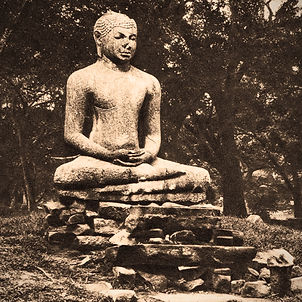
Yassalalaka Thissa, King of Anuradhapura
Illustration. 1929 Photogravure Sitting Buddha Statue Anuradhapura Ruins Public Domain
The forty-fourth monarch of the Vijayan Period (543 BCE - 66 CE), with a reign of 52 CE – 60 CE. The son of the Vijayan king, Ilanaga, Yassalalaka Thissa, seized the throne by the simple expedient of murdering his brother, Chandra Mukha Siva. In so doing, he set the stage for one of the most eccentric periods of island governance. With the ascension of the regicidal Yassalalaka Thissa, the last Vijayan chorus sounded, singing a story too bathetic to be encumbered by any inconvenient disbelief. The Mahāvaṃsa recounts the bizarre end of this once great dynasty in 60 CE. “Now, a son of Datta, the gate-watchman, named Subha, who was himself a gate-watchman, bore a close likeness to the king. And this palace-guard Subha did the king Yasalalaka, in jest, bedeck with the royal ornaments and place upon the throne and binding the guard's turban about his own head, and taking himself his place, staff in band, at the gate, he made merry over the ministers as they paid homage to Subha sitting on the throne. Thus was he wont to do, from time to time. Now, one day, the guard cried out to the king, who was laughing: `Why does this guard laugh in my presence?' And Subha, the guard, ordered to slay the king, and he himself reigned here six years under the name Subha Raja.” Despatched by his own lookalike, Yassalalaka Thissa, the last Vijayan king died, one hopes, seeing the unexpectedly funny side of assassination. The previous so-called Vijayan king, Subha Raja, was to be the most ironic of suppressed monarchical paradoxes: a genuine imposter.

Z, z

Zero Point, The
Illustration of Queen Street, Colombo, and the clock tower in the 1930s. Public Domain.
The distance from which all places to Colombo are measured is Colombo Fort’s Clock Tower, conveniently next door to both the Central Bank and the President’s Official Residence, so giving a better than even chance that all meetings held here have a greater likelihood of starting on time. Its completion owes much to one of those improbably terrifying Victorian women that the British Empire so often created. Whilst just over the Palk Straits in India, the British Raj was struggling to quell what it termed The Great Munity, here in Colombo, Lady Emily, the Governor’s wife, set about undeterred designing a clock tower to act as a lighthouse. Dents, the renowned English clockmakers, supplied the clock, having, five years earlier, added one to London’s Big Ben. Run on kerosene, Lady Emily’s beacon could be seen 17 km out at sea, offering anxious sea dogs a safe way into Colombo Port.